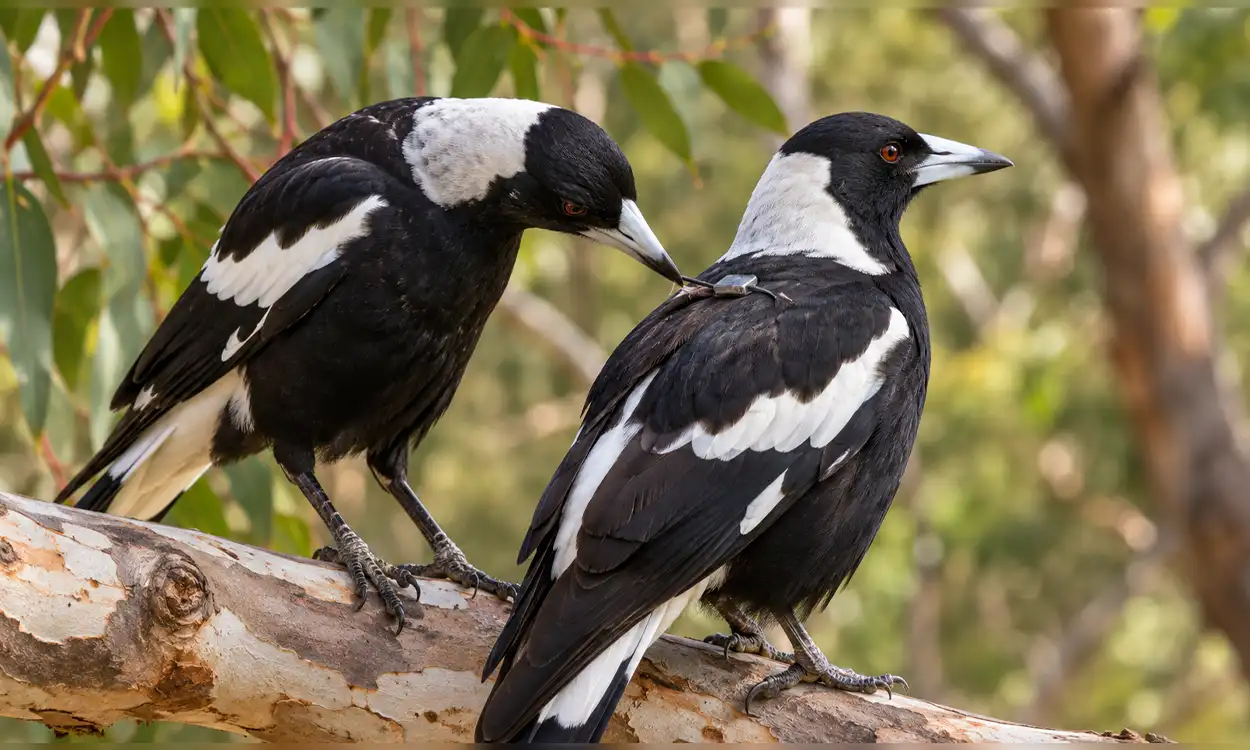
Scientists in Queensland, Australia, fitted five Australian magpies with GPS tracking devices in 2019, only to watch the birds cooperate almost immediately to pull them off, according to a study published in the journal Australian Field Ornithology.
Researchers from the University of the Sunshine Coast, led by Joel Crampton, Celine H. Frère and Dominique Potvin, recorded the first rescue attempts just 10 minutes after the devices were fitted.
How did the magpies free themselves from the trackers?
The team had trained a group of magpies to visit a feeding station before attaching the trackers. Each device included a weak point designed to release magnetically, so the birds would not need to be recaptured to remove it. Although the harness material had passed strict strength tests beforehand, it ultimately gave way under the birds' social behavior.
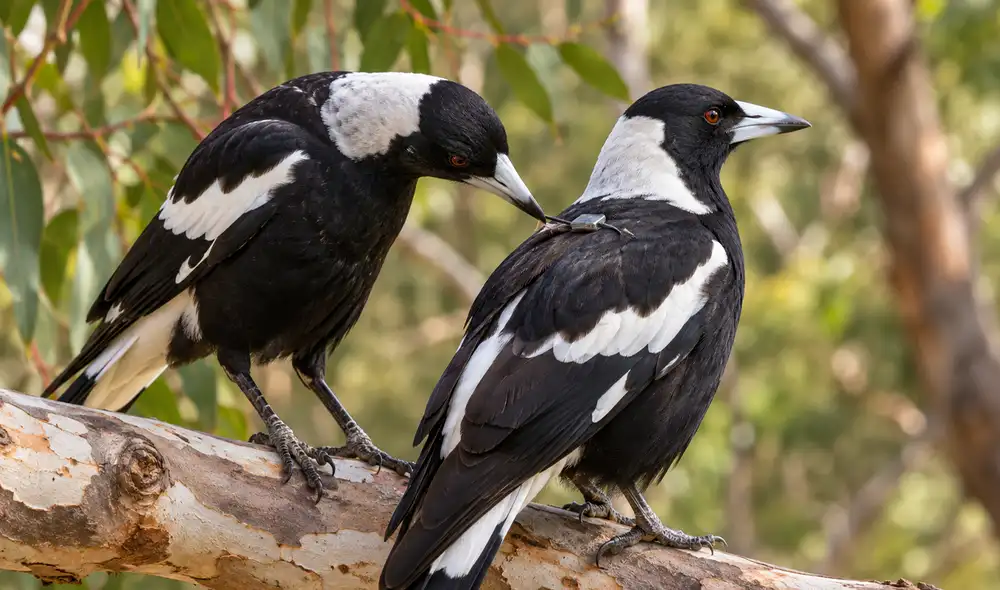
The study documented the group working together. After a juvenile bird's attempt failed, an adult female worked at different sections of the harness until she removed the first device in under 60 minutes. The effort was intense enough that two birds fell from a power line while attempting it, then continued the task on the branches of a nearby tree.
Potvin wrote in an article for The Conversation that most of the trackers disappeared within hours, and that by the third day even the dominant male had been freed of his device. She said the scientific community does not know whether the same birds removed all five transmitters or whether different individuals took turns helping.
Why do Australian magpies help each other out?
The researchers documented mutual assistance among the magpies to remove the tracking devices, support that was given even though the birds helping had nothing immediate to gain from it. Potvin said the team had not expected the birds to seek help from one another. Crampton said this record of one magpie removing a tracker from another had no known precedent in the species.
The Australian magpie, known scientifically as Gymnorhina tibicen, is common across much of Australia and is known for its complex, flute-like calls and sharp intelligence, including the ability to recognize individual human faces. Despite the name, it is not closely related to the magpies found in Europe. The birds live in territorial groups of between two and 12 members that work together to defend their habitat and raise young.
The researchers who led the study suggested the birds' behavior could amount to a form of rescue, an intervention aimed at freeing a relative or group member without any direct reward for the helper.
What scientists still do not know
The study did not pin down the exact motivation or method behind the behavior. The researchers are considering several possibilities, including that it was a grooming response triggered by the device acting like a simulated parasite, or a reaction to a companion's visible distress. It also remains unclear whether the removal process was systematic or simply driven by persistence.
The scientific team said further specific testing is needed to confirm the exact nature of the behavior.