An extract from blue turmeric, a rare spice known scientifically as Curcuma caesia, protects human joint cartilage cells from inflammation and structural damage, according to a study published in the journal Food & Function.
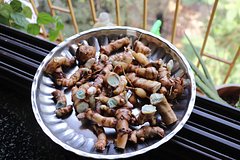
Researchers found that rhizomes from the plant are rich in polyphenols, including epicatechin and vanillic acid. In laboratory testing, approximately 58 percent of these antioxidant and anti-inflammatory compounds remained bioavailable following simulated digestion.
To evaluate its protective capabilities, scientists treated human joint cartilage cells with the extract after exposing them to interleukin-1β, a pro-inflammatory substance that plays a central role in the development of osteoarthritis. Cells pretreated with the blue turmeric extract demonstrated significantly less cell damage and maintained their normal structure.
Osteoarthritis is a common degenerative joint disorder characterized by the gradual breakdown of articular cartilage, the smooth tissue that cushions the ends of bones. Cartilage cells, known as chondrocytes, maintain this tissue, but inflammatory molecules such as interleukin-1β accelerate cartilage destruction, leading to pain and joint stiffness.
Polyphenols and cellular protection
The study revealed that the extract reduced the production of tumor necrosis factor-alpha, a key pro-inflammatory factor designated as TNF-α. Pretreatment also protected mitochondria, the energy-producing organelles within cells, with these protective benefits persisting even after artificial digestion of the extract.
Curcuma caesia is a perennial herb in the ginger family, Zingiberaceae, native to South and Southeast Asia. It is distinguished from common yellow turmeric by the deep blue or bluish-black color of its rhizomes. Polyphenols like epicatechin and vanillic acid are naturally occurring plant compounds widely documented in scientific literature for neutralizing oxidative stress and inhibiting inflammatory responses.
Mitochondrial impairment in chondrocytes is widely recognized in metabolic research as a major contributor to cartilage degeneration. By preserving mitochondrial integrity, protective agents help cells sustain energy production and resist breakdown caused by oxidative stress.
Human health prospects
The authors emphasized that the investigation was conducted exclusively on cell cultures, noting that it is too early to determine whether the extract provides therapeutic benefits for humans.
However, the researchers stated that the findings highlight blue turmeric as a promising candidate for functional food ingredients or future preventative treatments for osteoarthritis, following necessary testing in animal models and human clinical trials.
The findings build upon earlier scientific research demonstrating that active compounds extracted from turmeric species can influence programmed cell death in cancer cells.