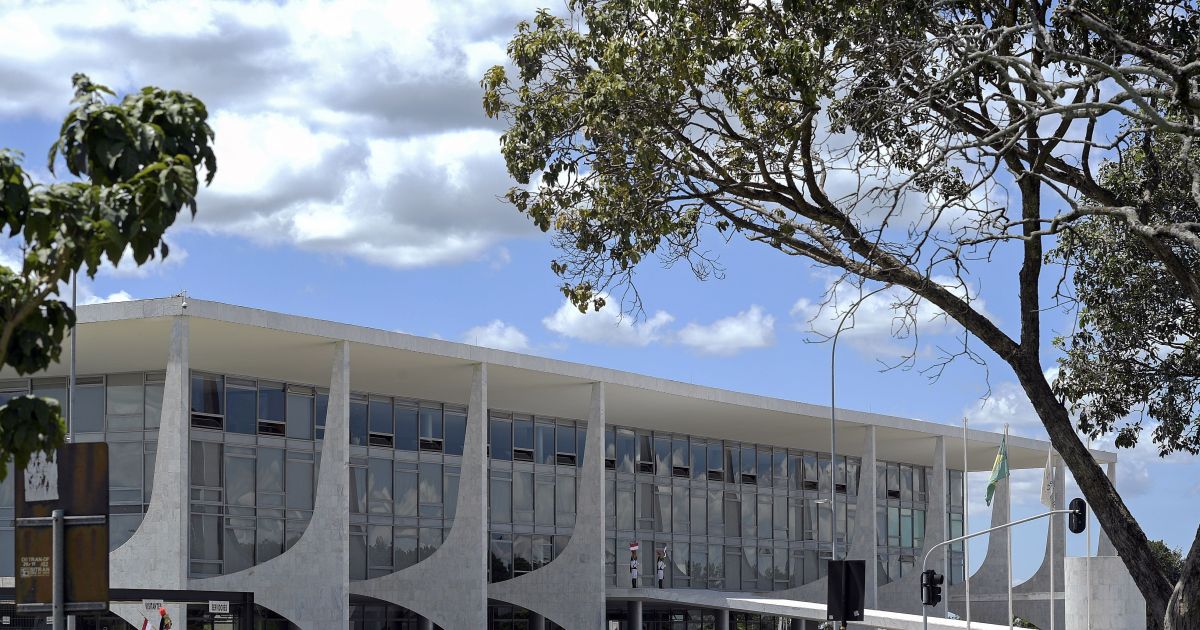
Brazil repudiated a decision by the United States on Tuesday to revoke the visa of its ambassador in Washington, Maria Luiza Ribeiro Viotti. In an official statement, the Palácio do Planalto said the move by the government of President Luiz Inácio Lula da Silva was part of a deliberate escalation of hostile measures motivated by ideological reasons.
The Brazilian presidency said the justifications presented by the United States were false and showed an undue interest in interfering in the next Brazilian presidential election. It added that Tuesday's decision was not an isolated incident, but an action incompatible with a bilateral partnership that had always been guided by mutual respect.
The US Department of State said it took the measure in response to an alleged delay by Brazilian authorities in granting diplomatic clearance, known as agrément, for Daniel Perez to assume leadership of the US embassy in Brazil. Brazilian diplomats told CNN that they viewed the decision as a form of blackmail by the Trump administration to force the approval of Perez.
Dispute over diplomatic clearance
The Brazilian government responded that the agrément process is confidential and that a nominee's name should only be made public after approval, in accordance with Article 4 of the Vienna Convention on Diplomatic Relations. It noted that the United States publicly announced Perez before submitting a formal request to Brazil.
Brazil stated that it strictly follows international law and that the Vienna Convention includes no deadline for granting agrément. The presidency said the US request regarding Perez remains under review.
Denied visas and election claims
The revocation of the diplomatic document for Ambassador Viotti came ten days after the Brazilian Ministry of Foreign Affairs, known as Itamaraty, denied entry visas to two US government officials. Reports published by the American newspaper The Washington Post revealed that Assistant Secretary for Democracy, Human Rights and Labor Riley Barnes and Deputy Assistant Secretary Samuel Samson planned to prepare an attack on the reliability of Brazil's voting machines and electoral system.
Both officials report directly to Secretary of State Marco Rubio, who is regarded as a key ally of the family of former President Jair Bolsonaro in Washington. Brazilian government sources privately assessed at the time that the planned visit aimed to reinforce a disinformation campaign against the national electronic voting system.
Ongoing sanctions and diplomatic stance
The Palácio do Planalto also recalled that individual sanctions against Brazilian officials remain in place, specifically US visa cancellations based on unfounded claims of political persecution against Bolsonaro. Those targeted by Washington include justices of the Supreme Court and top Executive branch officials.
The statement noted that the Brazilian government spared no effort to resolve differences, pointing out that President Lula personally requested President Donald Trump to lift the individual sanctions during a visit to Washington last May. In line with its diplomatic tradition, the Brazilian government stated that it opposes the logic of confrontation and reaffirmed its commitment to dialogue and negotiation in international relations.