

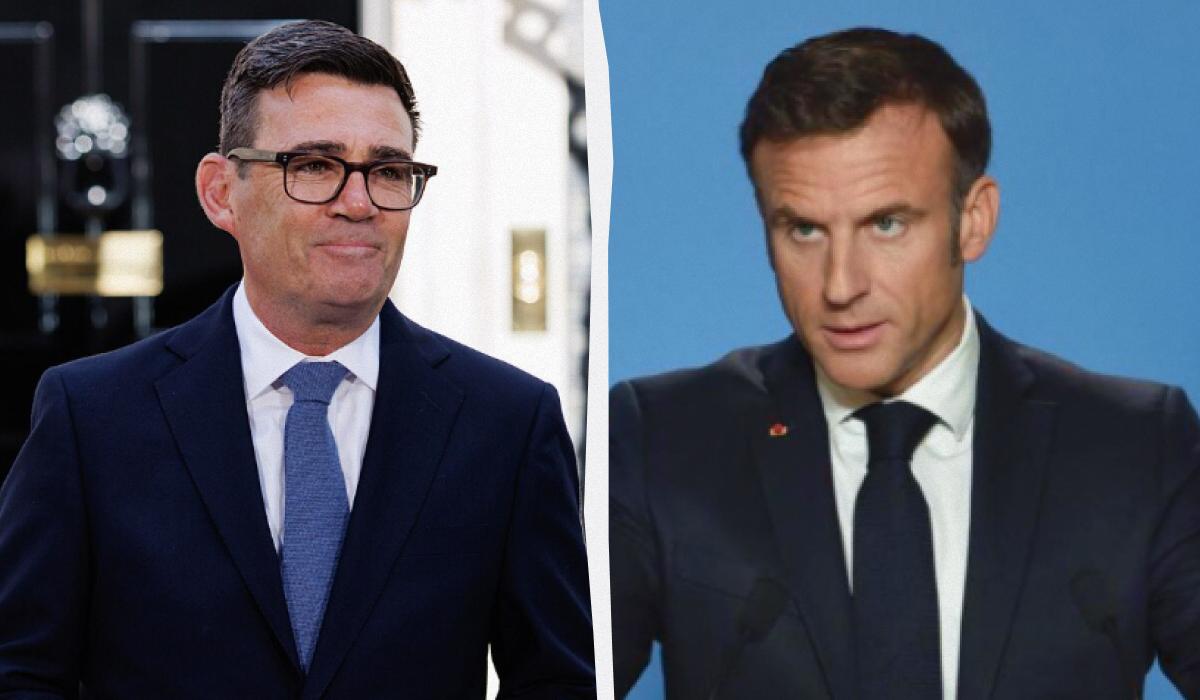
British Prime Minister Andy Burnham and French President Emmanuel Macron called for stronger sanctions against Russia's so-called shadow fleet at the opening of a Coalition of the Willing summit in Kyiv, according to a UNIAN correspondent.
Burnham said sanctions that cut Russia's military supply chains were needed to stop its missile launches. He said pressure had to intensify to speed up Vladimir Putin's realisation that he cannot win the war, adding that Russia was already struggling to fund its military budget.
Despite a sharp rise in oil prices, Russia's overall energy revenues have fallen and the country is running a record deficit, Burnham said, but more needed to be done to cut its exports of oil and liquefied natural gas.
Burnham said international partners needed to keep up coordinated action against the shadow fleet, a point already raised in Paris in June. He said allies should back the US Congress as it considers a bill from Senator Lindsey Graham and press Washington to increase economic pressure.
Macron backs tighter coordination
Macron, who joined the session online, also stressed the need for greater pressure on Russia. He said he could not put the case for intensifying the fight against the shadow fleet better than Burnham had, calling the approach effective.
Macron said joint sanctions and restrictive measures needed to double, with improved coordination between allies, while cautioning that any risk of escalation had to be avoided. He said defence and foreign ministers were already working on the issue, and he proposed convening a ministerial meeting dedicated to the shadow fleet within a few weeks to ensure action wherever possible.
What the 'shadow fleet' is
Russia's shadow fleet refers to a network of ageing tankers, often with obscured ownership, that Moscow uses to keep exporting oil while evading Western price caps and sanctions imposed over its invasion of Ukraine.
EU's next sanctions package
EU foreign policy chief Kaja Kallas has said the bloc is preparing its most extensive package of sanctions against Russia since the war began, expected to be adopted this autumn. She said it would expand the number of sanctioned Russian entities by a third, and that previous restrictions have already cost Russia's war machine more than 1 trillion euros.
The EU's 21st sanctions package was adopted on 23 July and freezes the price cap mechanism on Russian oil for 12 months.
Graham's Senate bill
Senator Lindsey Graham's bill on sanctions against Russia and Iran won Senate backing following the funeral of its author. Foreign Policy magazine has assessed the bill's strengths and weaknesses, noting it would enshrine sanctions against specific banks and companies in law and could align US restrictions on the shadow fleet with those of the EU and Britain.
Unlike earlier congressional sanctions laws, the restrictions are not mandatory and would be applied at the president's discretion. The bill's proposed secondary tariffs have also drawn opposition from Democrats in the House of Representatives.


