Spanish pediatrician Carlos González declared that giving a personal mobile phone to a child is as absurd as giving them a glass of whisky.
Speaking in an interview for the Aprendemos Juntos 2030 project, the medical expert argued that families should delay handing over personal devices until children reach 16 years of age. He recalled how society eventually established shared public boundaries for alcohol and tobacco consumption to protect minors.
González clarified that his provocative comparison was not meant as a literal toxicological equivalence, noting that smartphones do not produce physical organic damage like alcohol. Instead, he warned that a child who receives a phone gains constant access to notifications, digital purchases, strangers, and algorithmically engineered systems designed to prolong screen engagement.
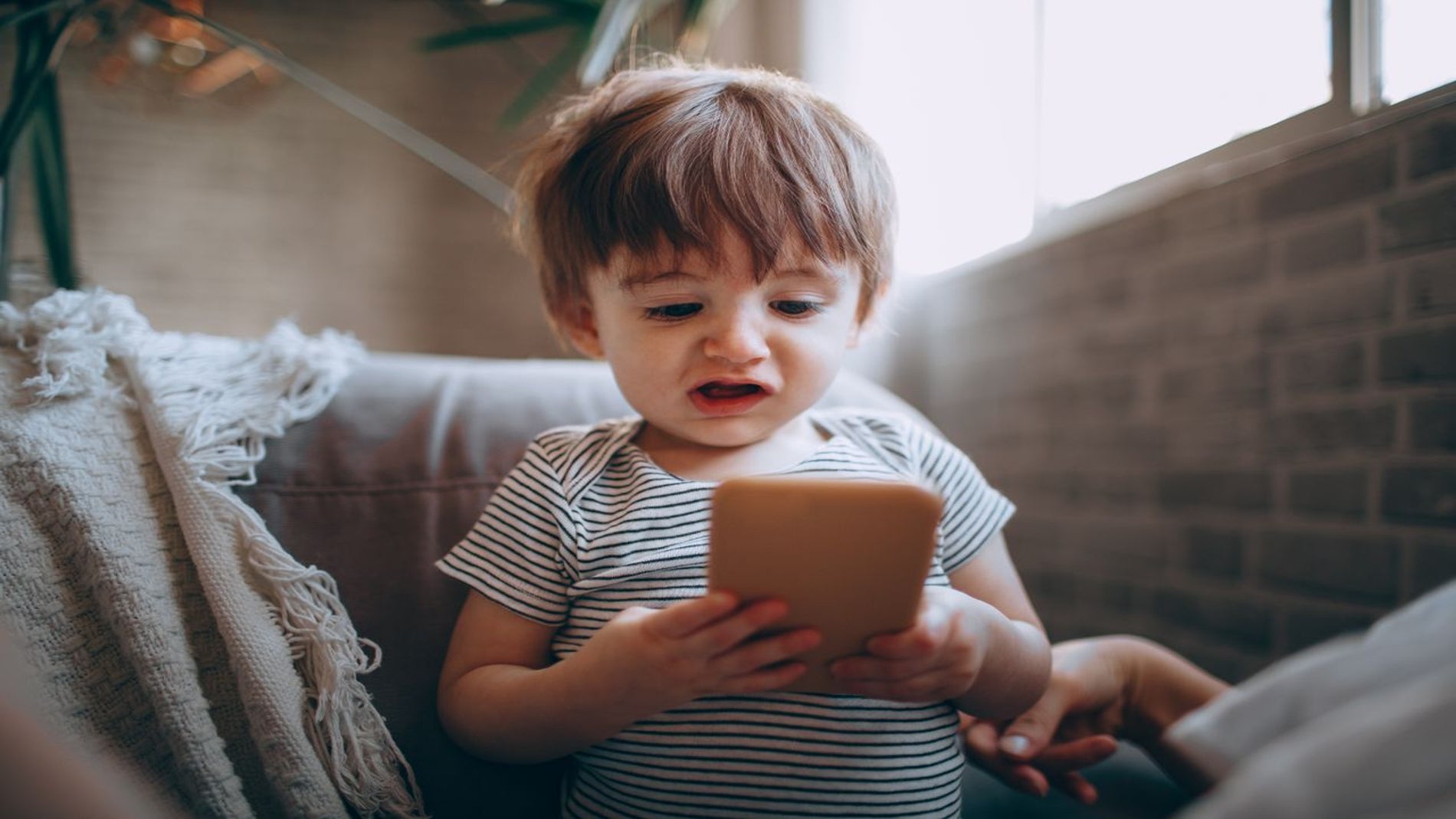
According to the pediatrician, the key question facing parents is not whether a child possesses the technical ability to navigate a digital touchscreen. Rather, it is whether the minor has attained sufficient emotional maturity and adult guidance to manage continuous connectivity safely.
Pediatric recommendations for screen time
The Spanish Association of Pediatrics has strengthened its advice on screen exposure, recommending zero hours of screen time for children between birth and six years of age. Medical experts from the association stated that no safe level of screen time exists during early childhood, reserving rare exceptions for brief, supervised video calls with family members.
For children aged six to 12, the medical body recommends restricting screen exposure to less than one hour daily, including both recreational use and school homework. For adolescents aged 12 and older, pediatricians advocate capping total daily screen time at under two hours. Health officials emphasized that these figures serve as general references rather than a strict stopwatch that automatically marks extra minutes as harmful.
The updated guidelines form part of a broader consensus document signed by pediatricians, neurologists, psychiatrists, and child psychologists. The health professionals highlighted essential factors including childhood sleep quality, neurological development, emotional self-regulation, and online safety when screen limits are neglected.
The guidance specifically cautions parents against using digital devices as an emotional pacifier to quiet childhood tantrums. Health experts stressed that learning to calm down is a critical developmental skill acquired through parental presence and practice, rather than simple distraction.
Differentiating device usage and family rules
Pediatric authorities emphasized that not all screen interactions carry equal impact. Supervised school work or a video call with grandparents serves a vastly different purpose than spending two hours consuming automated video feeds driven by algorithms. Similarly, using a shared family computer in a common living area differs significantly from possessing an unmonitored personal smartphone with internet access in a bedroom at night.
The medical group noted that no single chronological age guarantees responsible device usage. Before acquiring a personal device, parents are advised to assess why the child needs it, whether the minor takes care of personal belongings, adheres to household agreements, and knows how to request help when exposed to disturbing online material.
Health experts noted that delaying smartphone ownership becomes substantially easier when groups of families adopt shared criteria and arrange alternative communication channels for essential calls or messaging. Furthermore, the Spanish Association of Pediatrics advised parents to loan devices to children rather than gifting them outright at certain ages, ensuring ultimate ownership and responsibility remain with adults.
Establishing household boundaries and parental example
Clear rules should be established before turning on a new device for the first time. Recommended agreements include defining where the phone is charged overnight, which applications are permitted, who authorizes software installations and purchases, daily usage limits, and specific consequences for rule violations.
González underscored during the interview that parents must lead by example, noting the difficulty of enforcing phone-free meals while adults check text messages at the dinner table. Establishing a central device parking area outside bedrooms and setting a mandatory household shutdown hour helps turn digital boundaries into a collective family habit rather than a punishment aimed solely at children.
The pediatrician concluded that while his comparison was designed to provoke thought, practical management requires patience rather than drama. Parents should avoid rushing into device purchases, refrain from providing unrestricted internet access without a clear plan, and ensure children are not left unguided when encountering digital challenges.
Background on child health guidance
The Spanish Association of Pediatrics, known in Spain as the AEP, is the country's main professional organization for pediatric doctors and child health specialists. Dr. Carlos González is a prominent Spanish pediatrician and author widely known for his books and lectures on child development, parenting, and childhood health.