Farmer Carlos Porta, head of Carnes del Corral, said white or yellow chicken skin does not indicate meat quality, animal welfare, or farming type. At butcher counters, yellow skin often appears more rustic or flavorful, but Porta explained that visual appearance does not serve as a certificate of quality.
Reporter Esteban García Marcos reported on August 8, 2026, that skin tone is determined by diet, genetics, and how birds process pigments. Feeds containing corn supply carotenoids and xanthophylls that produce golden tones, whereas other grains result in a paler look. Porta noted that changing a bird's diet alters its color without making the meat better or worse.
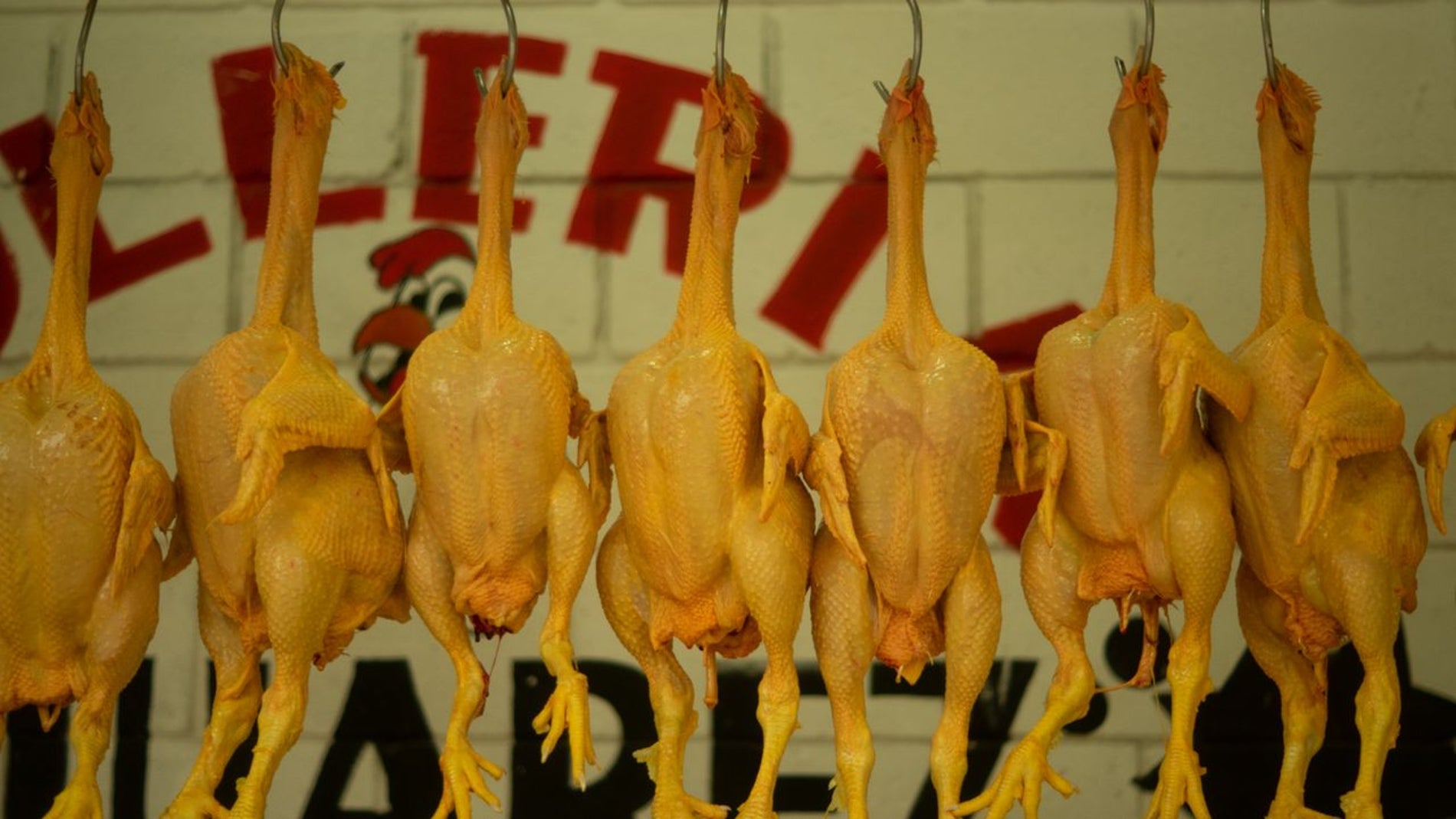
Factors behind chicken skin tone
In a social media reel, Porta explained that while corn provides yellow pigments, its presence alone does not prove that a bird was raised free-range outdoors. Genetics also affects how birds absorb and deposit pigment compounds, meaning two chickens fed identical diets can display different shades. Judging meat solely by sight oversimplifies a complex mix of feed, lineage, age, and farm management.
Seasonal weather and feed intake also alter color intensity. During high summer temperatures, some birds eat less, store less fat, and fix pigments differently, causing appearance to shift throughout the year without affecting food safety. Porta added that cooking methods, such as air cooking, and kitchen appliances, including ceramic fryers, cannot alter or correct the raw meat quality.
Growth speed represents another major factor in meat characteristics. Slow-growing birds typically reach slaughter at an older age, which can increase meat firmness and enhance flavor. Porta emphasized that age and growth data are far more useful than skin tone, but consumers must check product labels rather than relying on visual appearance.
Label details and kitchen safety
Food labels provide verifiable details including origin, date, storage conditions, and production systems. Buyers should check that packaging is intact and meat appears fresh, as traceability offers reliable data while yellow skin only reveals pigment absorption. Multifunction pots can then be selected to cook the meat once purchased.
At home, chicken must be kept refrigerated, with raw juices kept away from ready-to-eat foods. Surfaces and utensils require thorough washing after handling raw meat, and while a full dishwasher assists with hygiene, physical separation during food preparation remains necessary.
Smell, texture, and container condition provide crucial warnings of improper storage. If a package is swollen, expired, or subjected to a broken cold chain, skin color becomes irrelevant. Porta stressed that food safety requires objective indicators, proper refrigeration, and adherence to safe cooking times and temperatures. White or yellow, chicken should be selected based on verifiable facts and intended culinary use.