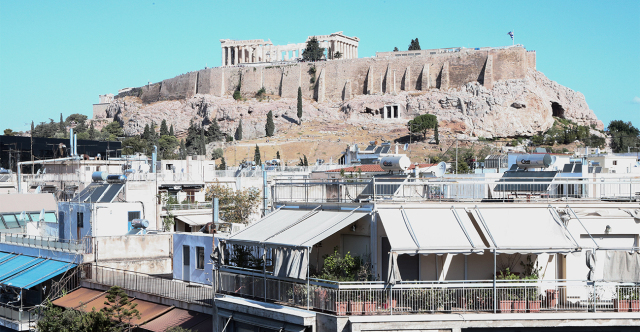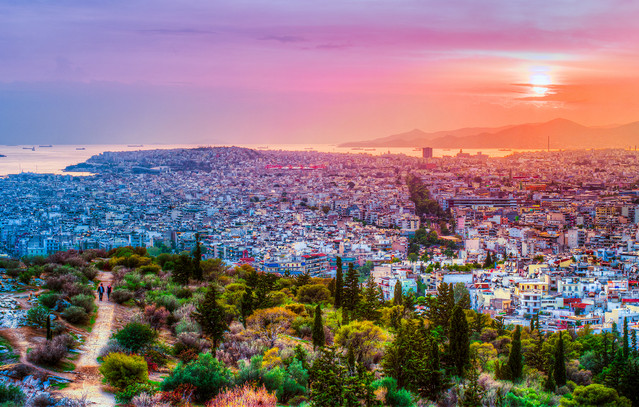
Neighborhoods in central and western Athens, including Patisia, Sepolia, Akadimia Platonos, Metaxourgeio, Kerameikos and Votanikos, are drawing growing interest from home buyers and investors this year, as prices in the city's southern and northern suburbs move beyond the reach of many buyers.
The areas are attracting different types of buyers, from young couples looking for a more affordable first home to Greek and foreign investors purchasing older apartments to renovate and let out. Their main draw is that prices remain noticeably lower than in Athens's most expensive areas, despite significant increases in recent years.
According to a market report by Engel & Völkers Greece, average sale prices in Omonoia, Kerameikos, Metaxourgeio, Votanikos, Akadimia Platonos, Sepolia and Agios Panteleimonas range between €1,200 and €2,500 per square metre. In Kato Patisia, the range starts at around €950 and reaches €1,800 per square metre or higher. The spread is far wider in Ano Patisia, where prices run from €400 to €2,500 per square metre depending on the condition and features of the property. Newly built homes in Ano Patisia are a different story, with average prices of €3,200 to €4,500 per square metre.
Areas betting on urban regeneration
The Kerameikos, Metaxourgeio and Votanikos axis is drawing particular attention. The Double Regeneration project and the construction of Panathinaikos's new stadium, together with new green spaces and metro access, have raised expectations of a broader upgrade of the wider area.
This has already mobilised different types of investors. Developers and institutional portfolios are seeking out whole buildings, old workshops and plots of land with a view to creating loft-style housing, serviced apartments or modern office complexes.
In Metaxourgeio, Avdi Square has become one of the area's main hubs, attracting digital nomads and people seeking a more urban lifestyle, with restaurants and entertainment venues nearby.
Akadimia Platonos is following a different path. The planned regeneration of its park and the creation of a museum are boosting expectations for the area, which still retains strong features of a traditional Athenian neighborhood. Older single-family homes with postwar architectural elements are also drawing both investment and artistic interest.
What investors are buying
A different investment model dominates in Patisia, Kypseli, Plateia Amerikis and Agios Panteleimonas. Greek and foreign buyers there are mainly looking for small apartments of 30 to 60 square metres, usually on the first to third floors of apartment blocks built between 1960 and 1980.
The lower purchase price leaves room for renovation and subsequent rental to students, young professionals or digital nomads, a model often described as buy old, renovate, rent, which has taken a significant hold in several central areas.
Build-to-rent activity is moving in the same direction, with older apartments bought and converted into modern small homes or student housing, particularly in Patisia and Plateia Amerikis.
Where young couples are searching
Sepolia, Akadimia Platonos and Ano Patisia feature more prominently in searches from people looking to buy a home to live in themselves. Young couples are mainly turning to homes of 70 to 95 square metres, either newly built or fully renovated, with a lift and parking space high on their list of requirements.
The choice of these areas is not accidental. Prices remain lower than in many parts of the northern and southern suburbs, metro access is available, and the areas largely retain a sense of neighborhood community.
In Sepolia, the Skouze Hill area draws interest from local buyers because of its quiet setting and views, while in Ano Patisia the Agios Andreas area is one of the main choices for middle-class households.
Ageing housing stock from the 1960s and 1970s
The age of the properties in these areas is both their biggest drawback and their investment opportunity. Around 70 to 80 percent of the housing stock consists of apartment blocks built during the 1960s and 1970s, meaning low energy efficiency for a large number of homes, but also a sizeable market for renovations.
Demand is increasingly shifting toward homes that have already been upgraded for energy efficiency, or that can be bought at a lower price and then renovated. The picture is different in Kerameikos, Metaxourgeio and Votanikos, where old workshop and commercial properties are gradually changing use and being converted into housing or other modern developments.
Airbnb rules and Golden Visa changes
New restrictions on short-term rentals are also reshaping the market. Some owners and investors are shifting from Airbnb toward longer-term leases, particularly in Kerameikos and Metaxourgeio, aimed mainly at digital nomads and business executives who need furnished housing for a few months.
At the same time, changes to the Golden Visa scheme have shifted foreign buyers' interest toward specific categories of property. With the basic investment threshold for central Athens raised to €800,000, greater interest is now shown in cases where the lower €250,000 threshold still applies, such as listed buildings awaiting restoration or properties being converted from commercial to residential use.
As a result, a large part of Athens that until a few years ago ranked lower among buyers' and investors' choices is gradually gaining a different momentum. The open question is whether the regeneration projects and private investment will translate into a genuine upgrade of these neighborhoods, without prices following the trajectory that has already made buying a home prohibitive in other parts of Attica.