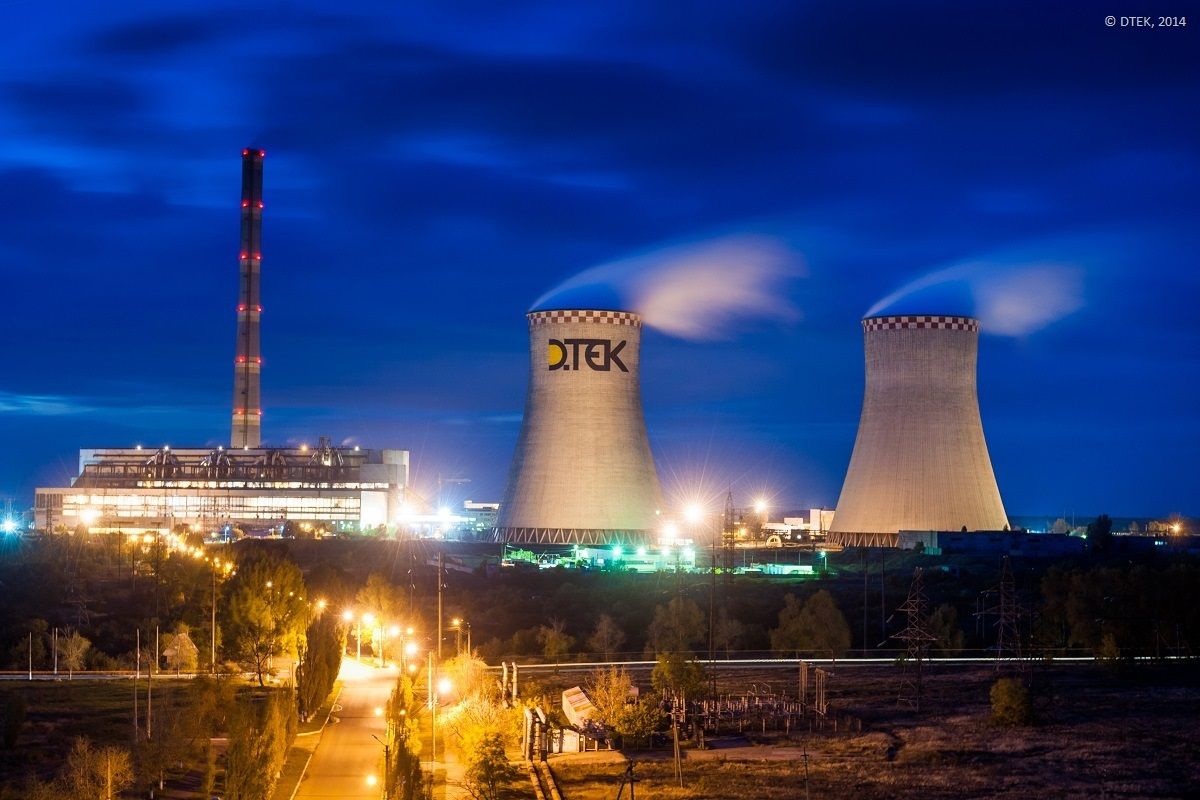
China has built a strategy to hedge against the European Union's push for definitive tariffs on Chinese electric vehicles, according to a report examining Beijing's approach as Brussels' trade authorities race against a legal deadline set for October. Rather than treating the EU as a single economic bloc, Beijing is exploiting the fiscal differences and regulatory divergences between individual member states.
The border crisis in Ceuta has acted as a catalyst for this strategy. The crisis led Italy to suspend the free movement of goods and people with Madrid, isolating the Spanish economy from twenty-two other European capitals. When the single market shows a structural vulnerability of this scale at its southern borders, Asian foreign direct investment moves in to consolidate positions across the continent's industrial base.
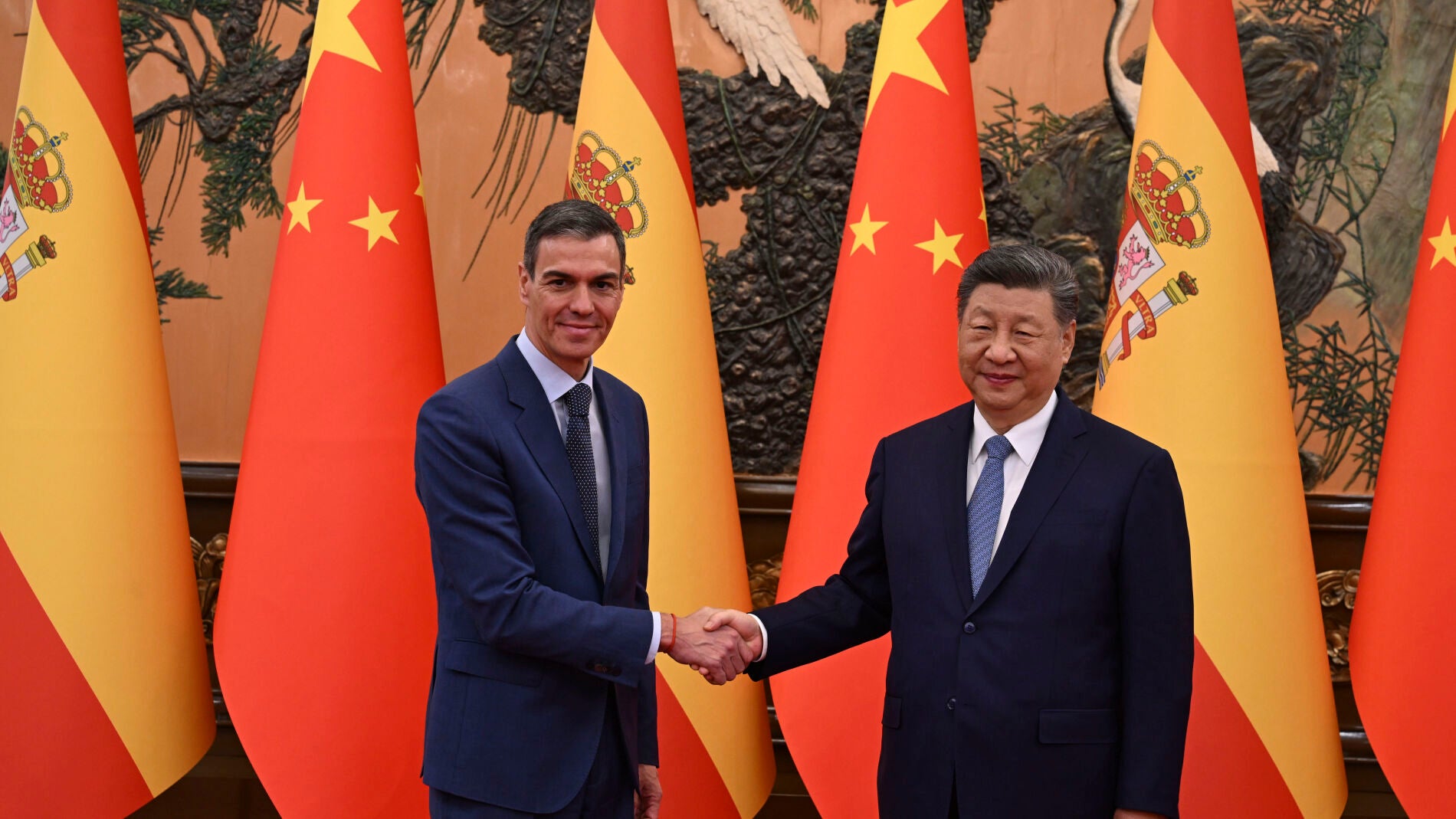
Spain has positioned itself as the most pragmatic partner in this dynamic. Driven by the need to secure its agrifood exports and attract capital to finance its energy transition, Prime Minister Pedro Sánchez has avoided aligning with the European Commission's more restrictive stance, having held four summits with Chinese leadership in Beijing. By fracturing the unified trade front Brussels has tried to build, Asian capital has elevated Spain to the status of preferred partner.
Beijing's response through state media
China's state media apparatus, through the Global Times, has described Brussels' tariff protectionism as a macroeconomic miscalculation. Its editorials attribute Europe's tensions to a persistent trade imbalance, a loss of international competitiveness and the risk of accelerated deindustrialisation, while warning that blaming outside actors and starting a trade war reflects a flawed diagnosis that threatens the continent's economic stability.
The Global Times ties the imbalance to a widening statistical gap between EU imports and exports. Squeezed by US trade barriers and a chronic energy deficit, the bloc is projected to shift in the 2026 fiscal year from a trade surplus to a deficit. The paper argues the imbalance stems not from Asia but from falling European productivity, driven by high energy costs, stalled labour reforms and rising military spending.
The political cost of reform
According to the outlet, European leaders, constrained by short-term political cycles, avoid the electoral cost of structural adjustment by externalising blame and redirecting social pressure toward a foreign competitor, making China the central target. The paper defends the regulatory compliance of Chinese firms and accuses European lawmakers of using global market asymmetries to construct the image of a systemic rival, a narrative it says is designed to distract investors from the impact of US protectionism and instability in the Middle East.
The media campaign closes with a warning about Europe's lack of internal cohesion and its limited capacity to sustain a tariff conflict. The report notes that major European economies remain structurally dependent on China for technology, manufacturing supply chains and critical raw materials, making a rapid search for alternative markets unrealistic. It adds that if Brussels approves restrictive measures against its largest supplier, which accounts for 23.1% of EU imports, it should expect proportional retaliation, and that coercive tariffs would replicate Washington's trade doctrine, breach free-trade agreements and underestimate Beijing's financial strength.
What analysts say
Sari Arho Havren, a researcher at the Royal United Services Institute, said the Ceuta crisis functions as a financial stress test, gauging the EU's real willingness to mutualise peripheral liabilities ahead of a looming tariff shock. She noted that in the face of asymmetric shocks, European partners tend to isolate the affected state both fiscally and politically.
Alicia García Herrero, chief Asia-Pacific economist at Natixis, said China is delighted with a scenario that could fracture the European axis before October, adding that the polarisation weakens the European Commission's deterrent power and undermines the institutional and multilateral consensus Brussels needs to present at the World Trade Organization.
Morocco as a route into Europe
The strategy extends beyond direct investment in Spain. North Africa is now being used as a platform for accessing the European market. Over three fiscal years, Morocco has attracted around 6 billion euros in Asian funds to lead the region's electric mobility sector. Gotion High-Tech is building the continent's first gigafactory in Kenitra, while firms including BTR and Hailiang produce high-value components from the Tanger Med free zone.
The aim is to bypass tariff barriers. Rabat holds a free trade agreement with the EU, so goods assembled on Moroccan soil gain local origin status and enter the single market without duties. García Herrero said China is protecting Morocco's interests as much as Spain's, and dismissed the idea that the border collapse was purely an external event, arguing an operation of that scale requires Morocco's operational consent regardless of the involvement of third parties such as the United States.
Spain's divergence from Brussels
Spain's government has become an anomaly in Europe's foreign policy toward Asia, driven by its border management and its regulatory framework for renewable energy. Through annual trade missions to Beijing, it has secured major investment, from the Stellantis-CATL plant in Zaragoza to a 1 billion euro injection from Envision in Valladolid.
While France has pushed for strict antidumping measures and Germany has acted as a swing state, wary of its car industry losing market share in China, Spain has promoted Beijing as an indispensable trade partner. When Brussels voted on tariffs for electric vehicles, the Spanish government switched from initial support to a strategic abstention. Faced with China's threat of tariffs on the Spanish pork sector, Madrid moved to shield its agrifood exports, pushing the EU's joint industrial strategy into the background.
Brussels seeks unity
European Commission technical teams are trying to persuade member states to hold together, proposing a financial solidarity mechanism to compensate companies hit by retaliation. But the fallout from the Ceuta crisis has undermined prospects for institutional consensus.
García Herrero said the data suggests China's fragmentation strategy will dismantle what remains of EU cohesion in the European Council, blocking the qualified majority needed to respond to Chinese dumping. She said internal division is Beijing's chief asset, with national governments, under pressure to show short-term economic results, giving up European strategic autonomy and competing against each other to attract Asian capital and supply chains.