Film critic James Mottram has authored a comprehensive behind-the-scenes book detailing the production of director Christopher Nolan's epic feature film The Odyssey.
The 280-page volume, released in Spanish by Norma Editorial under the title El rodaje de La Odisea: La creación de la epopeya moderna de Christopher Nolan, provides an extensive account of the blockbuster project. The original English edition, titled Filming The Odyssey: Inside the Making of Christopher Nolan's Modern Epic, is filled with production photographs and images of the global locations where the movie was filmed.
The publication highlights a high-profile ensemble cast featuring Matt Damon, Anne Hathaway, Tom Holland, Robert Pattinson, Zendaya, and Charlize Theron. Author James Mottram, a veteran film journalist who has previously written behind-the-scenes books for major movies such as Memento, Jurassic Park, and Tenet, examines the scriptwriting and adaptation process that converted Homer's ancient tale into a feature film running nearly three hours.
Adapting Homer for IMAX cameras
The book details how Nolan adapted the classic Greek poem attributed to Homer, which follows the hero Odysseus on his arduous journey back to the island of Ithaca following the fall of Troy. The film made history as the first feature shot entirely using IMAX cameras. The uncompressed original format offers a unique visual experience that can only be fully appreciated in approximately 40 specialized theaters worldwide.
Operating entirely with IMAX technology introduced severe physical constraints during filming. The camera format accommodates only two and a half minutes of film per roll, forcing constant production halts that threatened to disrupt the actors' concentration and break the dramatic pacing of individual takes.
Nolan told Mottram that he decided to undertake the adaptation in 2023, shortly after the critical and commercial success of his Oscar-winning biographical drama Oppenheimer. The director explained that his cumulative experience in managing large-scale cinematic projects, combined with recent technical developments, convinced him that it was the right time to tackle the ancient story entirely on IMAX film.
Global filming locations and set challenges
Actor Matt Damon contributed a foreword to the volume, describing the project as the most challenging film shoot he had ever experienced. Damon noted that every single location selected for the movie could easily have ranked as the most difficult location on any other production of his career. He added that while every daily shoot presented extreme difficulties, the fact that the entire cast and crew endured the same hardship created a unifying experience across the production.
Principal photography began on February 17, 2025, on the beach of Dasoudi in Essaouira, Morocco. The opening sequence filmed there depicts Trojan forces discovering a giant wooden horse left semi-buried in the sand by Greek soldiers who pretended to retreat. According to the book, the visual design of the scene drew direct inspiration from the iconic ruined Statue of Liberty featured in the 1968 film Planet of the Apes.
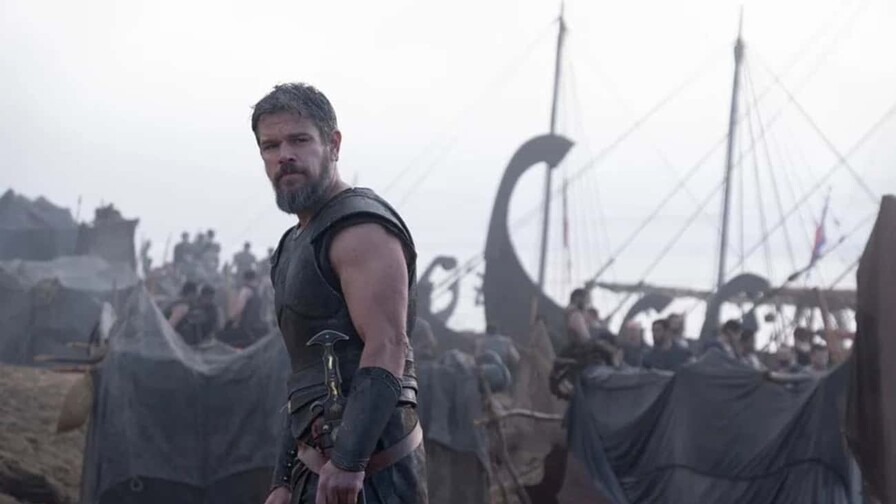
Following the Moroccan shoot, production moved to soundstages in Los Angeles before continuing across Iceland, Sicily, Greece, Malta, and Scotland. Transporting equipment and set pieces across multiple international destinations caused significant wear and tear, with the book noting that the vessels built specifically for the maritime scenes arrived at their destinations severely battered.
Visual effects and box office milestones
The book also documents the practical visual effects created to bring Odysseus's mythological encounters to the screen. Highlights include a ten-meter physical puppet constructed by the technical team to portray the mythical Cyclops Polyphemus.
Mottram compiled the material by conducting extensive interviews with Nolan alongside key cast members and members of the technical and artistic crews. The release of the book follows the film's landmark theatrical run, during which it became the highest-grossing R-rated movie in cinematic history.