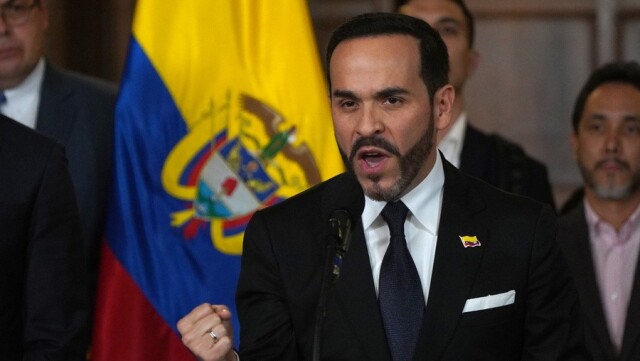
Colombian President Abelardo de la Espriella has ordered migration authorities and police to launch coordinated operations this week to deport foreigners living in the country without documentation.
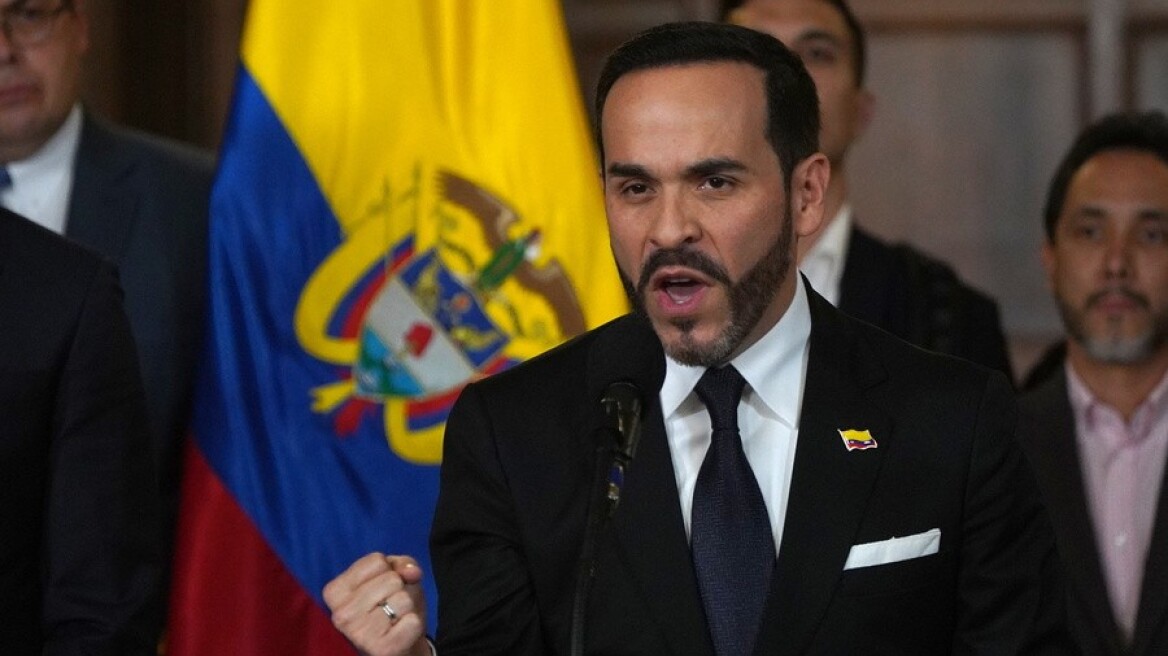
De la Espriella, who belongs to Colombia's hard-right, took office on August 7 with a program focused on cracking down on organized crime, drug trafficking and other forms of lawlessness. He was forced to suspend that agenda just three days later after a powerful earthquake struck, leaving more than 300 people dead and destroying thousands of properties in the western part of the country.
Order Given at Security Meeting
Illegal immigration had not been a major theme of his election campaign. But footage from a meeting of his government's security council in Barranquilla on Sunday showed him instructing authorities to prioritize identifying and arresting migrants who have committed crimes.
De la Espriella said the order given to migration services was clear, speaking from the Caribbean city he calls home and where he has set up an alternative seat of the presidency to Bogota. He said the priority was first those committing crimes, and second those not legally in the country, who he said must be deported.
Venezuela's Migration Crisis
Over the past two decades, Colombia has been the leading destination for Venezuelans fleeing their country's economic and political crisis. According to Colombia's migration agency, 2.8 million Venezuelan migrants were living in the country as of June 2025. Of those, more than 527,000 lacked residency permits.
Right-wing leaders in Colombia have historically shown tolerance toward Venezuelan migrants, arguing they were victims of the policies pursued by socialist former president Nicolas Maduro and his predecessor, Hugo Chavez.
Echoes of Trump's 'America First'
De la Espriella struck a different tone, in remarks that directly echoed the "America First" doctrine of Republican U.S. President Donald Trump, of whom he is a self-described admirer and ally. He said he does not accept illegal immigration.
He said the priority was Colombians first, then Colombians, then Colombians again, so that everyone understood. He called for migrants to be deported, describing it as a presidential executive decree that must be enforced starting this week, and said he does not accept illegal migrants regardless of where they came from. He added that it was both a political decision and an administrative decision, and that he was making it.
A Country of Emigration
Colombia has been the setting of an internal armed conflict lasting more than six decades and has no strong tradition of welcoming migrants. It has more often been a country people left, driven out by poverty and violence, with many emigrating to the United States and Spain.