Cooked meals left at room temperature during summer heat must be placed in the refrigerator within one hour to prevent bacterial contamination, according to Spanish food safety guidelines.
Food technologist and dietitian-nutritionist Beatriz Robles warned that when ambient temperatures rise above 30 degrees Celsius, the standard two-hour cooling window drops to just 60 minutes. Robles emphasized that one hour serves as a strict maximum limit to avoid health scares, adding that food left out beyond this window should be thrown away rather than saved for later consumption.
The warning aligns with official guidelines established by the Spanish Food Safety and Nutrition Agency, known as AESAN. While Robles originally highlighted the advice in a video for Spanish radio network Cadena SER in May 2024, the guidance has taken on renewed urgency following several consecutive days of extreme summer heatwaves across Spain.
Bacterial growth in warm temperatures
Although cooking destroys many harmful microorganisms, food can easily become recontaminated during preparation, handling, or contact with kitchen utensils and surfaces. Once exposed, warm room temperatures create an ideal environment for remaining or introduced bacteria to multiply rapidly.
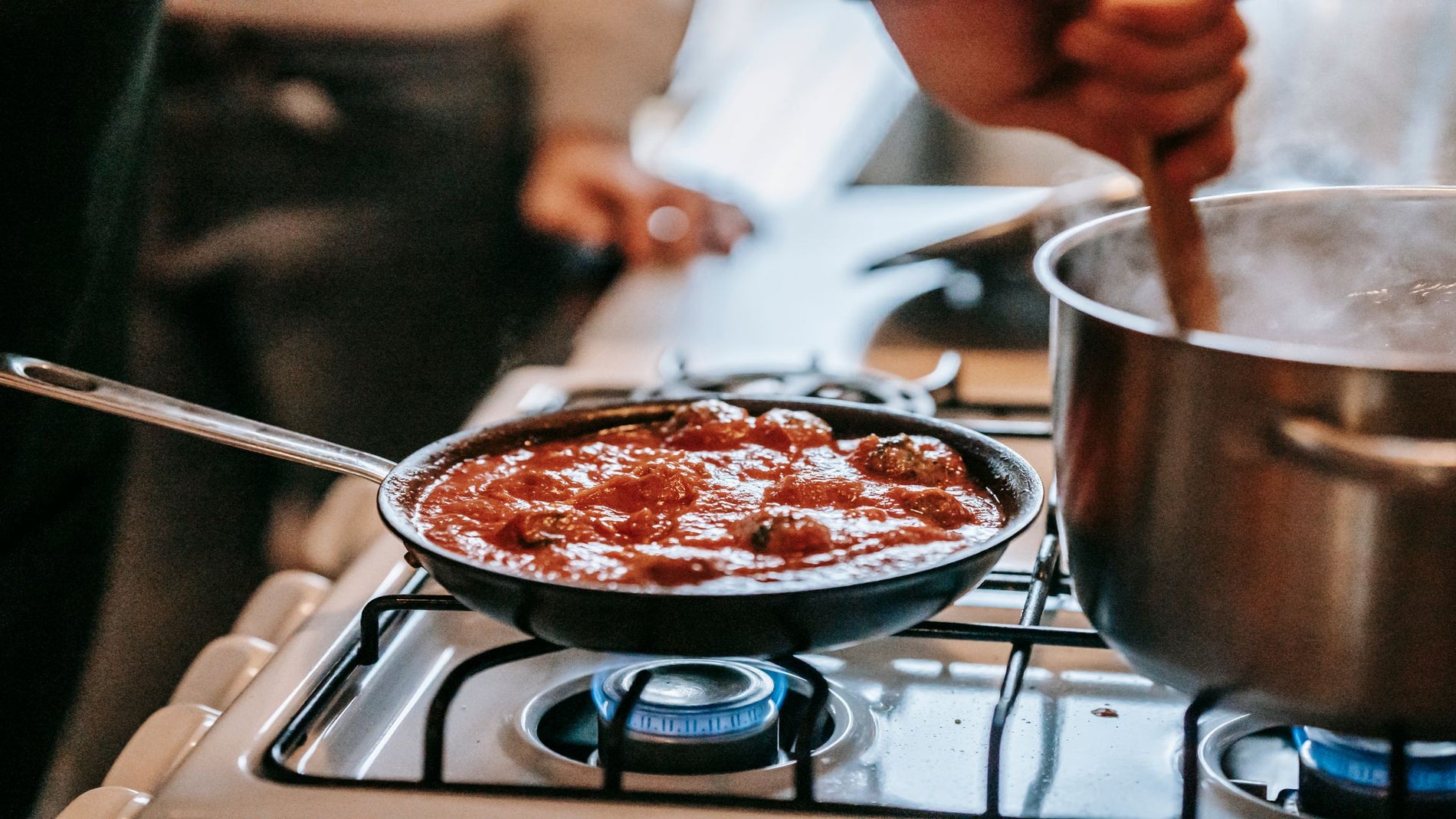
Robles explained that the countdown for refrigeration does not start when a family finishes eating or clearing the table. Instead, the one-hour timer begins the moment a dish is removed from the stove or stops receiving active heat.
According to the Scientific Committee of AESAN, prepared dishes held continuously at or above 63 degrees Celsius are considered safely preserved under hot holding conditions. However, as soon as a meal begins to cool down for storage, prompt refrigeration is required.
This strict timing applies to all cooked dishes, including Spanish potato omelets, meat and vegetable stews, rice, pasta, cooked meats, fish, and cold salads such as ensaladilla. Experts stress that perishable items cannot be judged safe by appearance alone, as smell and taste fail to reveal many dangerous pathogens capable of causing foodborne illness.
Safe cooling methods for hot dishes
Placing a large, steaming pot directly into a refrigerator presents technical challenges, as it can raise the internal temperature of the appliance and cause the center of the food to cool too slowly. However, leaving the pot on the kitchen counter for hours to cool down is an unsafe practice.
To resolve this, AESAN recommends dividing large cooked quantities into smaller, shallow containers. Shallower portions lose heat much faster, allowing the food to stop emitting intense heat so it can be safely transferred to the refrigerator without waiting for it to reach room temperature.
Following this technique dismantles the common household myth that cooked food must sit out all afternoon before refrigeration. AESAN notes that the technical goal is to bring prepared food down to 4 degrees Celsius within approximately two and a half hours, maintaining it at or below that level thereafter.
To prevent cross-contamination inside the refrigerator, cooked items should always be stored in sealed containers and kept strictly separate from raw ingredients.
Food safety during outdoor dining and transport
The one-hour refrigeration limit becomes particularly critical when transporting food to the beach, hosting outdoor picnics, or carrying food containers inside warm vehicles. A sealed bag without cooling elements does not function as a refrigerator and will not protect perishable items.
Safe transport requires a portable cooler or insulated bag equipped with sufficient ice packs, kept shaded from direct sunlight and opened as infrequently as possible. If food is maintained in a verified cold state, the travel time does not count toward the one-hour room temperature limit.
However, once the cold chain is broken on an outdoor terrace or eating area above 30 degrees Celsius, the single hour must cover total travel, waiting, and dining time combined.
Rapid chilling cannot reverse poor hygienic handling or keep food safe indefinitely, but it cuts off key conditions that favor microbial growth. During hot weather, food safety experts advise keeping a mental record of the exact time cooking ended, calling it a far more reliable safety measure than waiting for food to show visible signs of spoilage.