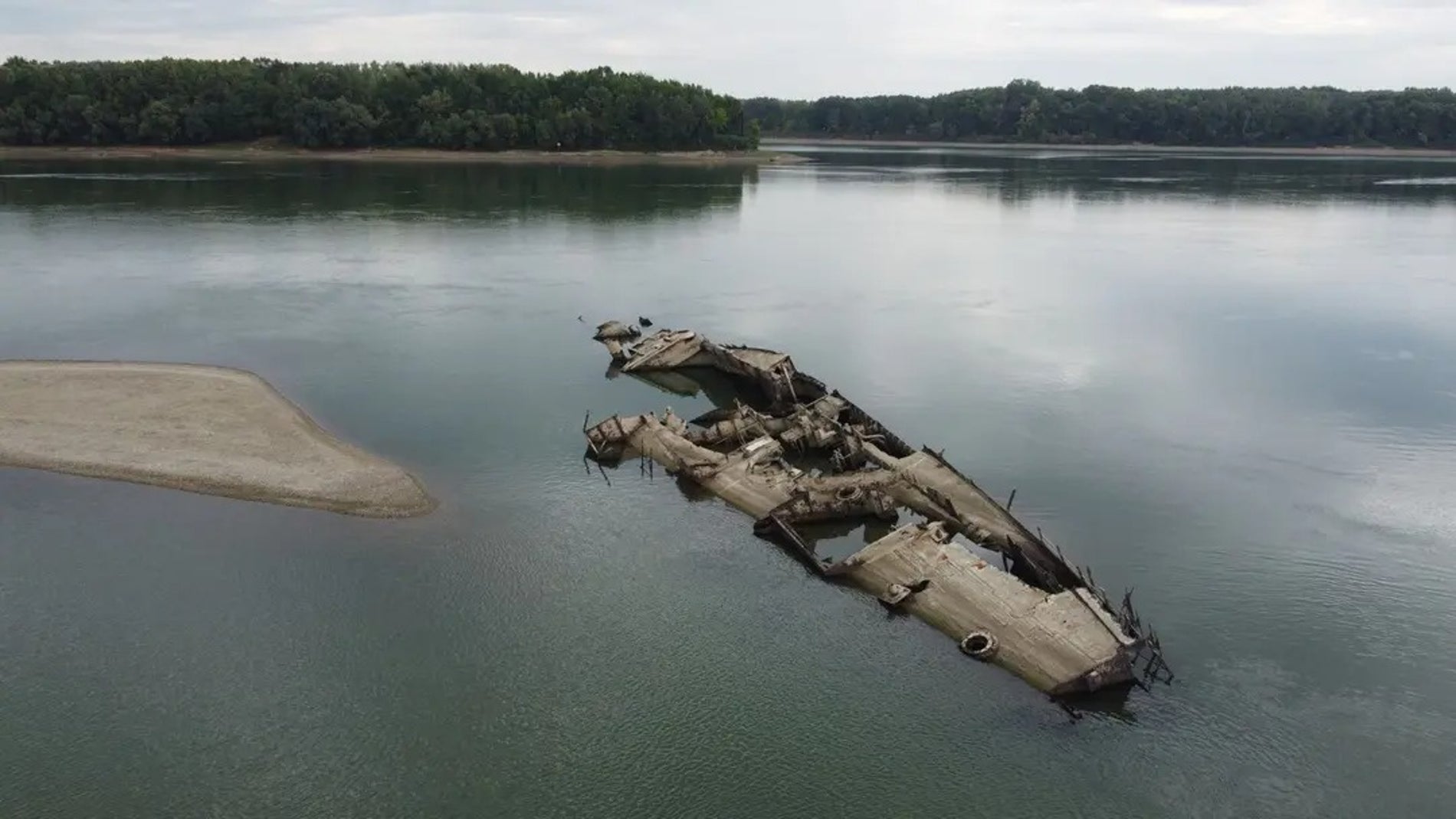
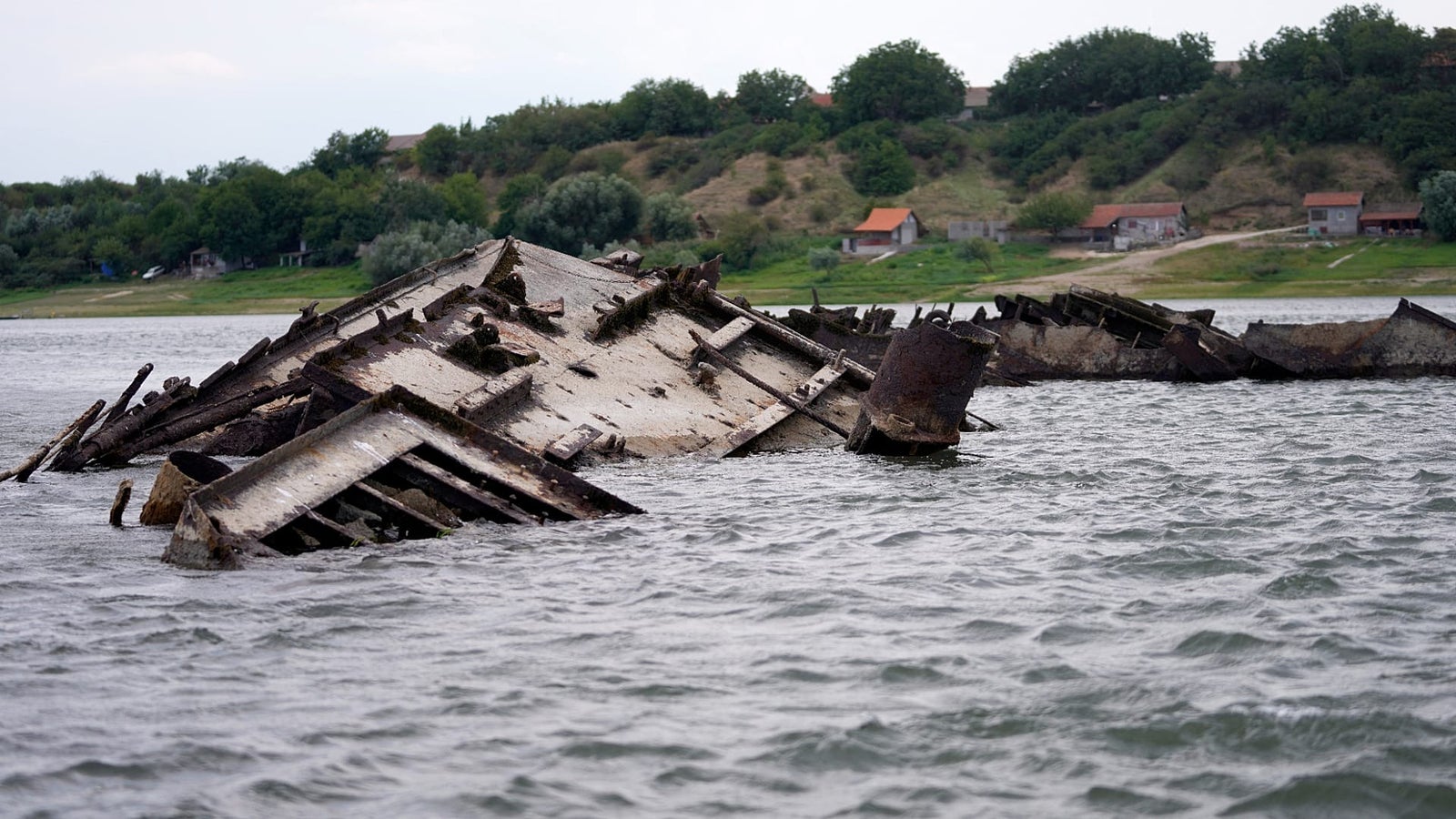
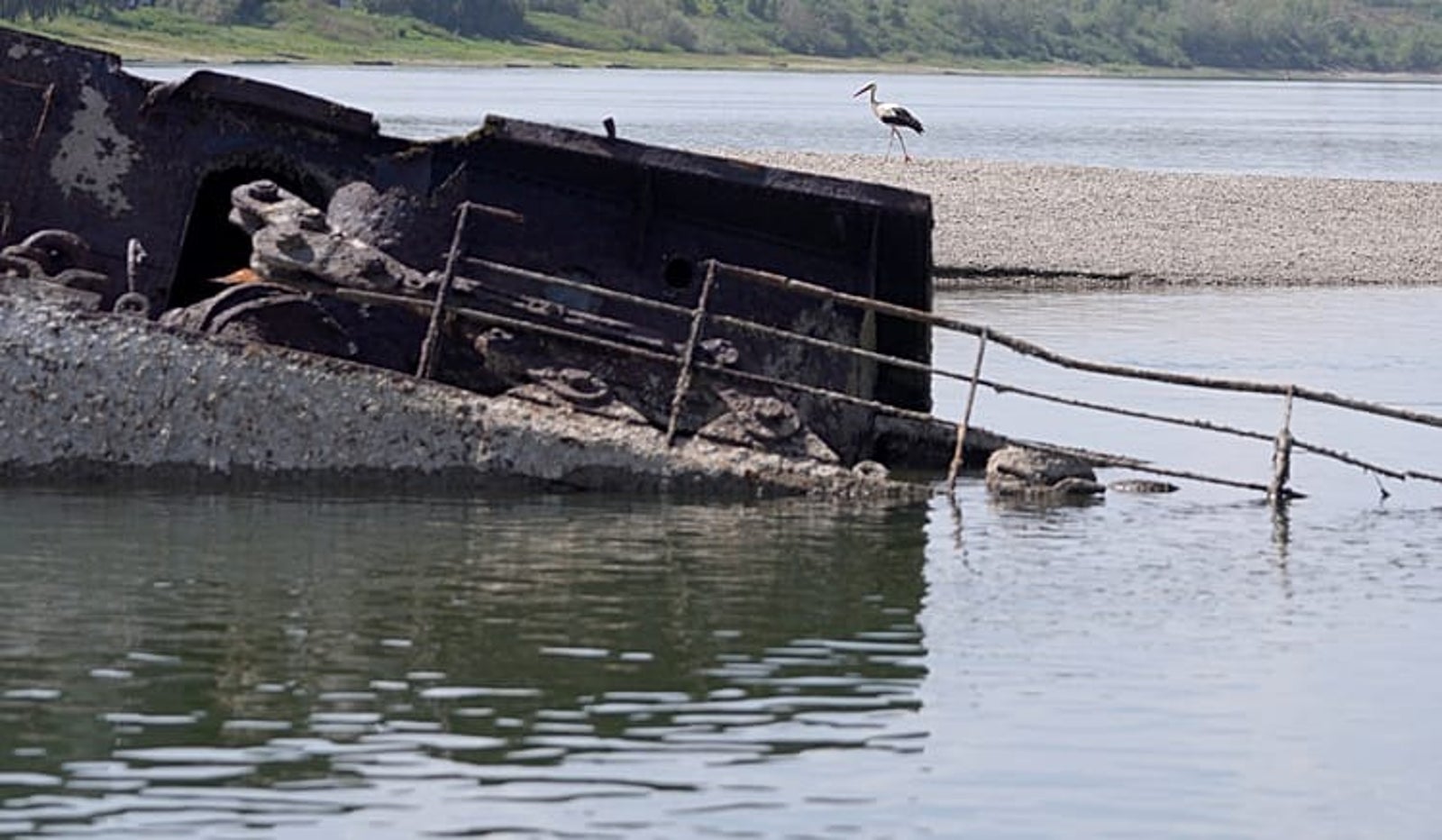
A severe drought along the Danube River has exposed more than 200 German military ships sunk during World War II near the Serbian city of Prahovo. The dramatic drop in water levels across one of central-eastern Europe's most important waterways has revealed the scuttled fleet after more than 80 years underwater.
The emergence of the sunken ships was reported by Interesting Engineering, following initial coverage by Euronews. A lack of rainfall and an uncontrollable decline in river flow have exposed a massive underwater graveyard of rusting warships, drawing renewed attention to an environmental dilemma inherited from the war.
German Retreat and Danube Blockade
In late 1944, as the Nazi military retreated from the region, German forces deliberately scuttled vessels, burned military vehicles, and destroyed critical infrastructure across the European continent. German troops carried out the destruction before laying down their arms to prevent Allied victors from utilizing German military technology, equipment, and defense systems.
The scuttled ships belonged to the Danube and Black Sea flotillas of the German Kriegsmarine. Military commanders ordered the fleet scuttled specifically near Prahovo to block the entry to the Danube navigation channel and halt the advance of the Soviet Red Army.
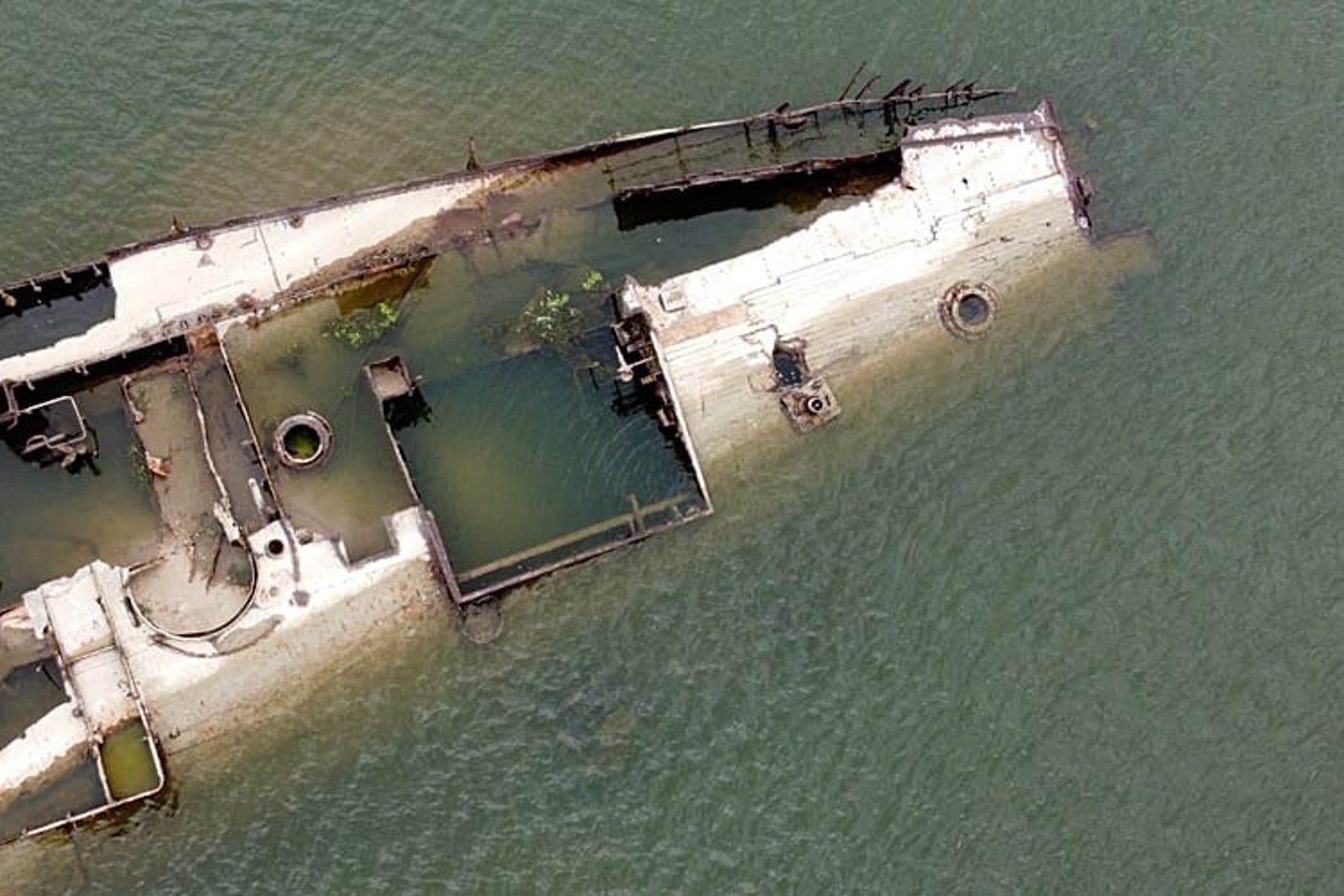
The rusting hulls now serve as a visual reminder of wartime destruction and environmental neglect, leaving behind decades of rust and pollution along the riverbed.
Sunken Vessels and Ammunition Risks
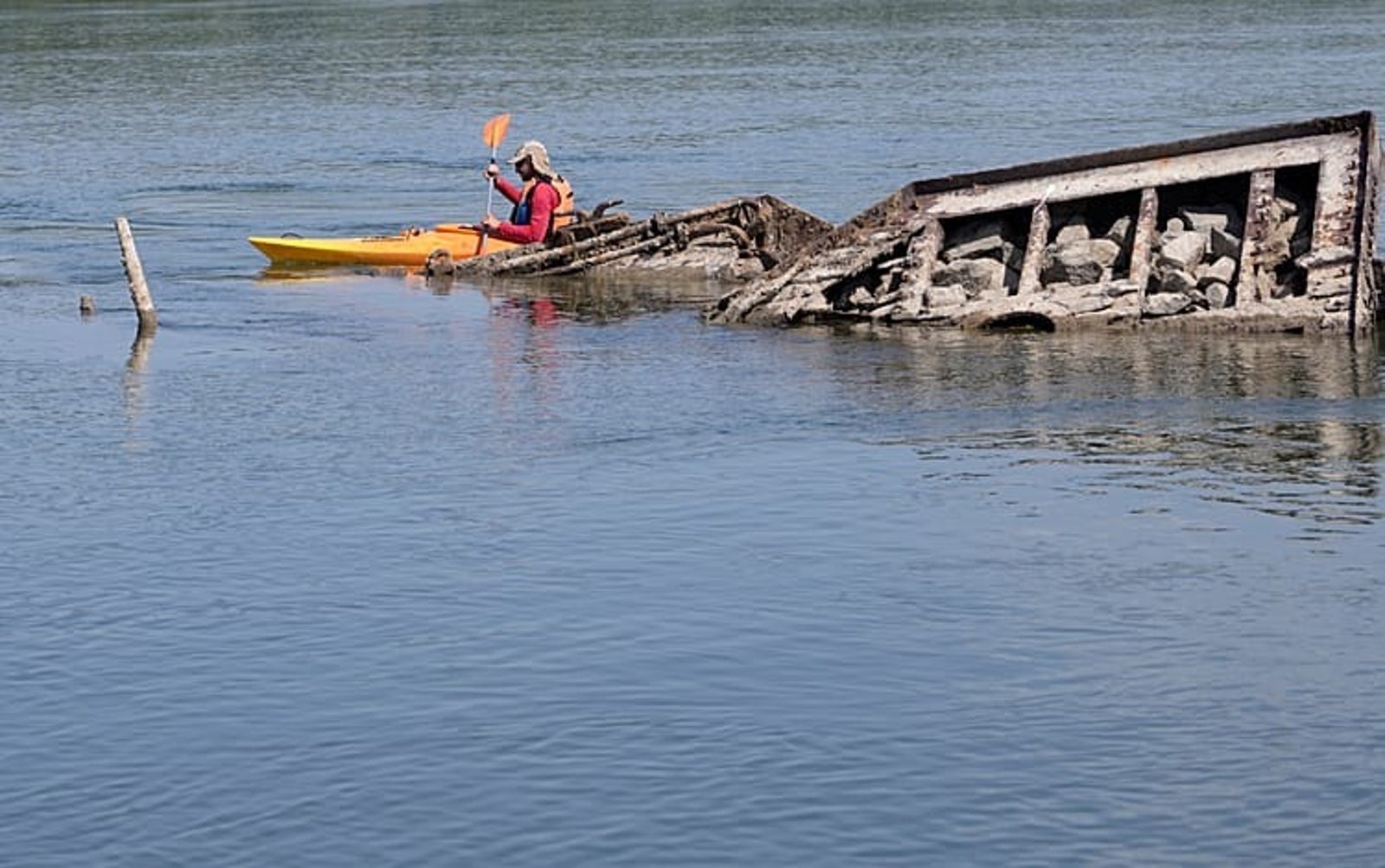
According to estimates by the European Investment Bank, the 200 submerged vessels comprise more than standard warships. The scuttled fleet includes barges, tugboats, and cargo ships, alongside a substantial volume of unexploded ammunition resting on the Danube riverbed.
The sunken vessels continue to cause the exact navigation obstacles intended during their 1944 destruction. River traffic along this stretch of the Danube in Serbia remains heavily impacted, costing Serbia approximately 5 million euros every year due to shipping delays and forced detours along commercial trade routes.
Slow Recovery and Climate Impact
A multi-million euro recovery project is underway to mitigate the environmental and navigation risks. The project plans to permanently bury the most dangerous vessel remnants in the riverbed while removing whatever wreckage can be safely salvaged. However, recovery efforts remain complicated and extremely slow because of the danger posed by unexploded ordnance.
The exposure of the fleet stems from one of the most severe European droughts in recent years, marked by persistent heatwaves and rainfall below historical records. Low water levels have disrupted passenger travel, freight transport, tourism, and electricity generation across the region.
Extreme climate conditions and falling water levels could potentially reveal additional shipwrecks, ancient settlements, and prehistoric fossils for ongoing study, highlighting the need for humanity to adapt and limit environmental impacts.