

Dietitians interviewed by Good Housekeeping have identified ten essential superfoods that adults over 50 should consume to promote healthy aging and prevent chronic disease.
Nutritional needs shift significantly as gradual signs of aging manifest, making targeted dietary choices vital for preserving mobility, cognitive resilience, and cardiovascular health. Expert nutritionists emphasized that plant foods, lean proteins, and fermented dairy products provide vital compounds that protect organs against age-related decline.
Registered dietitian Lauren Harris-Pincus, who holds a Master of Science degree, recommended prunes to support bowel regularity and preserve bone density. Harris-Pincus explained that prunes contain vitamin K, boron, and polyphenol antioxidants that protect bone structure. She noted that bone preservation is an aspect of healthy aging that is frequently neglected despite being critical for premenopausal and menopausal women.
Beans and other legumes also earn superfood status due to their wide range of health benefits, ranging from gut support to lower risks of chronic conditions. A study published in the European Journal of Nutrition revealed that these plant foods can reduce systemic inflammation, which typically accelerates with age. Harris-Pincus noted that legumes such as beans, lentils, and chickpeas supply complex carbohydrates. Bacteria in the colon ferment these carbohydrates into short-chain fatty acids, including butyrate, acetate, and propionate, which strengthen the intestinal lining and bolster both immune and brain function.
Brain and Bone Health Boosters
Mushrooms offer a rich source of ergothioneine, an amino acid under investigation by researchers for its protective effect on brain health. Registered dietitian Lauren Manaker, Master of Science, highlighted a study of Americans aged 60 and older published in the British Journal of Nutrition. The research showed that participants reporting higher mushroom consumption performed significantly better on cognitive tests measuring memory and information processing speed. Manaker stated that while mushrooms are not a magic bullet, they reinforce growing evidence supporting healthy cognitive aging.
Mushrooms exposed to ultraviolet light or sunlight also deliver vitamin D, which is essential for older adults. Manaker noted that vitamin D enables calcium absorption to maintain bone strength at a life stage when skeletal maintenance is vital. She recommended incorporating varieties such as shiitake and oyster mushrooms, which contain high levels of ergothioneine.
As cardiovascular risks rise after age 50, dietary intervention becomes increasingly urgent. Registered dietitian Samantha Cassetty, Master of Science, stated that the healthy unsaturated fats and fiber in avocados form a key foundation for brain-healthy diets while lowering low-density lipoprotein cholesterol levels to diminish heart disease risks. Cassetty added that avocados contain lutein, a carotenoid stored in the brain and eyes that shields tissues from oxidative stress. A study published in the journal Nutrients showed that healthy older adults who ate one avocado daily for six months experienced increased lutein levels alongside improvements in working memory and problem-solving efficiency.
Protein Sources and Healthy Fats
Sustaining adequate protein intake is crucial for preserving muscle mass, which forms the foundation of physical strength, mobility, and independence in later years. Manaker noted that lean beef supplies high-quality protein, heme iron, vitamin B12 for nervous system and red blood cell health, and zinc for immune function and wound healing. For women over 50, a moderate portion of lean beef provides a practical nutrient combination. Manaker advised choosing lean cuts such as top sirloin, tenderloin, or ground beef with roughly 10 percent fat content. She recommended limiting portions to between 85 and 113 grams of cooked meat served alongside vegetables and whole grains, potatoes, or legumes.
Nuts and seeds remain vital additions to the diet despite their caloric density. Registered dietitian Juliana Vocca, Master of Science, explained that their combination of protein and fiber stabilizes energy and blood sugar levels. Registered dietitian Jessica Clancy-Strown added that monounsaturated and polyunsaturated fats in nuts and seeds foster healthy cholesterol levels and vascular function while providing antioxidants to counter cellular oxidative stress. Recommended options include walnuts, pecans, macadamias, almonds, chia seeds, and flaxseeds.
Dairy, Soy, and Antioxidant-Rich Foods
Dairy products remain essential for maintaining bone density, which tends to decrease after age 50, particularly among postmenopausal women. Manaker explained that milk delivers calcium and often vitamin D, which work together to safeguard skeletal health. Other beneficial options include protein-rich cottage cheese and fermented products such as Greek yogurt and kefir. Clancy-Strown noted that fermentation creates bioactive peptides and metabolites that moderate inflammation and oxidative stress while providing probiotics that support gut microbiome diversity, digestion, and metabolic health.
Soy foods including edamame, tofu, and tempeh contain isoflavones, a type of phytoestrogen that binds to estrogen receptors. Vocca noted that these phytoestrogens help manage menopausal symptoms. Clancy-Strown stated that research links soy isoflavones to reductions in the frequency and severity of hot flashes, improved bone mineral density, and reduced cholesterol levels. She added that soy protein supports muscle maintenance while its phytonutrients enhance skin integrity and cognitive health.
Berries provide powerful protection against age-related cognitive decline. Vocca noted that berry antioxidants fight oxidative stress, while Clancy-Strown explained that berry polyphenols support vascular health and cardioprotective indicators. Their antioxidant properties also safeguard skin collagen integrity. One cup of mixed berries provides about 7 grams of dietary fiber, fulfilling nearly a quarter of daily requirements in a low-calorie format suitable for weight management.
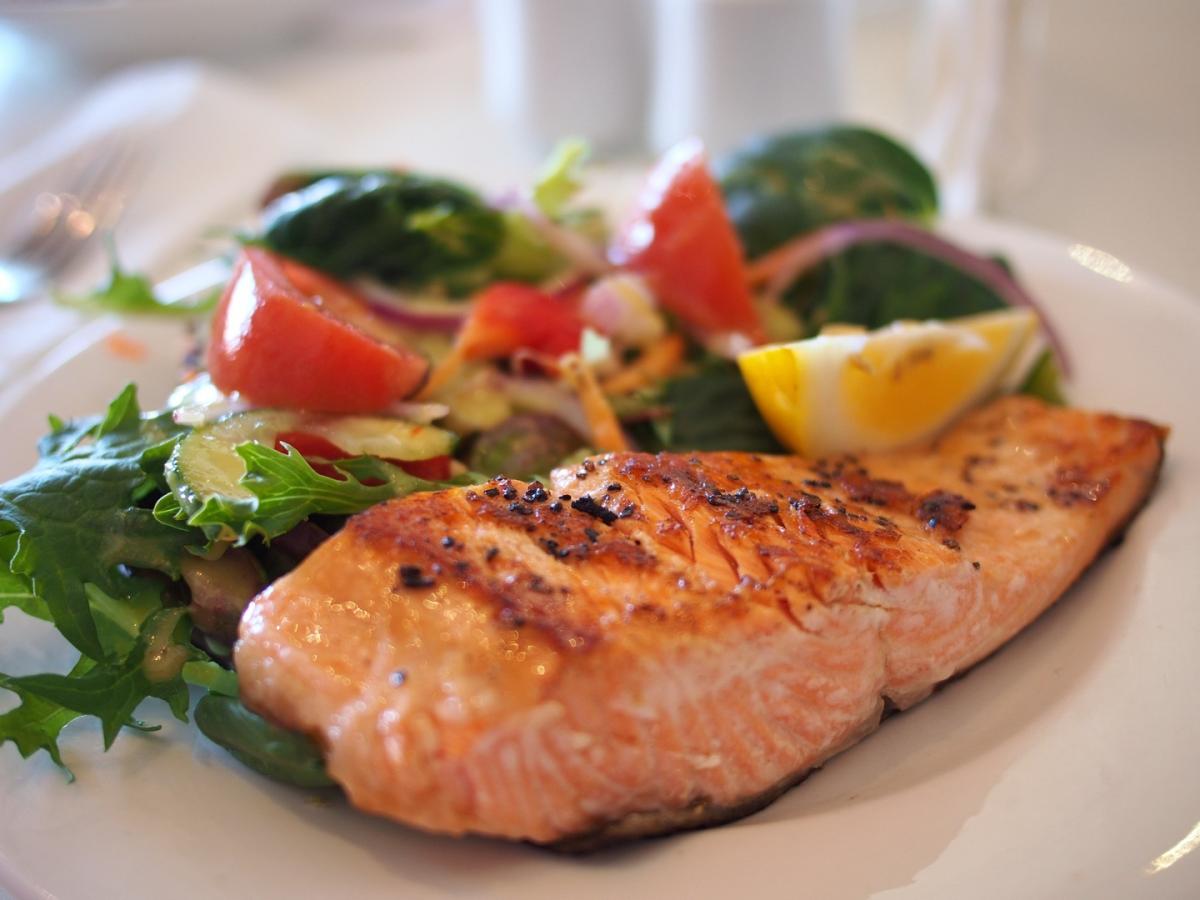
Fatty fish such as salmon, canned tuna, and sardines supply omega-3 fatty acids that preserve brain cell membrane integrity, neuronal communication, and mood stability. Clancy-Strown noted that omega-3s maintain healthy triglyceride levels, promote high-density lipoprotein cholesterol, and enhance blood vessel elasticity through nitric oxide pathways. Registered dietitian Lisa Young recommended salmon as a comprehensive superfood that delivers protein, omega-3s, vitamin D, and vitamin B12 to support muscle, heart, and brain health simultaneously.
The findings align with health research noting that protein alone is insufficient for maintaining muscle function after age 50. Vitamin D plays an equally decisive role in forming and repairing muscle tissue, maintaining muscular performance, and aiding recovery after physical exertion.


