Dogs process different human emotional states through distinct neural activity patterns in their brains, according to a study led by researcher Raúl Hernández-Pérez using magnetic resonance imaging.
Scientists used brain scans to observe how canine neural regions react when animals view photographs of human faces displaying sadness, happiness, or fear.
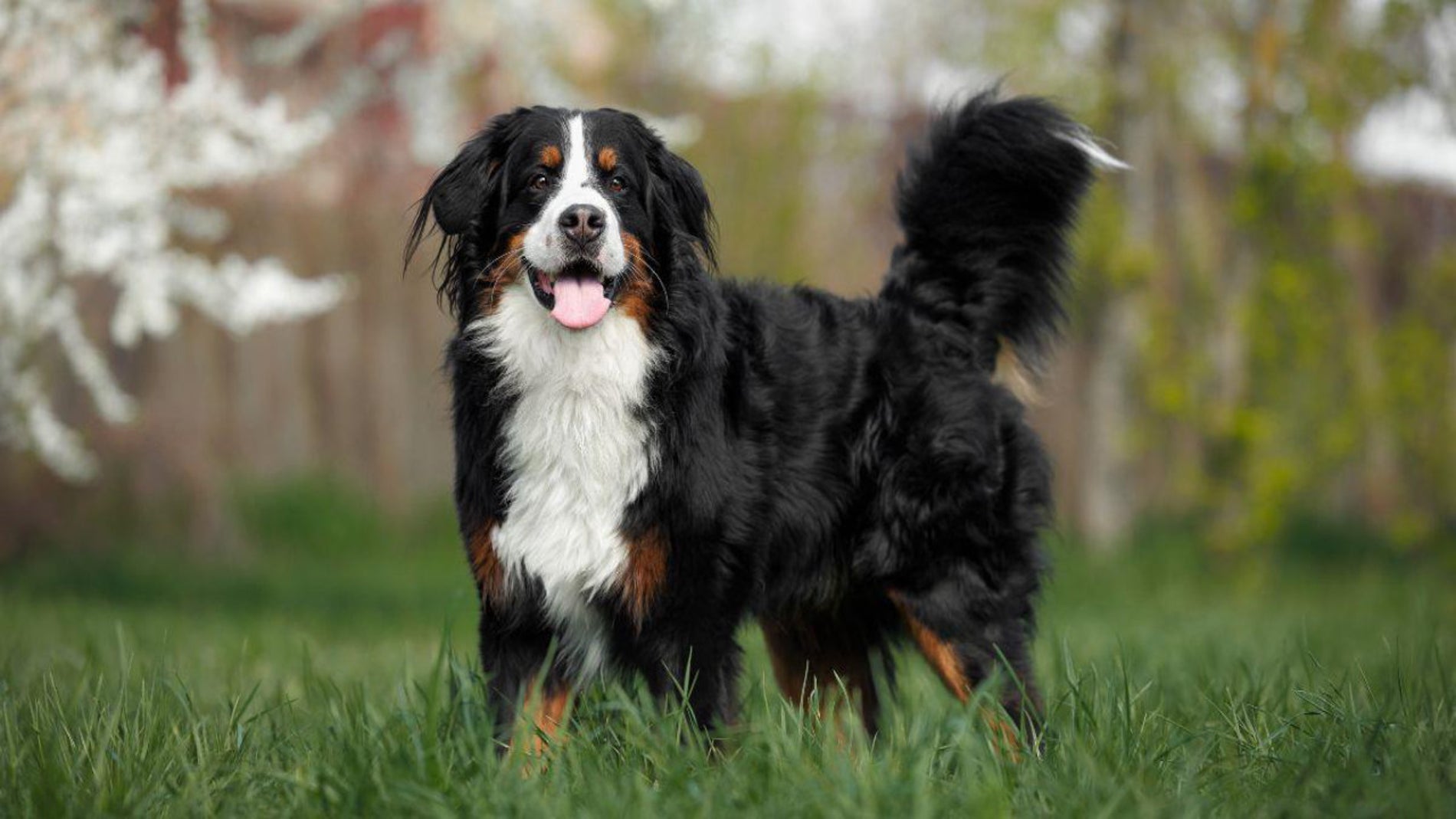
The research began with an initial group of eight dogs exposed to photographs of smiling, sad, and fearful human faces. Brain responses were particularly intense when the dogs viewed smiling faces, producing heightened activation in the temporal cortex and the caudate nucleus.
In neuroscience, the temporal cortex is involved in high-level visual recognition and cognitive processing, while the caudate nucleus is a key structure within the brain reward system that processes positive reinforcement and motivation. The researchers noted that this neural activation indicates dogs possess specialized mechanisms for identifying specific facial features and connecting them with emotional meaning, rather than relying solely on familiarity built through daily routines.
Brain responses to negative emotions
In the second phase of the experiment, researchers expanded the study group to 12 dogs and used machine learning algorithms to evaluate brain activity patterns with higher precision. Machine learning models can analyze complex data patterns in functional brain imaging that are difficult to detect through standard visual inspection.
The automated analysis revealed that dogs also differentiate between negative emotional expressions. Neural activity patterns triggered by fearful facial expressions were distinctly different from responses elicited by faces showing sadness or anger.
This distinction demonstrates that dogs can distinguish between specific negative emotions rather than perceiving all human distress as a single general category of discomfort.
Hernández-Pérez said the trial results provide initial evidence that dogs capture precise facial details to distinguish human emotions. From an evolutionary perspective, the discovery helps clarify how canine domestication favored traits that improved communication and cooperation between dogs and humans.
Over thousands of years of living alongside people, individual animals that were better equipped to interpret human social signals likely gained adaptive advantages in shared environments.
Real world interactions versus laboratory tests
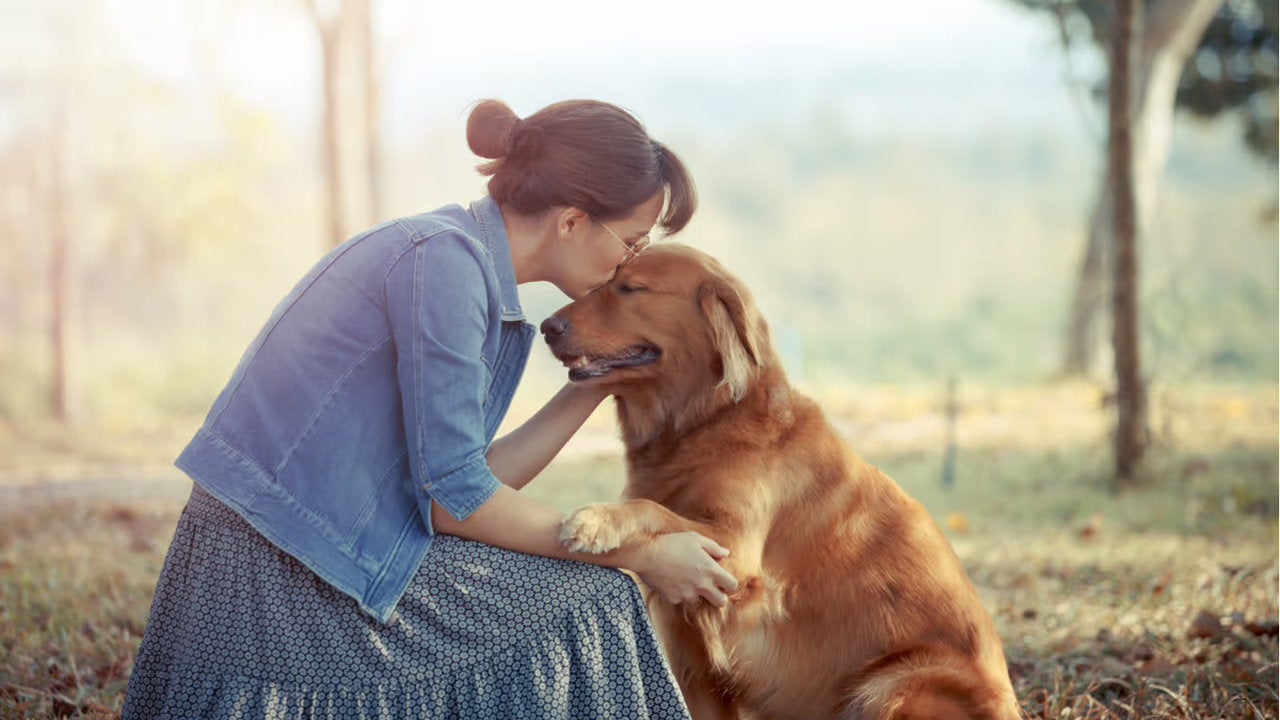
While exact historical records do not exist, scientists estimate that dogs were domesticated between 15,000 and 40,000 years ago from ancient wolf ancestors. However, the researchers cautioned that looking at static photographs in a laboratory setting represents a far simpler scenario than real-life communication.
During natural interactions, dogs do not rely on facial features in isolation. They combine facial expressions with body posture and physical movements to construct a broader interpretation of human behavior and intent.
Pet dogs also live in household environments that continuously influence their sensitivity to human signals. Researchers noted that maintaining consistency between facial gestures, physical behavior, and tone of voice can prevent confusion and foster a predictable environment for household pets.
The findings offer new insights into how the canine brain functions and highlight the complex history of human and canine relationships. When a dog observes a human face, its brain may be analyzing far more subtle details than previously understood.