

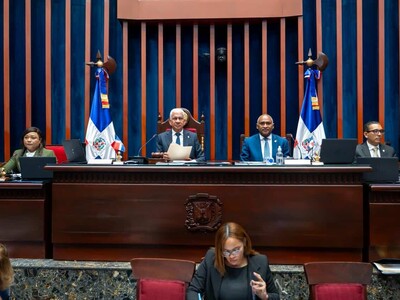
The Senate of the Dominican Republic approved a bill on Wednesday in a second reading to regulate health tourism across the country.
Senator Daniel de Jesus Rivera of Santiago province introduced the legislation, which establishes standards for medical facilities serving international patients and non-residents.
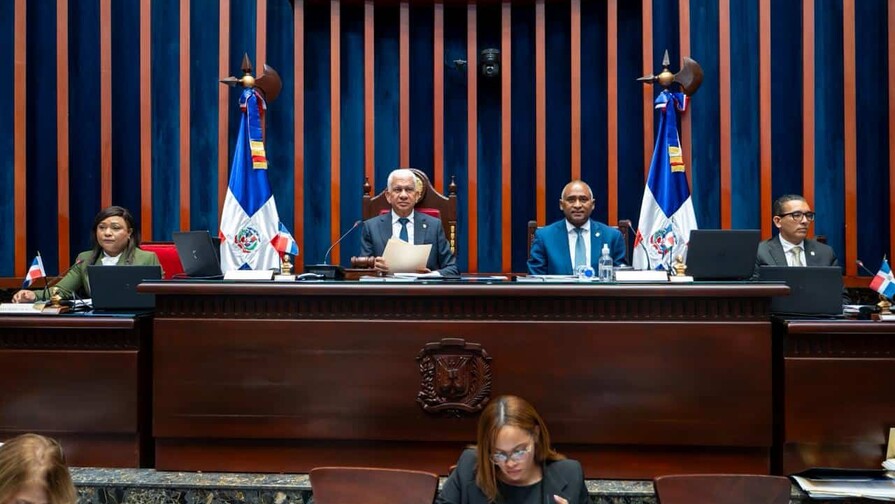
The Senate forms the upper house of the bicameral National Congress of the Dominican Republic in Santo Domingo. Senate President Ricardo de los Santos presided over the session as lawmakers passed the measure.
Under the bill, the government will create the Health Tourism Advisory Council, known as Cotsa. The council will serve as an executive body responsible for promoting and regulating medical travel activities nationwide.
The legislation defines health tourism, or medical tourism, as planned travel to another city or country outside a person's place of residence primarily to receive health care or treatment. This includes surgical procedures, dental care, rehabilitation, and wellness services.
Clinic standards and licensing requirements
Article 15 of the bill specifies authorization rules for participating medical centers. It restricts health tourism operations to clinics offering third-level health services, or facilities specifically constructed and licensed for that tier of care. Third-level health care involves specialized medical treatments, advanced surgeries, and complex hospital care.
Article 16 requires existing private third-level clinics and individual or corporate investors to satisfy minimum general and specific standards before receiving legislative incentives and benefits. The Ministry of Public Health and Social Assistance, known as Mispas, will oversee all official authorizations and facility licensing.
Article 19 stipulates that certified health tourism facilities must continuously maintain the operational standards verified during inspections by health authorities and the Ministry of Tourism.
Funding and administration of medical tourism
The measure also establishes the National Health Tourism Development Fund, known as Fondetsa. The fund will receive financing from private donations, budgetary allocations under the General State Budget Law, and self-managed resources obtained through national or international organizations.
Private donations to Fondetsa must not compromise the institutional integrity or ethical and moral principles of the organization. The Ministry of Tourism will manage the fund.
Following its approval in the Senate, the bill now moves to the Chamber of Deputies for consideration.


