Leaving an electric fan running in an empty bedroom does not cool down the room, according to the US Department of Energy. While air moves and curtains wave after hours of operation, a thermometer shows that room temperature barely drops without ventilation to the outside.
Electric fans create a cooling sensation by moving air across human skin, which accelerates the evaporation of sweat and aids body heat exchange. In an empty room without a person to receive this effect, the fan provides no thermal benefit. Fan motors also consume electricity and release a small amount of heat while spinning, though this input is modest compared to heat trapped in walls, ceilings, and furniture.
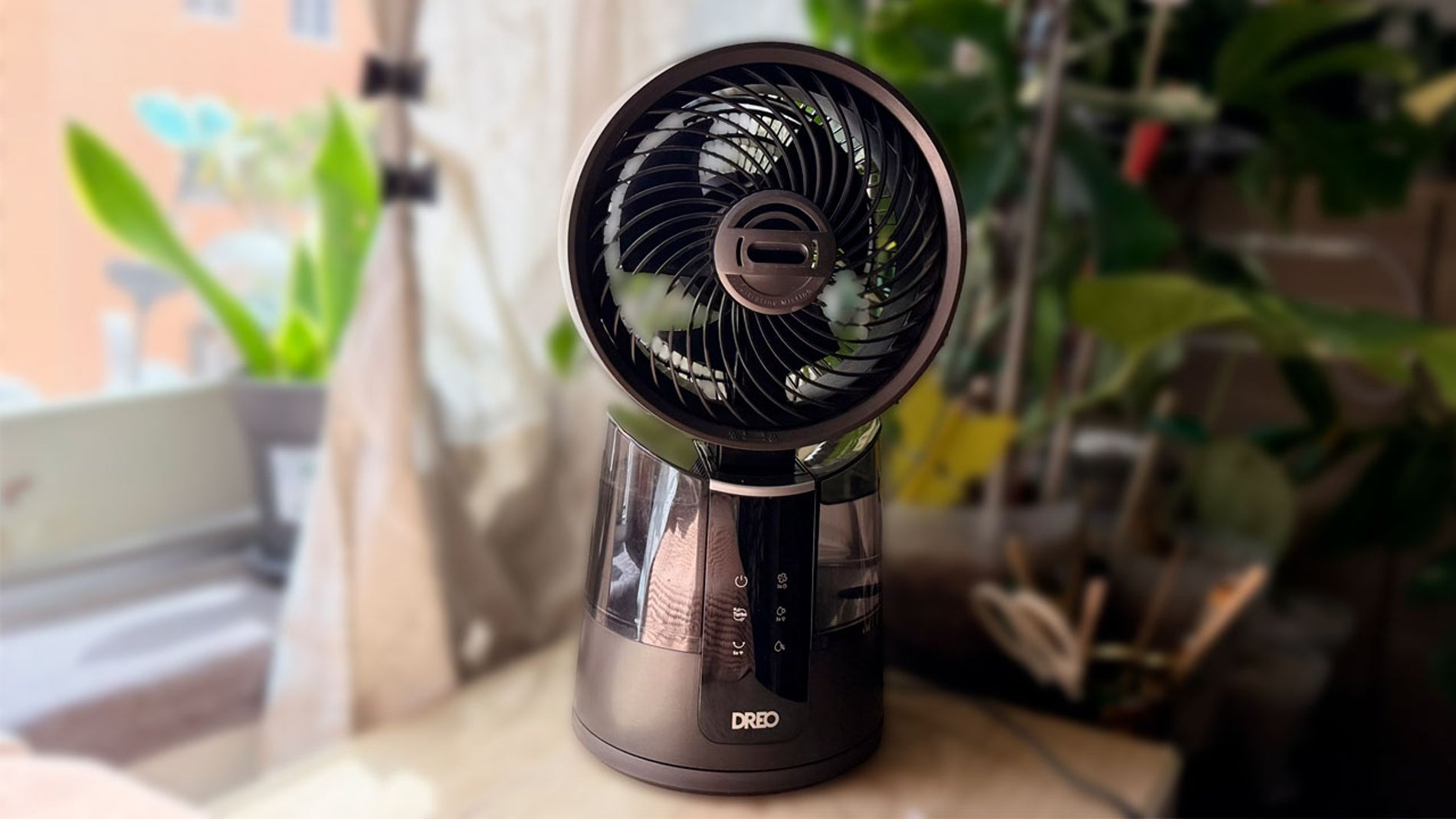
Unlike air conditioners, fans displace available air rather than extracting thermal energy through a cooling circuit. Related product coverage highlights models such as the compact DREO TurboCool 516S, photographed by Paola Mejia, as well as quiet fans available at retailer LIDL.
Personal Comfort and Thermostat Settings
Airflow volume and direction determine personal comfort when someone is present in the room. A ceiling fan operating in summer mode pushes air downward to distribute airflow across the occupied space. The US Department of Energy advises users to turn fans off upon leaving a room because they cool people rather than spaces.
The US Department of Energy also notes that using a ceiling fan allows residents to raise their thermostat settings by about 4 degrees Fahrenheit, or roughly 2.2 degrees Celsius, without sacrificing comfort. Actual energy savings depend on local climate, building type, equipment, and personal habits. Using a wet cloth alongside a fan alters room humidity and requires caution.
Ventilation Strategies and Heat Removal
Air conditioners absorb indoor heat and release it outdoors through a circuit, whereas fans only circulate existing indoor air. Confusing these mechanisms leads to leaving fans running in unoccupied rooms. However, fans can reduce room temperatures when outdoor air is cooler than indoor air, such as during nighttime hours.
Placing a window fan to exhaust warm air or draw in cooler air creates effective air exchange, serving a role similar to extractors or portable cooling units. Opening windows without checking outdoor temperatures can accidentally bring hotter air inside. Experts recommend lowering blinds or awnings during peak daylight hours to block solar radiation, using cross ventilation when outdoor temperatures drop, and relying on thermometers to guide fan use. Reporter Esteban García Marcos published these details on August 5, 2026.