

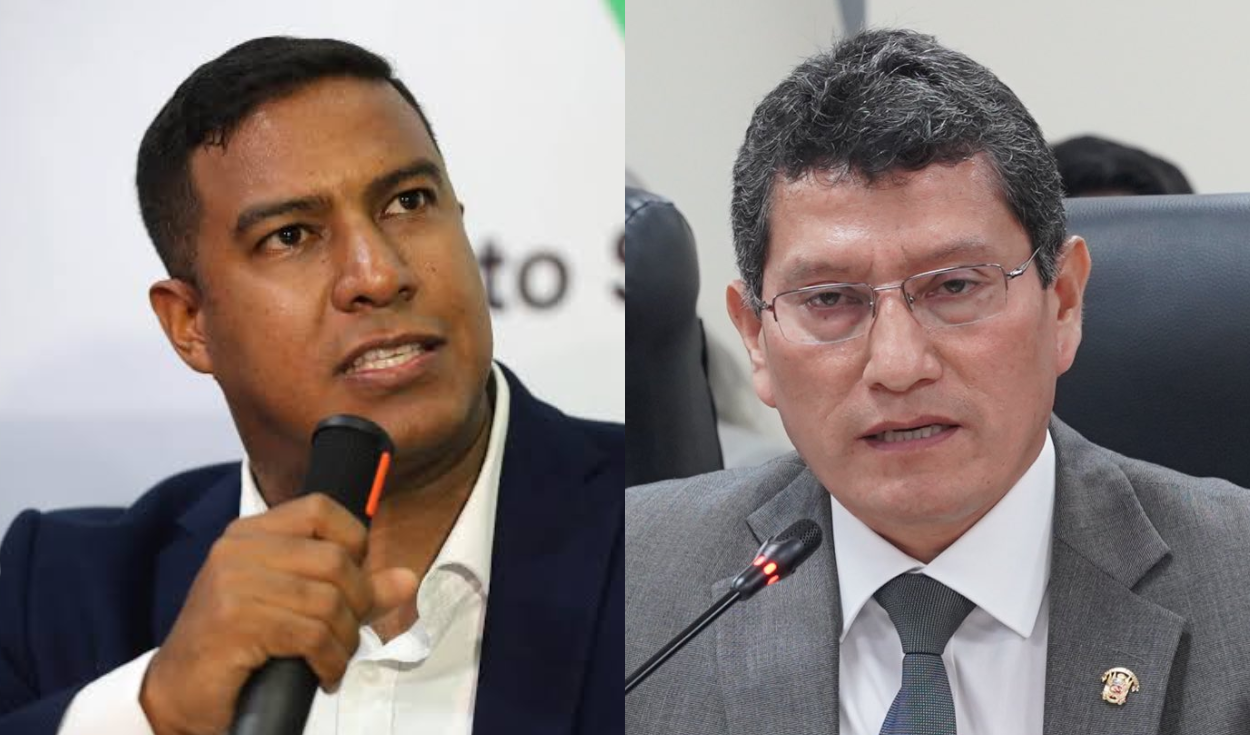
Peruvian deputy Ernesto Zunini has rejected a proposal by fellow lawmaker Harvey Colchado to delay a parliamentary censure vote against Interior Minister César Astudillo.
Zunini, a member of the Juntos por el Perú caucus, stated that public demands regarding national safety leave no room for delay. He emphasized that the country continues to record between seven and eight murders every day.

The censure motion seeking the removal of Astudillo was officially filed on September 24. Lawmakers backing the initiative cited manifest incapacity in managing the interior sector and highlighted the worsening of lethal violence across Peru, arguing that Astudillo's tenure is unsustainable alongside the growth of organized crime.
Following the presentation of the motion, Deputy Harvey Colchado released an open letter on September 27 asking colleagues not to support the minister's immediate removal. Colchado argued that ousting the minister now could open the doors of the Interior Ministry to figures seeking to derail police reform.
Colchado proposed monitoring the performance of the sector using five technical indicators and delaying any evaluation of Astudillo's removal until December.
Objections to Postponing the Censure Vote
Zunini dismissed the suggestion to grant the government additional time, telling reporters that defending the minister under the pretext of protecting the police institution does not reflect reality. He stated that no official within the executive branch has discussed a police reform and argued that current administration efforts consist only of desk changes among the same police generals.

Zunini also questioned attempts to avoid parliamentary censure on the basis of internal procedures that have failed to show any measurable improvements in public protection.
Colchado previously served as the head of Diviac, the High-Complexity Crime Investigation Division of the Peruvian National Police. The specialized unit leads investigations into organized crime and corruption, giving Colchado significant influence in legislative security debates as a member of the Ahora Nación party.
In Peru's political system, the Ministry of the Interior oversees police operations, domestic security, and law enforcement strategies across the country.
Legislative Support and Vote Calculations
Juntos por el Perú deputy Analí Márquez addressed Colchado's proposal by stating that while her caucus respects individual positions within the opposition, the primary focus must remain on national security.
Márquez expressed confidence that Ahora Nación will eventually join the effort to remove the minister, citing persistent pressure from lawmakers driven by the ongoing surge in criminality.
To pass a motion of censure in Peru's unicameral 130-seat Congress, opposition benches must gather at least 66 votes, which immediately forces the cabinet minister to tender their resignation.
Márquez told reporters that Juntos por el Perú is actively collaborating with the Buen Gobierno and Obras caucuses to assemble the required 66 votes. She added that representatives are actively working to secure the remaining support needed from Ahora Nación to complete the threshold.


