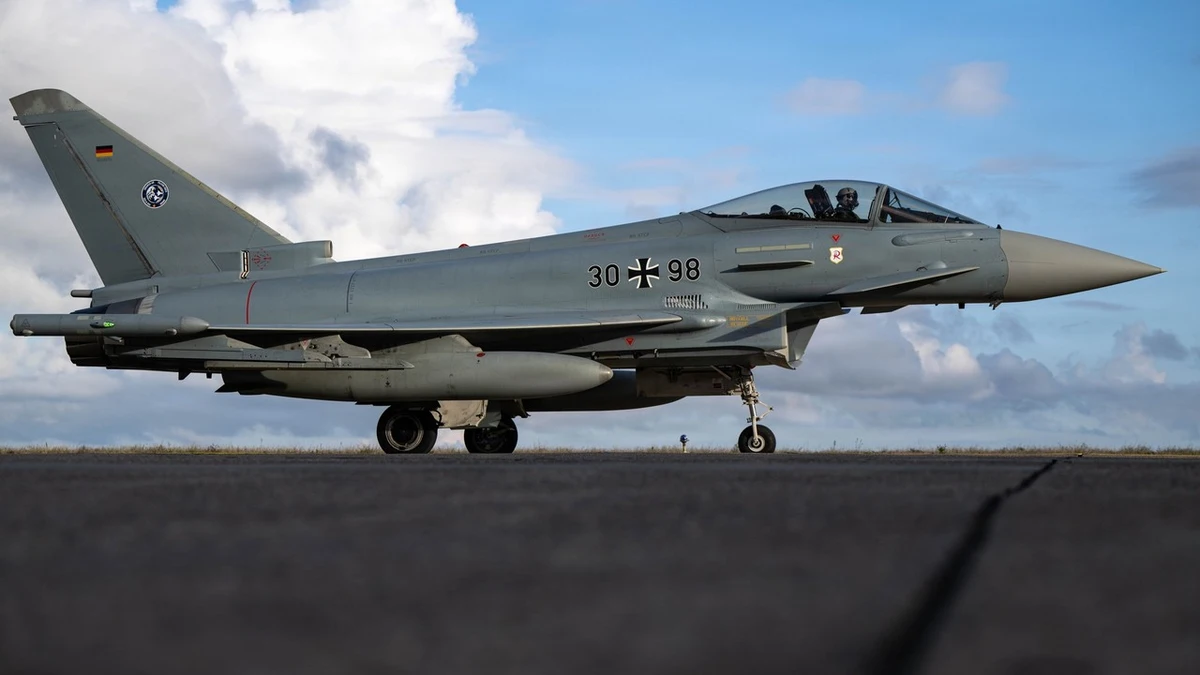
Eurofighter pilot Juan Bengoechea explained how ejection seat leg restraints automatically pull an aviator's limbs tightly against the seat during emergency evacuations.
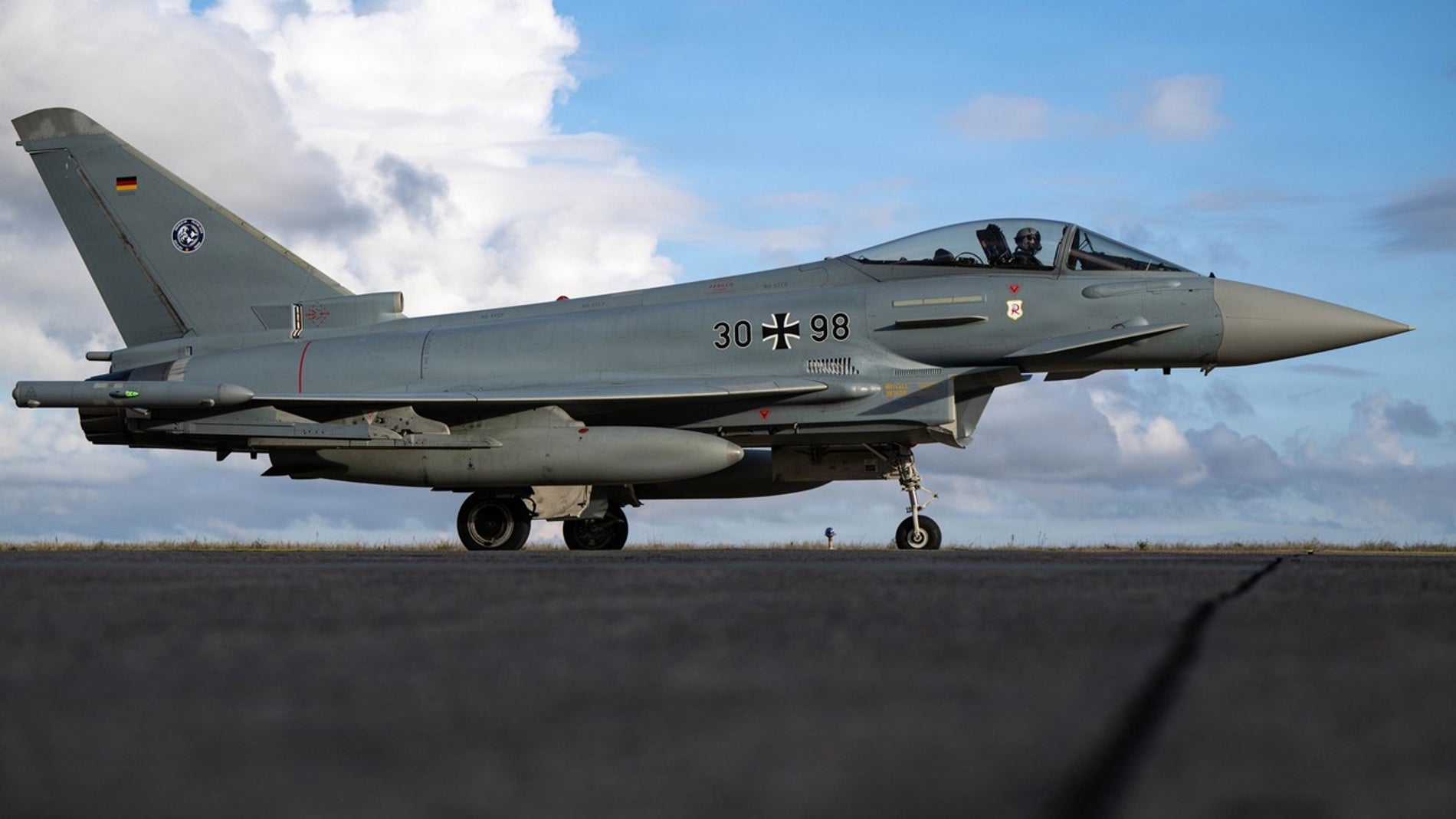
Speaking on an episode of the Roca Project podcast published on May 13, 2026, Bengoechea said that if a pilot has their legs extended during an ejection, dedicated restraints automatically retract them and pull them flush against the ejection seat.
When an aviator is forced to abandon a fighter jet, wearing a parachute represents only one component of the emergency rescue sequence. Before the parachute can open, the pilot must clear a cramped cockpit while traveling at high speeds, avoiding structural obstacles while maintaining a posture that minimizes physical injury.
Unsecured limbs pose a major hazard during an emergency escape. An extended leg or loose arm can strike the cockpit frame or be exposed to extreme aerodynamic forces as the seat accelerates out of the airframe, making automated restraint technology vital to keeping the occupant within a controlled space.
Automatic limb restraint mechanisms
Bengoechea noted that the primary objective of the leg restraints is to force the aviator into an upright and compact position before leaving the aircraft. The system coordinates the release of the cockpit canopy, ejection propulsion, body restraints, and parachute deployment into a single automated sequence.
Military aviation equipment is often recognized for advanced sensors, electronic warfare capabilities, and heavy weaponry, but survival systems demand equally precise engineering tailored to tight cockpit constraints. Ejection seats integrate directly into the airframe, with connections and harnesses that govern both routine flight and emergency evacuations.
Bengoechea explained that while electronic warfare and defensive upgrades protect aircraft from hostile threats, limb restraints address the immediate physical dangers of an emergency exit. The coordination between ejection components is as critical as the propulsion force pushing the seat out of the jet.
The Martin-Baker Mk16A ejection system
Technical documentation from British defense manufacturer Martin-Baker identifies the Mk16A ejection seat as the standard system fitted in the Eurofighter Typhoon. The design incorporates dedicated arm and leg restraint mechanisms, a primary catapult system, and a rocket motor mounted beneath the seat to clear the aircraft.
Martin-Baker has also developed a modernized variant known as the NXG, which incorporates subsequent technological advances. Specification sheets do not distinguish which exact seat variant is installed in specific aircraft used by individual pilots, as systems vary across production tranches and upgrade programs.
The Eurofighter Typhoon is a twin-engine multirole combat aircraft developed by a European industrial consortium comprising Airbus, BAE Systems, and Leonardo. Capable of reaching speeds near 2,500 km/h, the aircraft features advanced avionics, including active electronically scanned array radar systems, and is operated by air forces across Europe including Spain and Germany.
Evolving pilot gear and escape safety
The evolution of ejection technology is closely tied to changes in personal flight gear worn by aircrew. Modern aviators carry specialized equipment, including helmet-mounted display visors, which alter head weight and physical clearance inside the canopy during an emergency ejection.
Because survival equipment must protect the pilot alongside their gear, modernizing a fighter jet requires updating ejection and safety hardware alongside combat capabilities. Ejection seat manufacturer Martin-Baker, based in Higher Denham, Buckinghamshire, designs escape systems specifically to accommodate evolving helmet optics and cockpit interfaces.
Bengoechea emphasized that triggering an ejection does not automatically eliminate risk. A pilot must adopt the proper posture whenever time permits, allowing the mechanical restraints to complete their sequence effectively as the system separates the aviator from an aircraft that can no longer be flown.
Much like aircraft maintenance and sustainment, cockpit safety relies on thorough preparation and mechanical reliability rather than theoretical performance specifications. In an emergency exit, where aircrew have almost no margin to correct errors, automatic leg restraints provide a vital safeguard that remains hidden during standard flight operations.