Eric Lawes set out into a field in Hoxne, Suffolk, England, on 16 November 1992 carrying a metal detector he had received as a retirement gift. The farmer's goal was simple: find a hammer he had lost on his land. Instead, he made one of the most important archaeological discoveries in British history.
After digging away just a few spadefuls of soil, Lawes found silver spoons and gold coins. Rather than continue on his own, he alerted the police and the local archaeological society. The next day, specialists extracted a block of earth containing the entire find, allowing them to study the objects under controlled conditions.
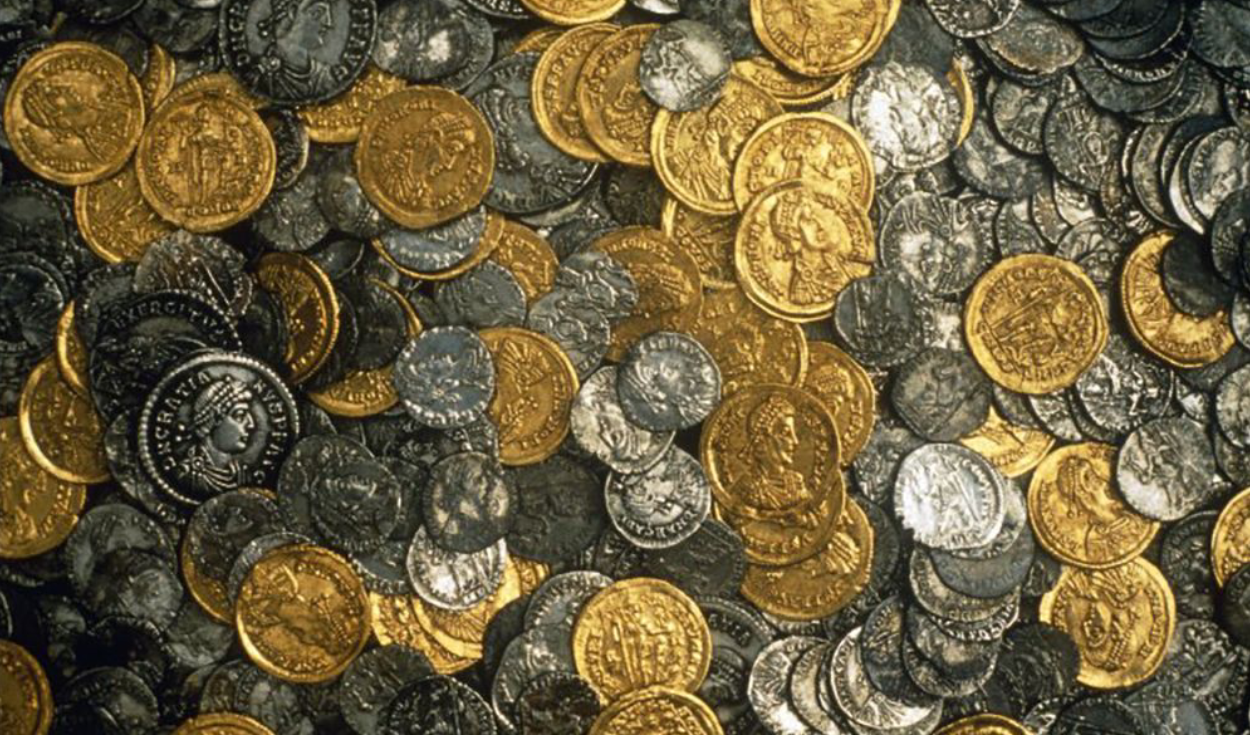
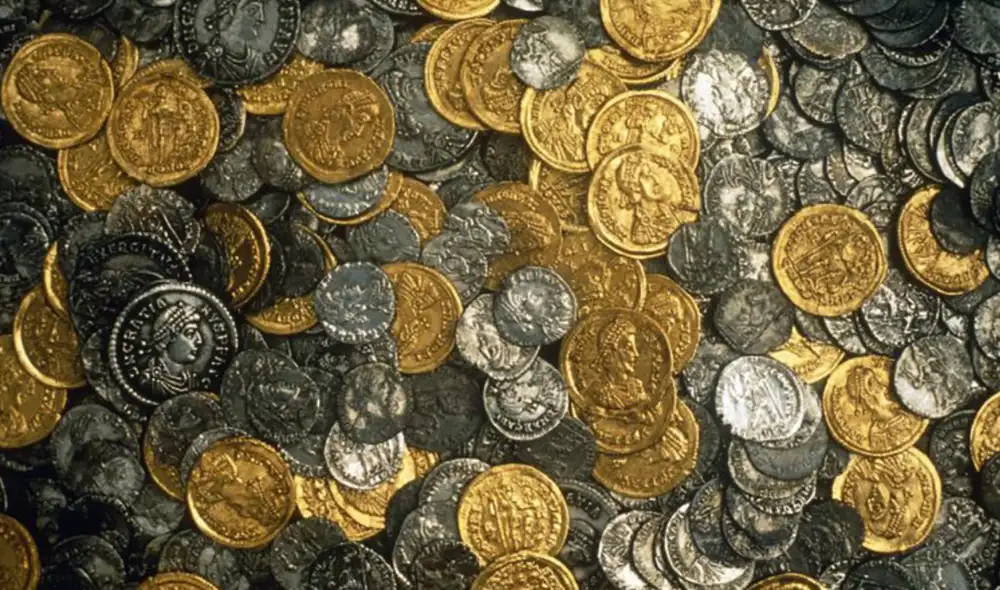
The hoard turned out to hold almost 60 pounds of gold and silver objects, 15,234 Roman coins and around 200 gold items. The discovery also gave researchers new clues about the final years of Roman rule in Britain.
How a metal detector led to Britain's biggest Roman hoard
The way the treasure was recovered made a difference for researchers. Instead of lifting each piece out individually, archaeologists moved part of the soil with the objects still inside, which let them study how the hoard had been arranged and stored.
Rachel Wilkinson, a curator at the British Museum, said the Hoxne hoard was the largest and most recent of four such deposits discovered in Britain.
The find also brought a financial reward for Lawes. The British government paid him £1.75 million, a sum he shared with the owner of the land. The lost hammer eventually turned up too, and now sits on display alongside the extraordinary find.
Why archaeologists think the treasure was buried after Roman rule ended
The exact burial date is still debated. Because the deposit did not preserve any organic material, specialists cannot use radiocarbon dating. Instead, they study the coins, their inscriptions and the emperors depicted on them.
Roman archaeologist Peter Guest told Smithsonian Magazine that the latest date Hoxne could have been buried is 408 or 409, based on the age of the coins, and that the traditional model suggests it was buried around that time. He said that in his view, these hoards have been misdated, and that a closer look suggests they should be dated to the period after Britain's separation from the Roman Empire.
Guest believes some coins may have stayed in circulation for decades after Rome withdrew its influence from Britain in 410. A key clue appears in 98% of the coins in the hoard: their edges were clipped, in some cases by as much as a third of their size.
Chemical analysis shows the metal removed from the coins was used to make imitation Roman pieces. Guest suggests this practice may have been a response to the loss of new gold and silver supplies from the Empire, with the population trying to stretch the metal they already had.
What the objects reveal about a wealthy Roman family
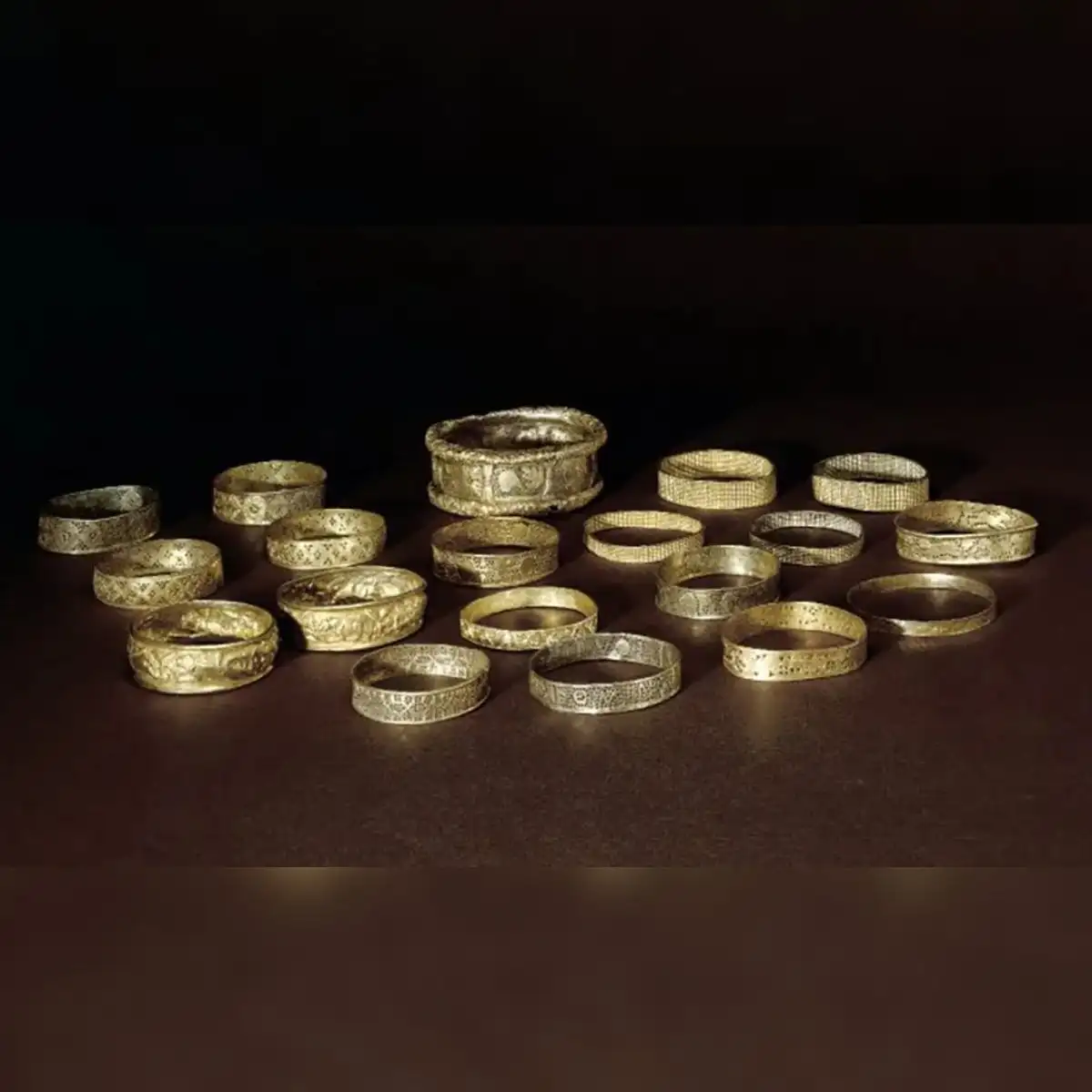
The deposit held far more than money. It also included spoons, jewellery, containers and everyday objects. Nails, hinges, locks, wood remains, bone and ivory, along with fragments of straw, show that several pieces had been kept inside wooden boxes lined with leather. Some items showed wear and repairs, evidence that led Catherine Johns to suggest the collection may have preserved objects with sentimental value.
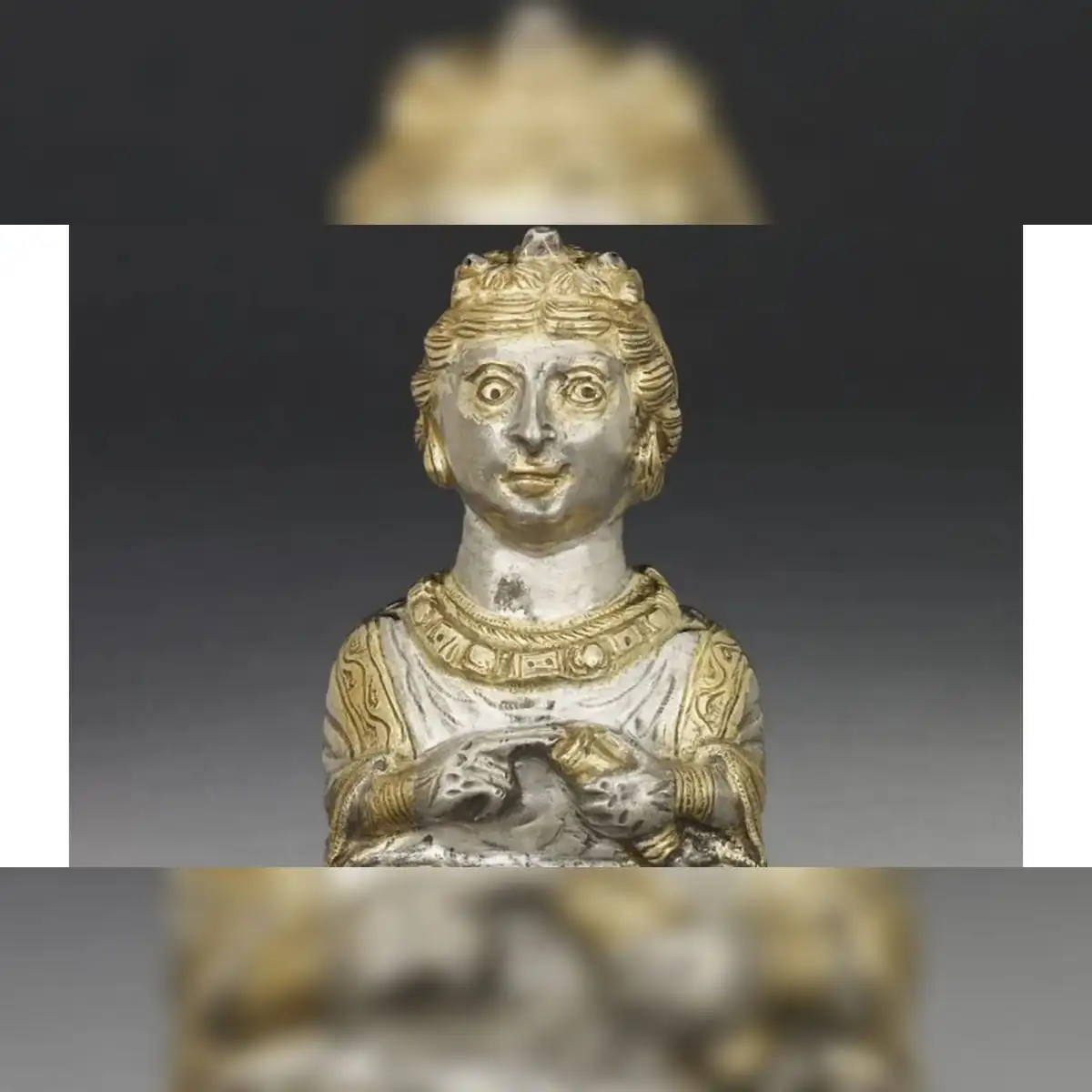
The spoons carry names such as Aurelius Ursicinus and Silvicola, along with the Latin phrase vivas in deo. One spoon appears to have been made for a left-handed person. A silver pepper pot shaped like a noblewoman also stands out, its elaborate hairstyle reflecting the fashions of the period, while its contents point to international trade, since the pepper came from India. Among the jewellery is a gold chain made for a teenage girl, along with several rings and bracelets. One bracelet bears the inscription utere felix domina Iuliane, meaning use this and be happy, Lady Juliane.