The South Florida Water Management District and the University of Florida have deployed robotic rabbits across the Everglades to locate invasive Burmese pythons.
The initiative, which began testing a year ago, uses artificial decoys that mimic live prey to attract the large reptiles to monitored sites for manual removal by specialized handlers.
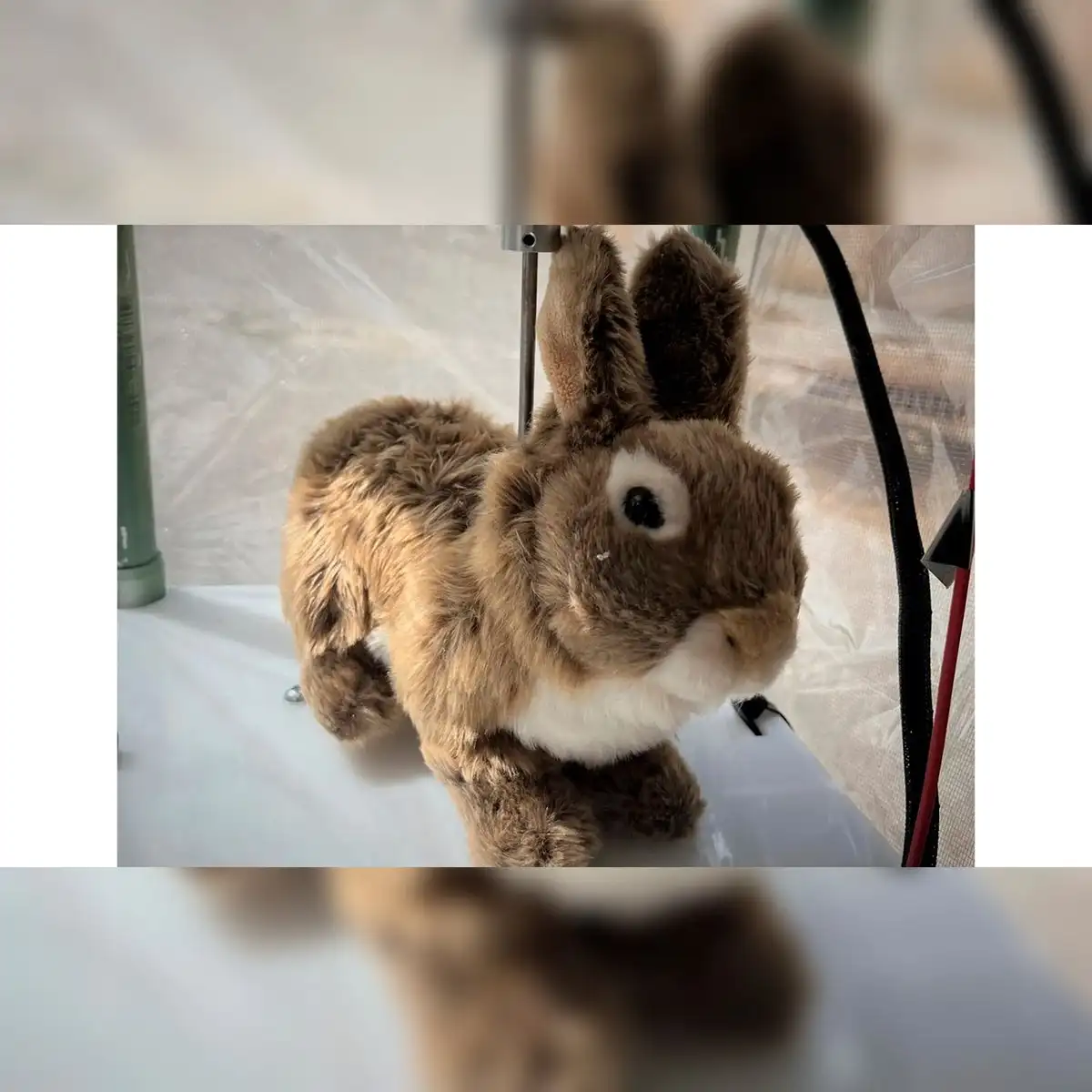
Researchers placed 120 of the robot rabbits in various locations across southern Florida during 2025 as part of an experimental trial. Each unit costs approximately $4,000 to manufacture and deploy.
The mechanical decoys are placed inside small enclosures under continuous video surveillance. Operating entirely on solar energy, each unit can be turned on or off remotely by project operators.
How robotic decoy rabbits detect snakes
The devices exploit the hunting instincts of Burmese pythons by generating a heat signature similar to a living animal while emitting a scent crafted to draw the snakes in. The units also perform subtle physical movements that mirror those of a real rabbit.
Integrated cameras powered by artificial intelligence monitor the surrounding area for motion. When a python approaches the decoy, the automated system identifies the reptile and immediately sends an electronic alert to wildlife officials.
Once notified by the system, a specialized contractor travels directly to the specific GPS location to capture and remove the python from the wild. The decoys themselves do not trap, harm, or kill the snakes.
The South Florida Water Management District explained that the innovative machines produce a thermal signature and emit an odor tailored to attract pythons. Officials noted that onboard cameras constantly monitor for python presence and issue notifications as soon as a snake is detected.
Mike Kirkland, an invasive species biologist at the agency, said that capturing and removing the snakes is relatively straightforward, but locating them remains the primary obstacle. He explained that dense marsh vegetation and the natural camouflage of the reptiles make conventional visual searches extremely difficult.

Kirkland added that this phase of the decoy project is still in its early stages. However, he expressed confidence that the system will work effectively once researchers have sufficient time to resolve minor operational details.
Ecological impact of Burmese pythons
Burmese pythons are not native to Florida and established breeding populations following decades of exotic pet releases and escapes. The crisis escalated significantly in 1992 when Hurricane Andrew destroyed a local reptile breeding facility, releasing numerous snakes into the surrounding wetlands.
Burmese pythons are large non-venomous constrictors native to Southeast Asia that can grow to more than 18 feet in length. Female pythons are extraordinarily prolific, capable of laying more than 70 eggs in a single clutch.
The invasive apex predators have devastated native wildlife populations throughout southern Florida, preying extensively on local mammals, birds, and reptiles. A landmark study published in 2012 by the US Geological Survey documented population drops of nearly 99 percent among raccoons and opossums in certain areas of the Everglades.
The US Geological Survey is a scientific agency of the United States federal government that tracks wildlife trends and natural hazards. Exact numbers for the python population remain unknown, though some official estimates suggest as many as 300,000 pythons inhabit Florida, while the USGS estimates the population in the tens of thousands.
Statewide python eradication efforts
The robotic rabbit program represents one component of Florida's multi-pronged strategy to control invasive reptiles alongside state-funded removal programs and public hunting initiatives.
The annual Florida Python Challenge is a 10-day competition that brings together professional python hunters and amateur enthusiasts. The 2026 event drew 907 participants from 30 US states, Canada, and Vietnam, resulting in the removal of 280 pythons.
The Florida Fish and Wildlife Conservation Commission, the state agency responsible for managing fish and wildlife resources, works alongside water management contractors to manage the invasive species crisis. Since 2017, combined efforts by state contractors and commission partners have removed more than 19,000 pythons from Florida ecosystems.