

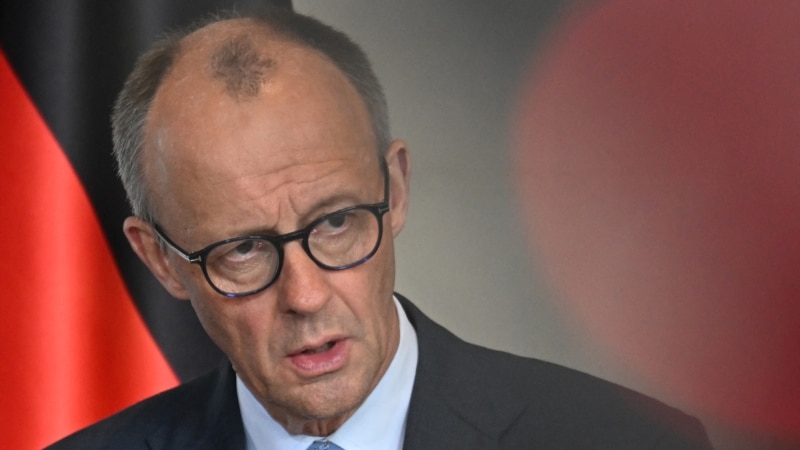
German Chancellor Friedrich Merz said Russia is not interested in serious peace negotiations, speaking at a news conference in Berlin on September 29. His comments followed a diplomatic meeting between German and Russian officials in New York.
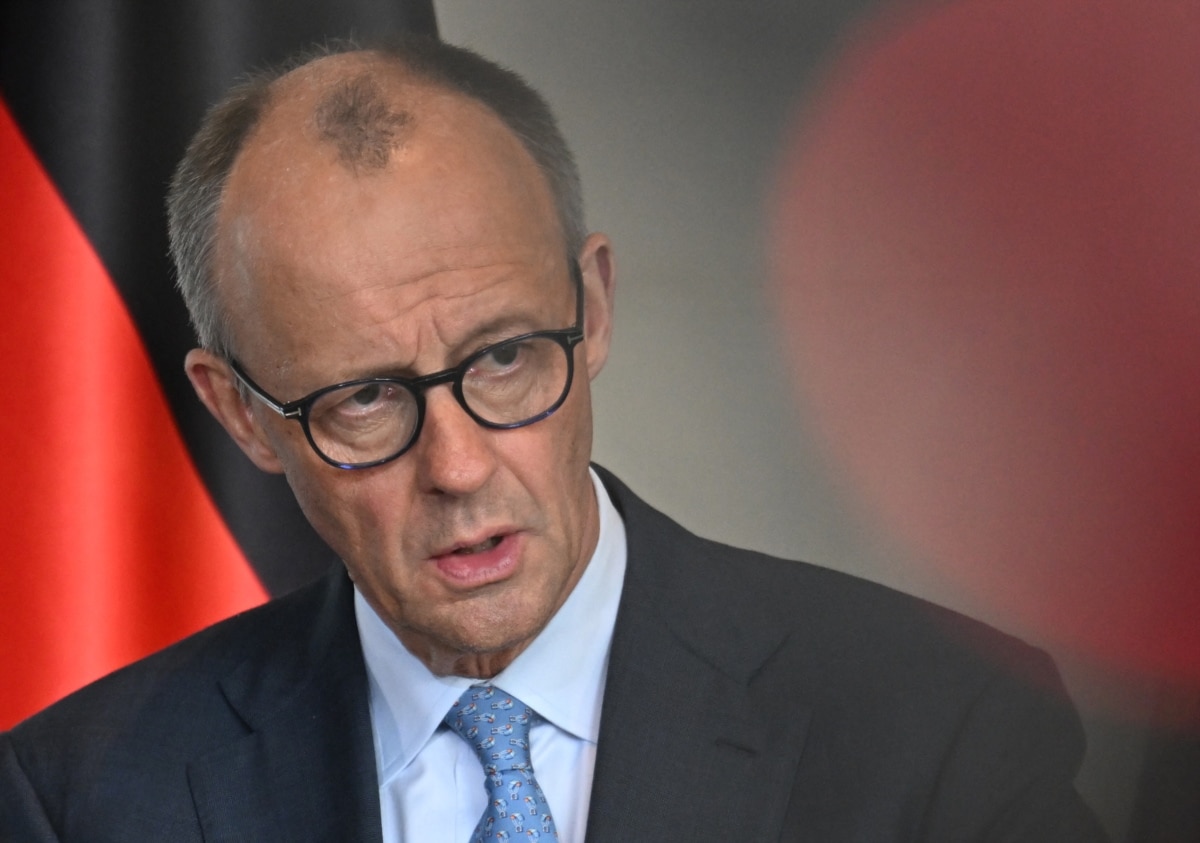
Merz stated that Germany's assessment of Russia's reaction to the high-level talks showed Moscow is currently unwilling to engage in meaningful dialogue to end the war in Ukraine. Despite the setback, the German Chancellor once again urged Moscow to return to the negotiating table.
Merz noted that Russia will not win the conflict and emphasized that Moscow is suffering immense damage, particularly to its national economy.
Diplomatic Encounter in New York
The assessment came after German Foreign Minister Johann Wadephul met with Russian Foreign Minister Sergei Lavrov in New York on September 26. The bilateral meeting took place on the sidelines of the annual United Nations General Assembly session.
The encounter marked the first direct meeting between the foreign ministers of Germany and Russia since Moscow launched its full-scale military invasion of Ukraine in February 2022. Following the discussion, Wadephul stated that his appeal for de-escalation received no positive response from the Russian delegation.
The United Nations General Assembly brings together global leaders and diplomats every autumn at UN headquarters in New York to address international security, diplomacy, and global policy challenges. Germany has maintained a firm stance alongside its Western allies in calling for a diplomatic resolution while supporting Ukrainian defense efforts.
Russian Rejection of Proposals
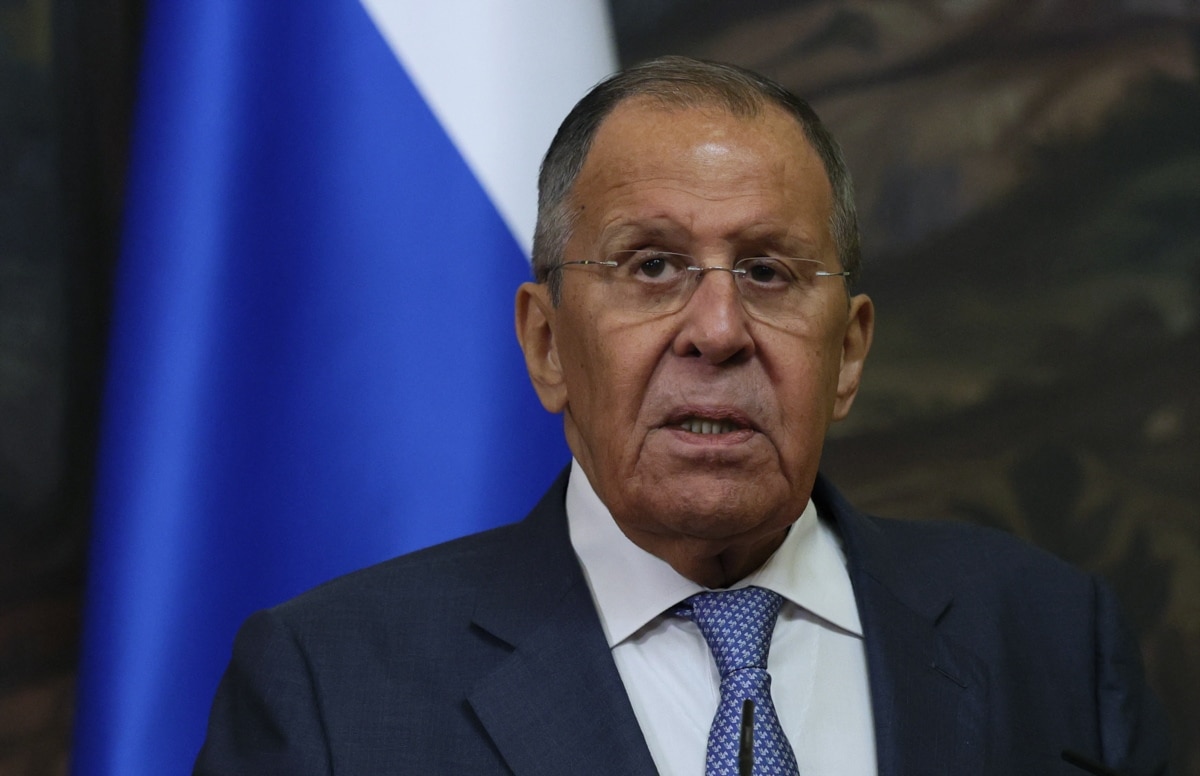
Speaking at a separate news conference following the UN session, Lavrov publicly rejected the proposals put forward by the German delegation. Lavrov said Wadephul had urged Russia to make concessions on the Ukrainian front and requested an agreement covering the Black Sea region to safeguard the navigation of commercial tankers and dry cargo vessels.
The Black Sea serves as a critical maritime corridor for international shipping, agricultural exports, and bulk cargo transport between Eastern Europe and global markets. Lavrov de facto dismissed the German proposal for the region. He also rejected allegations made by Germany regarding Russia's involvement in launching an explosive-laden drone at Leipzig Airport.
Leipzig, located in the eastern German state of Saxony, hosts Leipzig/Halle Airport, a major European air cargo hub and strategic transport installation. German authorities have been investigating security threats and potential foreign sabotage targeting critical infrastructure across the country.
Ongoing Hostilities and Truce Rejections
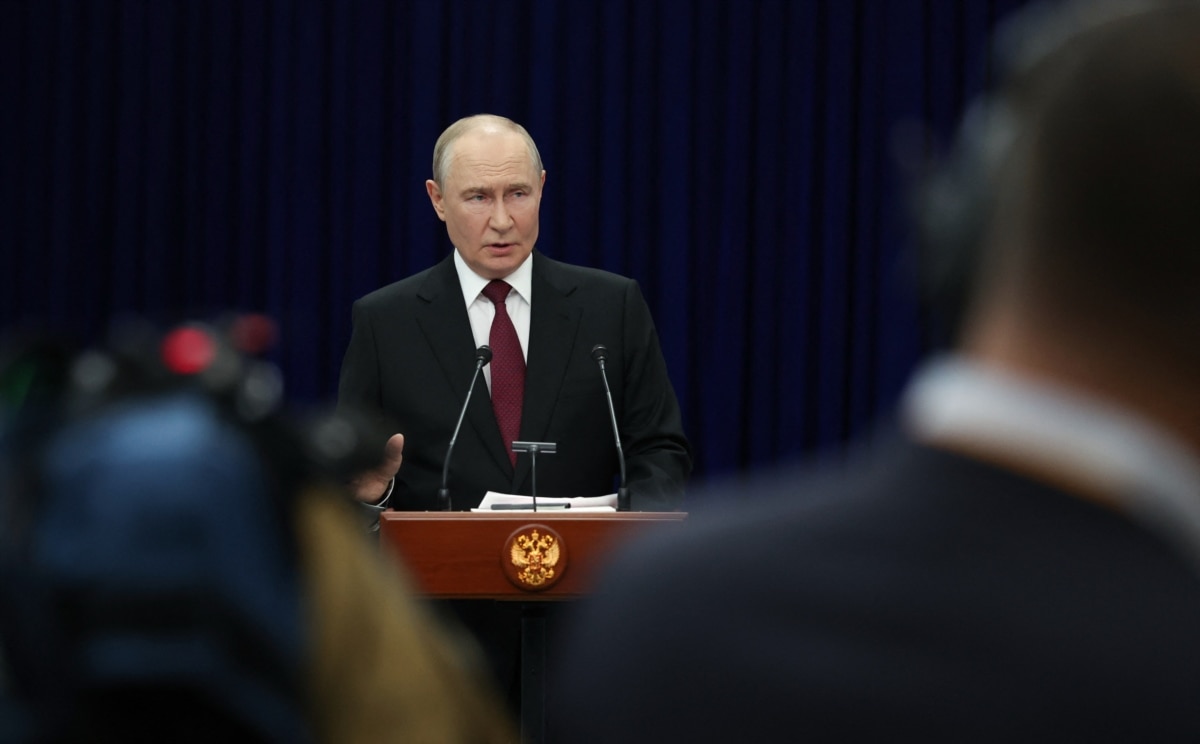
Lavrov reiterated Moscow's position by stating that Russia will not halt military operations in Ukraine even if formal negotiations were to take place.
His comments align with findings from the Institute for the Study of War, a Washington-based research organization that monitors the conflict. In a recent analysis, the research group noted that the Kremlin effectively rejected a proposed energy truce that had been put forward by the United States and Ukraine.


