


The Greek Ministry of Tourism opened applications for the new Tourism for All 2026 to 2027 program on Wednesday, August 5, 2026, at 12:00 noon. Citizens can submit their applications online through vouchers.gov.gr or gov.gr using their personal Taxisnet credentials, or in person at any Citizens Service Center.

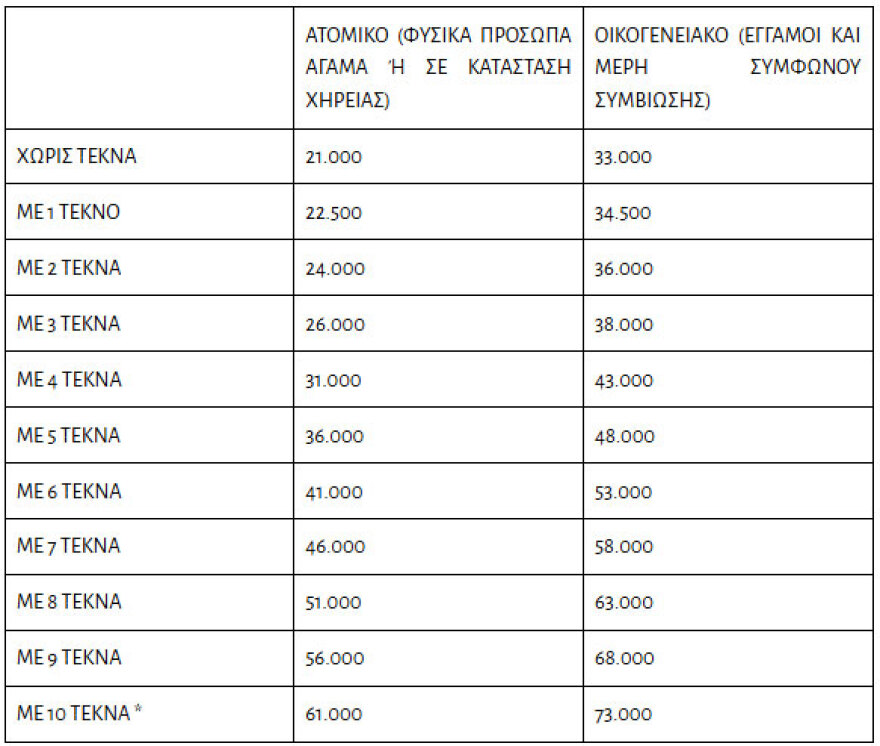
The ministry stated that the new program expands income eligibility limits to include more middle class households across the country. For single individuals without children, the maximum income ceiling has increased from 19,000 euros to 21,000 euros. For married couples without children, the income limit has risen from 31,000 euros to 33,000 euros.
Income Limits and Program Objectives
Ministry officials explained that the updated program was designed to promote sustainable and balanced tourism growth. It aims to spread visitor traffic across different geographic regions and throughout the year while strengthening regional and social cohesion.
Under the official guidelines, 70 percent of the total program budget is reserved for vacations taken between October and April. Financial aid amounts for beneficiaries are also higher during the winter and shoulder months of the year.

For large families, the income thresholds expand by 5,000 euros per child for single parents and families with more than four children, without any maximum ceiling. Lottery winners in all categories who have four or more dependent children receive an additional subsidy of 50 euros per child starting from the fourth child onward.
Persons with disabilities rated at 67 percent or higher, as well as families with children with disabilities of 67 percent or higher, can enter the program without any income criteria.
Application Schedule and Registration Process
Applications are being accepted gradually based on the final digit of the applicant tax identification number, known as the AFM. On August 5, submissions opened for tax numbers ending in 1 and 2, followed by numbers ending in 3 and 4 on August 6.
Tax numbers ending in 5 and 6 can apply on August 7, while numbers ending in 7 and 8 apply on August 8, and numbers ending in 9 and 0 apply on August 9. From August 10 through August 21, the portal will accept applications for all tax numbers until the deadline on Friday, August 21, 2026, at 23:59.
Beneficiaries will be chosen through an electronic lottery among all eligible applicants to ensure transparency and equal access. Detailed program information is published on vouchers.gov.gr, and a dedicated support desk is available Monday through Friday from 09:00 to 17:00 at telephone number 210 2150231.
Subsidy Tiers and Two Phase Execution
The program operates in two distinct execution phases. Phase A runs through June 30, 2027, while Phase B extends through December 31, 2027. No second lottery will be held for Phase B, as beneficiaries will be selected directly from the August 2026 runner up list based on available 2027 funding.
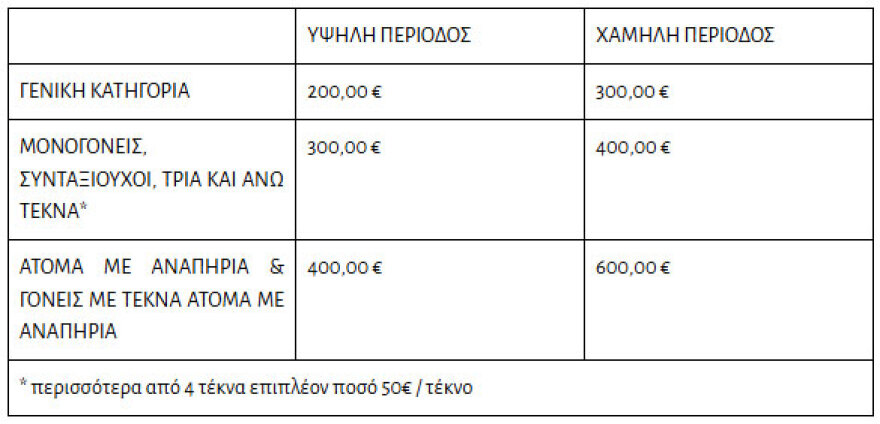
Subsidy amounts for Phase A winners during high demand periods are set at 200 euros per beneficiary. High demand periods cover digital card activation through September 30, 2026, and May 1, 2027, through June 30, 2027. During low demand periods from October 1, 2026, to April 30, 2027, the subsidy rises to 300 euros.
An increased subsidy tier provides 300 euros for high demand periods and 400 euros for low demand periods to specific groups. Eligible groups include single or widowed individuals with dependent children based on 2024 tax filings, married couples or civil partners with three or more dependent children based on 2024 tax filings, and retirees receiving old age pensions awarded by December 31, 2025.
A higher subsidy tier offers 400 euros for high demand periods and 600 euros for low demand periods for individuals with disabilities of 67 percent or higher and parents of children with disabilities of 67 percent or higher.
The ministry specified that claiming disability status for higher subsidies can only be completed once per individual or child. If multiple drawn applications reference the same disability social security number, the increased funds go to the application drawn first.
Similarly, married couples or civil partners with three or more children who submit separate applications can only receive the child bonus once. If both applications are drawn, the higher subsidy goes to the first drawn application, while the second receives the standard subsidy amount.
Digital Debit Card Features and Validity
Selected beneficiaries receive a digital debit card that supports contactless payments at hotels, lodgings, and all accommodation providers across Greece without location limits. The system grants immediate reimbursement to business owners, removing previous waiting periods and administrative steps.
Cardholders can spend their allocated funds in full or in installments until June 30, 2027, depending on their chosen operating period. Cards issued for high demand periods are valid until September 30, 2026, and from May 1, 2027, to June 30, 2027. Low demand cards can be used from October 1, 2026, through April 30, 2027, and no transactions can occur after those dates.
Digital debit cards are issued through Snappi Bank, Eurobank, and Alpha Bank. Beneficiaries do not need to hold existing accounts with any of these financial institutions to receive their cards.
Application Statuses and Payment Tracking
Applicants can monitor their submission progress through several status indicators on the portal. Processing by Beneficiary indicates the form has not been finalized because the submit button was not pressed. Under Review signifies that submitted information is undergoing automated verification.
Submitted indicates a valid application awaiting the electronic drawing. Approved Drawn means the application won the lottery and is waiting for transfer to a bank. Under Supporting Document Review means automated checks failed to confirm eligibility, requiring uploaded files. Unavailable requires the applicant to call the support desk at 210 2150231.
The payment dashboard displays four distinct stages for financial transfers. To be Sent to Banking Institution means the payment is queued for dispatch on an estimated date. Sent Under Processing by Banking Institution means funds were transmitted to the bank, where processing may take up to 10 business days.
Completed indicates the transfer finished successfully. Rejected means the payment failed, requiring the applicant to contact the support office at 210 2150231 during weekday operating hours.


