Brazilian diagnostic medicine provider Grupo Fleury reported a 42.9 percent surge in third-quarter net profit to 264.3 million Brazilian reais, surpassing market expectations on the back of revenue expansion across all operating divisions.
The company generated gross revenue of 2.7 billion reais between July and September 2025, representing a 13.3 percent increase compared to the same period in 2024. Earnings before interest, taxes, depreciation and amortisation reached 672.2 million reais, rising 12.2 percent year on year. Earnings before interest, taxes, depreciation and amortisation, commonly abbreviated as EBITDA, is a standard financial metric used to evaluate operational performance before financing and accounting costs.
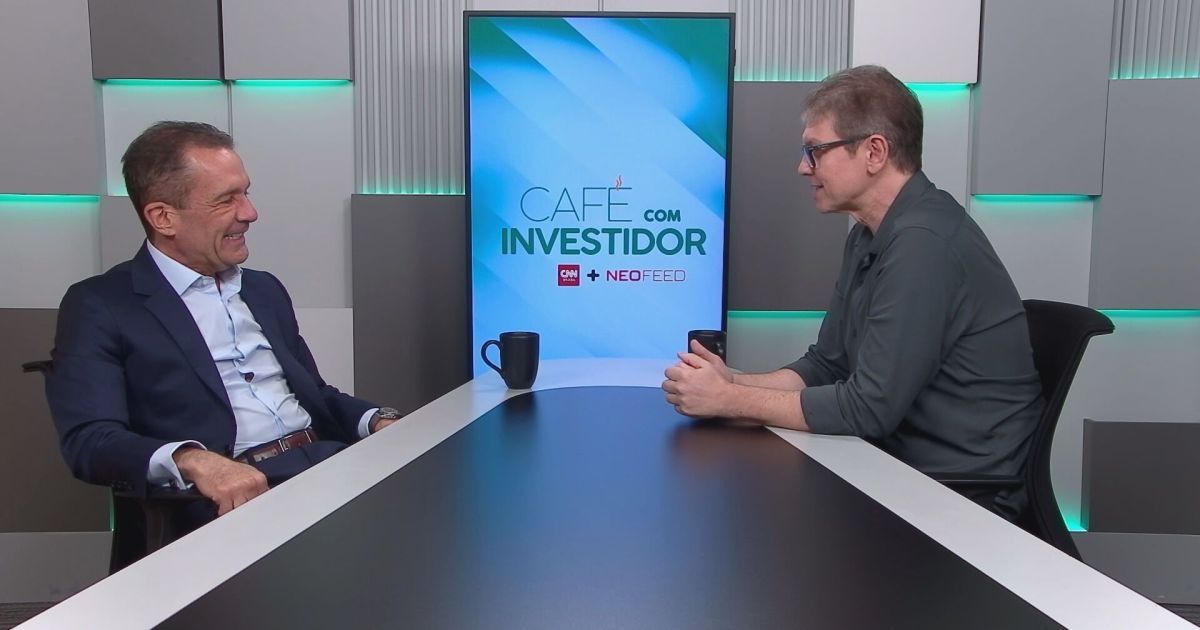
Speaking in an interview with CNN Money, Chief Executive Officer Jeane Tsutsui credited the positive results to commercial expansion across all business segments and disciplined control over operating expenses. Tsutsui said gross revenue rose by 13.3 percent and emphasised that this growth came from every single business line across the organisation.
Laboratory network and brand performance
The flagship Fleury brand, which reaches its centenary in 2026, posted an 8.9 percent increase in revenue for the third quarter. Over the first nine months of 2025, the brand recorded cumulative revenue growth of 11 percent.
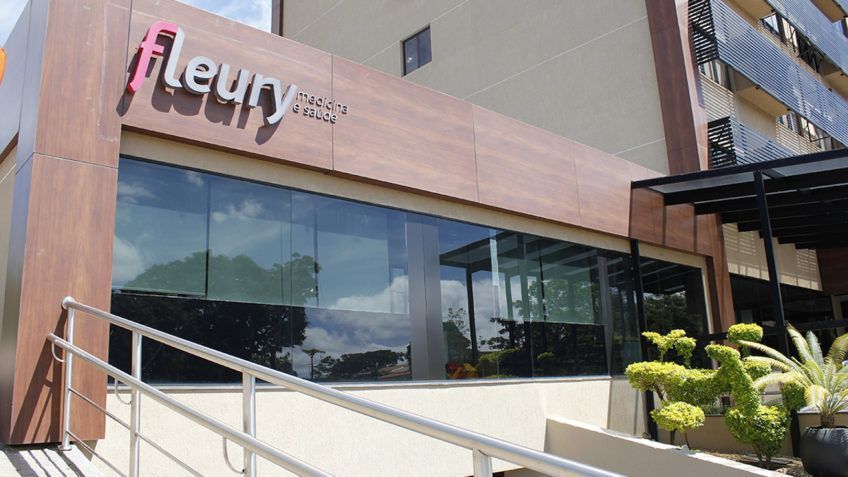
The group broadened its physical footprint through organic expansion and corporate acquisitions across its three primary state markets: Sao Paulo, Rio de Janeiro, and Minas Gerais. Founded in 1926 as a clinical pathology laboratory in Sao Paulo, the organisation has evolved over a century into one of Latin America's largest diagnostic medicine providers, conducting blood tests, diagnostic imaging, and specialised outpatient clinical exams.
In the business-to-business sector, the company expanded its Lab2Lab service by 12.7 percent during the third quarter. The wholesale platform connects Grupo Fleury to more than 9,300 partner laboratories across the country.
Under the Lab2Lab model, independent regional laboratories and clinics send patient samples to centralised facilities run by Grupo Fleury for specialised testing and analysis. Tsutsui pointed out that growth in the platform resulted from continuous investment in technical facilities, which reduced turnaround times for test results, strengthened commercial competitiveness, and attracted new corporate clients.
Economic resilience and debt levels
Addressing the macroeconomic backdrop of elevated interest rates, Tsutsui stated that the healthcare industry remains resilient in the face of financial pressure. She explained that growing public awareness regarding preventative healthcare, early disease diagnosis, and the routine management of chronic medical conditions provides steady underlying demand for diagnostic services.
Tsutsui acknowledged that wider macroeconomic conditions can affect national employment levels and consumer access to private supplementary healthcare plans. However, she stressed that Grupo Fleury continues to expand through both internal operations and external acquisitions.
In Brazil, supplementary healthcare refers to the private health insurance sector that covers tens of millions of citizens, where corporate policy enrolments closely track formal employment figures.
The company ended the third quarter with a net debt to EBITDA ratio of 1.0 times, a leverage level that corporate leadership views as healthy and appropriate given elevated borrowing costs. Tsutsui affirmed that the group maintains disciplined capital allocation alongside robust cash generation.
Digital services, genomics, and acquisitions
Looking forward, Grupo Fleury considers digital transformation to be a primary growth driver. Digital appointment scheduling has already been introduced across multiple brands within the company portfolio, with leadership planning to expand its availability during the coming year.
The group is also investing in genomics and precision medicine. These advanced diagnostic tests enable early detection of serious illnesses and help clinicians design targeted, personalised therapies for individual patients.
Tsutsui also identified oncology as an area of growing corporate focus. Demand for comprehensive cancer diagnostic testing is increasing steadily across Brazil as the country's demographic profile ages.
In corporate dealmaking, Tsutsui confirmed that the group concluded the purchase of FEMI and announced in October the acquisition of Unileb, a diagnostic medicine provider located in the Atibaia region of Sao Paulo state. Atibaia is an industrial and residential hub situated north of the Sao Paulo metropolitan area.
Grupo Fleury has executed 23 corporate acquisitions since 2017, including its landmark 2023 merger with rival diagnostic company Hermes Pardini. The combination with Pardini created one of the largest diagnostic networks in South America, significantly broadening the company's testing capacity. Tsutsui indicated that additional acquisitions remain possible, provided that potential target companies meet the group's strategic, cultural, and financial criteria.