Spanish philosopher Gustavo Bueno died ten years ago on August 7 2016, leaving a legacy of intellectual combat and system building that continues to provoke debate across the political spectrum in Spain.
Born in Santo Domingo de la Calzada in 1924, Bueno became one of the few contemporary Spanish thinkers to transcend academia and become a prominent public figure. A decade after his death, his extensive body of work attracts both intense admiration and strong opposition.
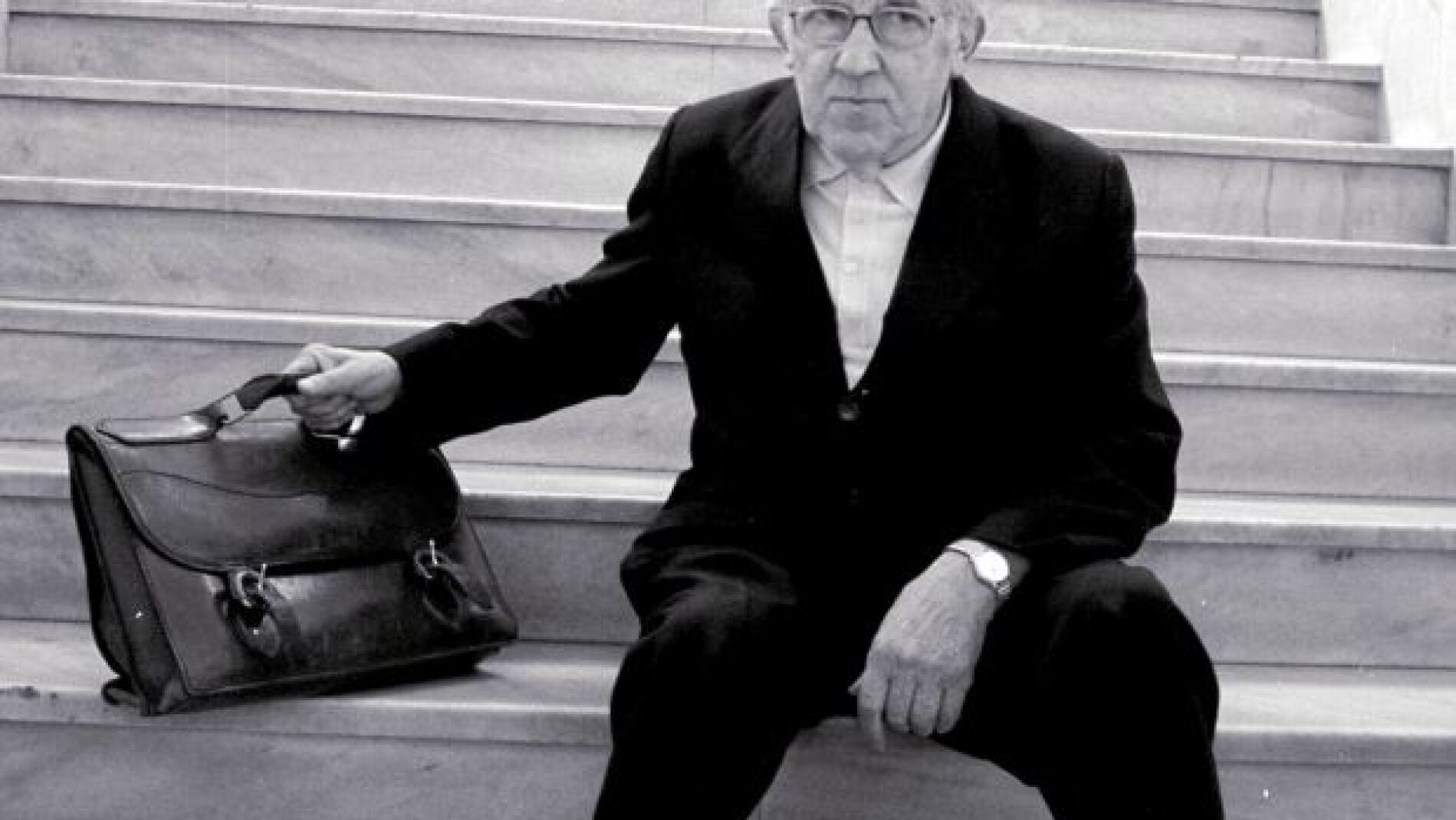
As the founder of philosophical materialism, Bueno rejected quick headlines and social media soundbites, maintaining that genuine thought requires time, systematic structure and rigor. Despite his distrust of simplification, his posthumous presence has flourished online, with recorded lectures and television appearances drawing hundreds of thousands of views on digital platforms.
Philosophical materialism and major published works
Bueno spent decades based in Oviedo, the capital of Asturias in northern Spain, where he held a professorship at the University of Oviedo. Over a long academic career, he constructed a monumental intellectual system covering epistemology, science, religion, television and national identity.
His major published works include books such as España frente a Europa (Spain Facing Europe), El mito de la cultura (The Myth of Culture) and El mito de la izquierda (The Myth of the Left). Rather than fading over time, the controversies sparked by these texts have intensified in contemporary Spanish political discussion.
Intellectual independence across the political spectrum
Bueno resisted conventional political labels throughout his career. While his ideas were claimed by varied ideological movements, no single faction could fully adopt his philosophy. He launched harsh critiques against dogmas of the contemporary left while simultaneously rejecting common assumptions within liberalism and conservative thought.
In a public arena often dominated by clashing slogans, Bueno viewed philosophy as a form of rational combat. He consistently prioritized logical argumentation over consensus and sought rigorous refutation rather than popular applause.
Enduring influence on Spanish society
A decade after his death, Bueno's influence remains active beyond the dedicated followers known as buenistas. His core inquiries continue to challenge Spanish society as debates persist over national unity, culture, identity and the social role of scientific knowledge.
While anniversaries typically serve to commemorate historic figures, Bueno's milestone highlights how foundational philosophical debates remain alive when formulated with sufficient depth.