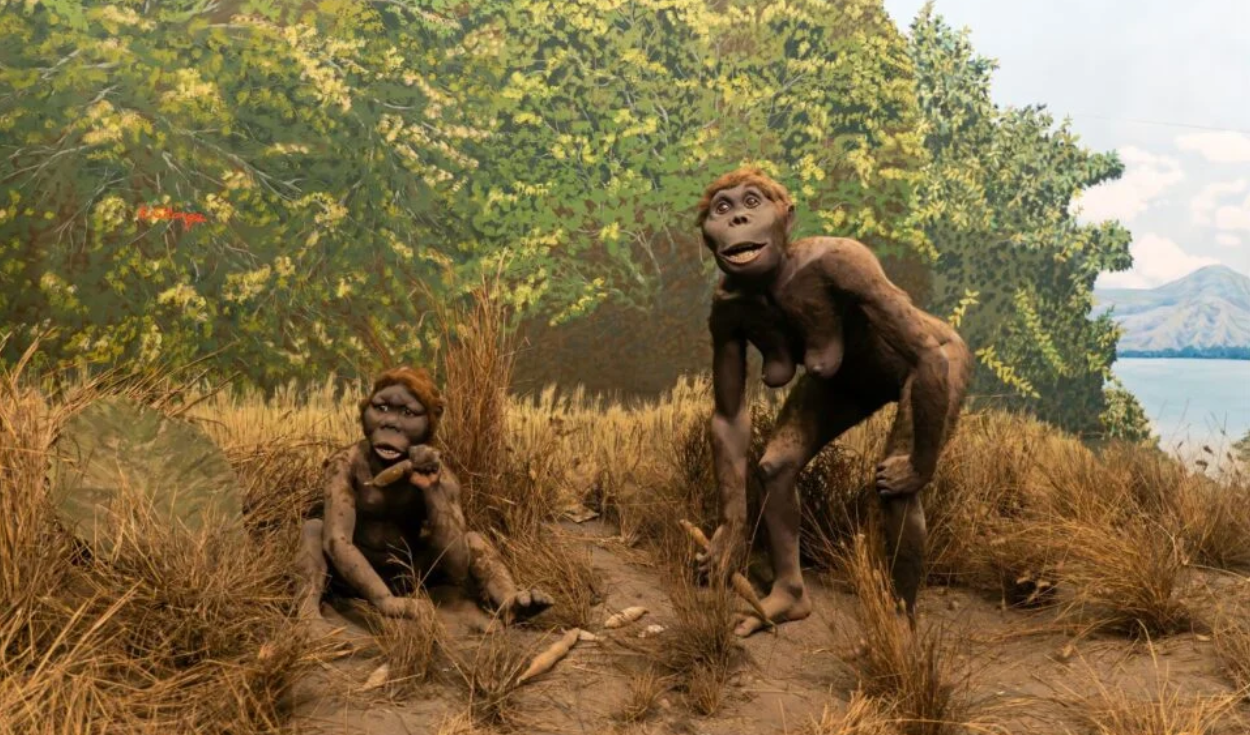
Researchers have discovered genetic traces of two unknown ancient hominin lineages in modern human DNA, according to a study published in the journal Science. Hominins are a group of primates that includes modern humans, extinct ancestors, and all species in our lineage.
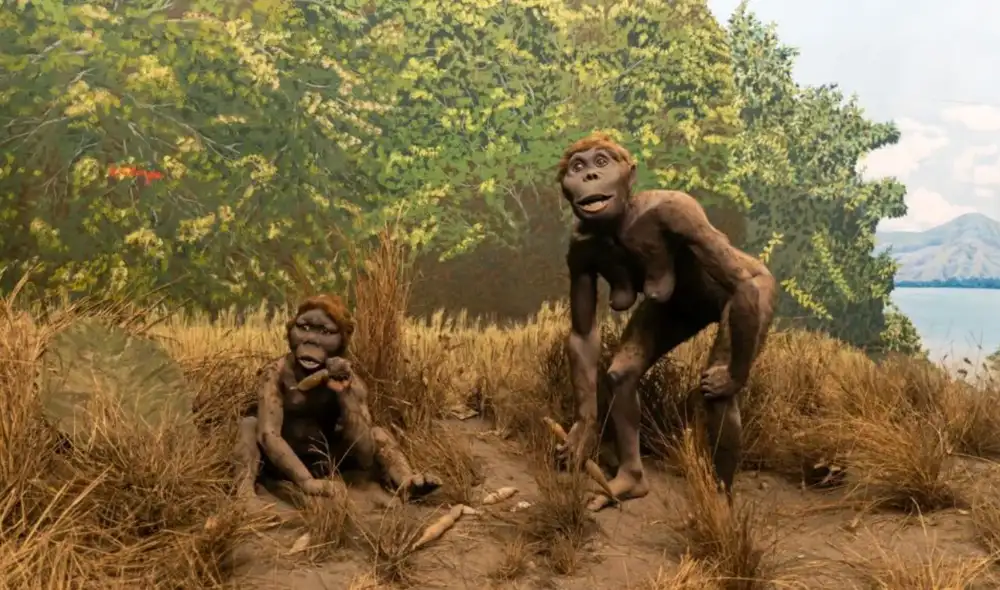
Neither lineage has been identified through fossil remains or ancient DNA, leading scientists to describe them as ghost lineages. The research team identified the ancestral ties by developing a computational tool called TRACE, short for TRacking Archaic Contributions via ARG Estimation, which reconstructs genealogical relationships from hundreds of modern genomes without needing fossil DNA.
First ghost lineage found in all modern humans
The new method detected an unknown human lineage that interbred with early Homo sapiens in Africa more than 50,000 years ago, before the major migration into Europe and Asia. Scientists determined that this group had separated from the human evolutionary tree about 800,000 years ago.
Researcher Yulin Zhang explained that earlier publications suggested ghost ancestry might exist in modern humans, but had not determined whether it was present only in Africans or when the interbreeding occurred. Zhang said the team identified genomic regions from this ghost lineage and confirmed the ancestry is present in all modern humans, estimating that each person retains between 0.5% and 1% of DNA from this ancient group.
Superarchaic group linked to immune system and metabolism
The study also identified a second, even older human group termed a superarchaic lineage, which originated approximately 1.8 million years ago. This group did not mix directly with Homo sapiens, but interbred with Denisovans in Eurasia, with portions of that DNA later entering our species when Denisovans interbred with modern humans.
Researcher Arjun Biddanda said the finding of the superarchaic lineage is especially exciting because it reveals genetic contributions from a human group that lived more than a million years ago, even without sequenced DNA from that population. Together, both lineages represent around 2% of the modern human genome, with many fragments located in regions tied to the immune system and metabolism.
Researcher Priya Moorjani noted that this pattern is not surprising because adapting to new pathogens and food sources was one of the strongest selective pressures in human evolution. Moorjani added that interbreeding with other human groups introduced new genetic variation for natural selection, allowing beneficial variants to spread across generations. The team hopes future studies of fossil proteins and additional human genomes will identify these mysterious hominins.