Dominican infielder Robert Puasón declared free agency on November 2, 2026, after completing seven minor league seasons without being added to a 40-man roster, the list of players a major league club protects from being signed away by rivals. Under Major League Baseball rules, players in that situation can file for release five days after the World Series ends. The move came while fellow Dominican Junior Caminero was still coming to terms with the Tampa Bay Rays' defeat in that World Series.
Minor league free agency is the mechanism that allows unprotected prospects who have spent at least seven seasons in the minors to sign with any of Major League Baseball's thirty teams, rather than remaining tied to the club that originally signed them.
The following day, outfielder Jasson Domínguez made his debut with the Águilas Cibaeñas, one of the most successful clubs in the Dominican Winter League, after completing a stretch of private training with Willie Otáñez.
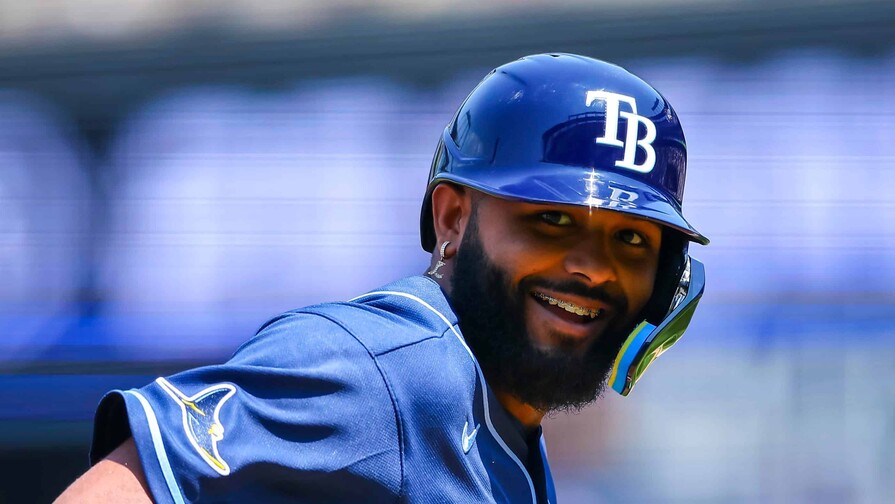
Puasón, Domínguez and Caminero all belong to the same signing class: the players who agreed bonuses during the July 2, 2019 international period, when MLB clubs sign mostly Latin American and Caribbean teenagers who are too young for the league's domestic draft. It was the last class before the COVID-19 pandemic forced a delay, pushing most of its debuts back to 2021. The Dominican Republic sends more players to Major League Baseball than any country outside the United States, and the bonuses handed out each July 2 have become a significant economic story on the island.
Puasón and Domínguez dominated the headlines at the time with signing bonuses of $5.1 million each, agreed with the Oakland Athletics and the New York Yankees respectively. Caminero's deal, with the Cleveland Guardians, barely registered: a bonus of just $87,500.
Diverging paths seven years on
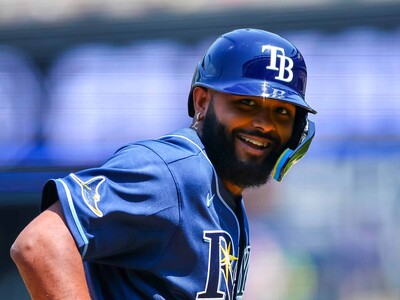
Seven years later, the picture has flipped. Caminero, once seen as having little chance of reaching the majors, is now a star with a contract worth more than $100 million and recently finished runner-up in Most Valuable Player voting.
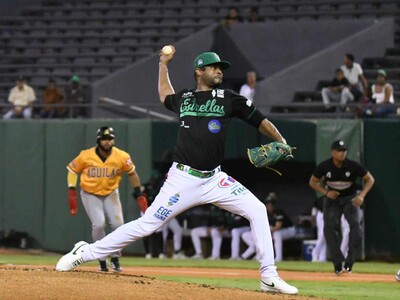
Puasón, whom the Athletics hoped would develop into an improved version of former All-Star shortstop José Reyes, known for his speed and mostly associated with the New York Mets, was cut as a hitter in 2024. A two-year experiment to convert him into a pitcher also failed to take off.
Domínguez, nicknamed "El Marciano" for an arsenal that includes power from both sides of the plate and speed on the bases, is still trying to win a regular role with the Yankees, one of the sport's most successful and demanding franchises, which is reportedly close to running out of patience with him.
A class that fell short
The wider numbers show how unusual Caminero's rise is. Ten players who signed in 2019, plus three more who signed in 2020 after the pandemic extended the signing period, have gone on to debut in MLB. That is out of 510 Dominican players recruited in the cycle, a success rate of just 2.5%.
That year produced 17 bonuses of at least $1 million. On the same day Puasón filed for free agency, three other players from that group did the same: John Díaz of the Rays, Adrian Plasencia of the Angels and Kevin Madé of the Cubs. Díaz and Plasencia had signed for $1.5 million each and Madé for $1.1 million, but none of the three advanced beyond Double-A.
Only two everyday starters
Of the 17 players who received bonuses of at least $1 million that year, only five remain active in professional baseball. Caminero and pitcher Eury Pérez are the only two to have become everyday major league starters. Adael Amador, Emmanuel Rodríguez and Deyvinson de los Santos are also part of that group and are still trying to establish themselves.
A costly class
Clubs spent a combined $88,413,300 to sign the 2019 class, the result of more than five years spent scouting the prospects beforehand. The outlay came as teams adjusted to hard caps on international signing bonus pools, introduced in Major League Baseball's 2012 collective bargaining agreement and tightened further in the 2016 deal. Those caps assign each club a fixed pool of money to spend on international amateurs each signing period, discouraging the record-setting bonuses common in earlier Dominican classes.
Not every class turns out this way. The 2015 Dominican signing class produced a debut rate of 10%, led by Juan Soto, Vladimir Guerrero Jr. and Fernando Tatis Jr., who have all gone on to sign some of the largest contracts in modern baseball and are regarded as three of the sport's biggest stars.
Test yourself
Who declared free agency on November 2, 2026, after seven minor league seasons?
What bonus did Junior Caminero sign for with the Cleveland Guardians?
What share of the 510 Dominican players signed in that cycle have reached MLB?
Have your say
Should MLB change how it handles international signing bonuses for young Dominican prospects?
Where it happened
Santo Domingo, Dominican Republic