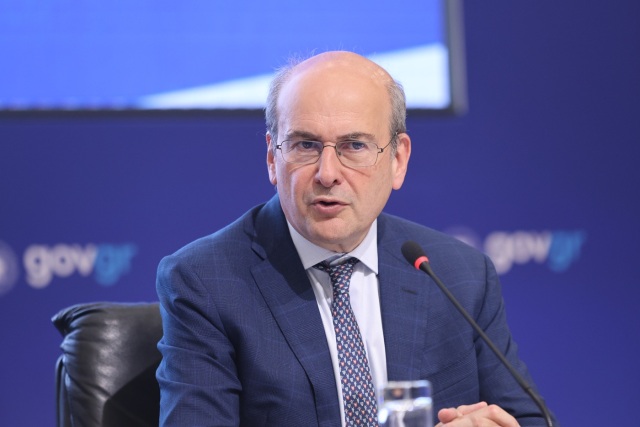
Russian occupation policy at the Zaporizhzhia Nuclear Power Plant has for a long time posed serious threats to nuclear safety, the Institute for the Study of War said, commenting on Ukraine's objection to the potential appointment of Russian official Alexey Ferapontov as a deputy director general of the International Atomic Energy Agency.
The Institute for the Study of War, a Washington-based think tank that publishes daily assessments of the war in Ukraine, made the remarks in its latest report after the Ukrainian government lodged a formal protest against the proposed appointment.
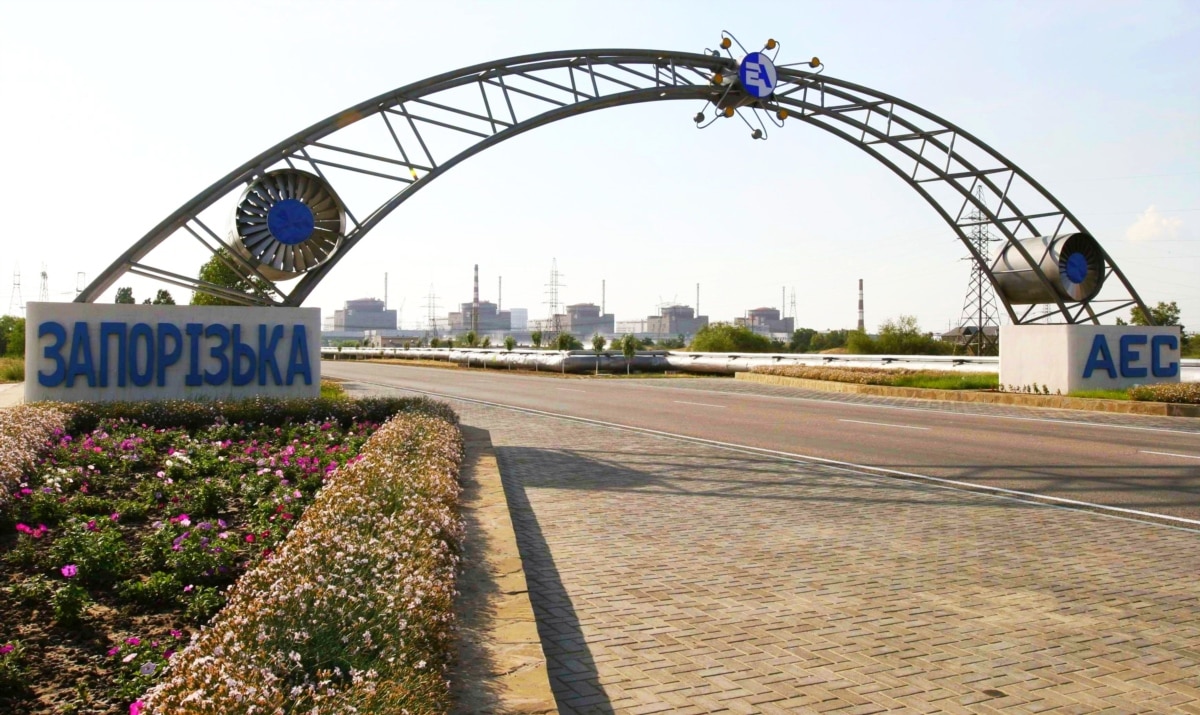
The institute's analysts said the Russian occupation administration at the Zaporizhzhia plant, including Russia's nuclear regulator Rostechnadzor, has long pursued a policy that creates serious threats to nuclear safety at the site. They noted the facility is used as a military base, where Russian forces station equipment and from which they launch drone strikes.
Russian Control Of The Plant
The Zaporizhzhia Nuclear Power Plant, Europe's largest nuclear facility, has been occupied by Russian forces since the early stages of Russia's full-scale invasion of Ukraine. The analysts said Russia exploits the plant's protected status, since Ukrainian forces cannot strike it because of the risk of a radiation accident.
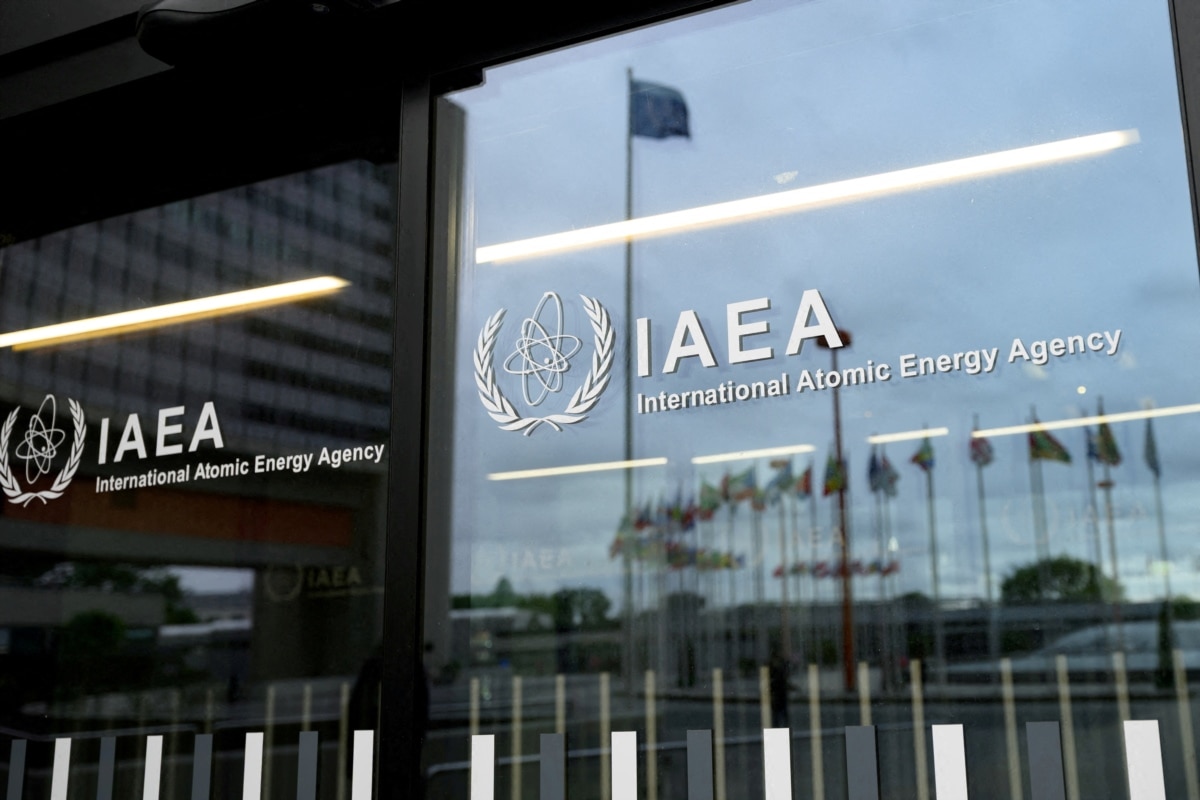
The institute said the International Atomic Energy Agency, the United Nations' nuclear watchdog, continues to play a key role in monitoring nuclear safety in Ukraine, particularly given increasingly dangerous and reckless Russian strikes on Ukrainian energy infrastructure, which have caused instability in power supply at other Ukrainian nuclear plants.
On November 19, the IAEA said that Russian strikes near the Khmelnytskyi, Rivne and South Ukraine nuclear plants had forced agency experts to take shelter. The agency said grid instability, likely caused by the Russian strikes, led to power fluctuations at reactor units operating at several Ukrainian nuclear plants.
The institute recalled that Russian authorities have long tried to use their influence within the IAEA to secure international recognition of Russian control over the Zaporizhzhia plant, thereby de facto legitimizing Russia's occupation of part of Zaporizhzhia region. It said Ferapontov's appointment as a deputy director general could give Russian authorities additional leverage over the organization at a time when its role as an independent guarantor of nuclear safety in Ukraine is critically needed.
Ukraine's Protest
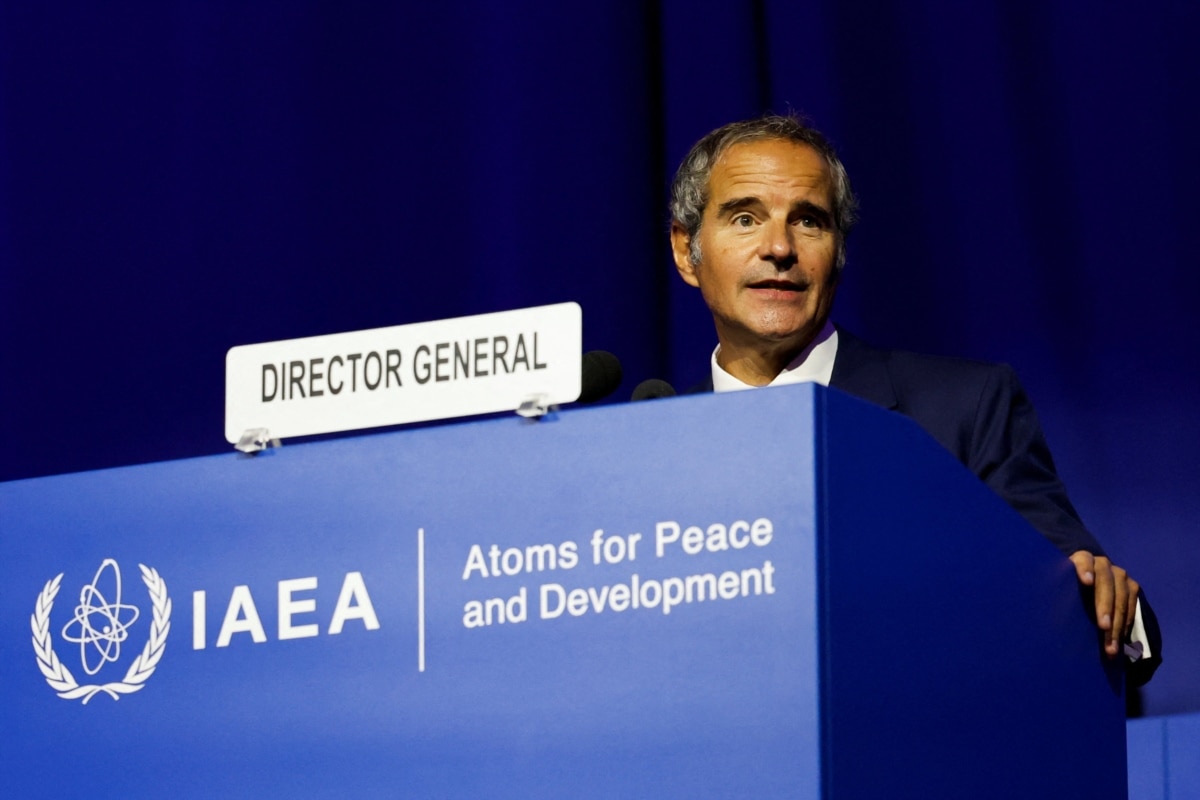
A day earlier, on November 24, 2026, Ukraine's Ministry of Foreign Affairs and Ministry of Energy issued a joint statement condemning a decision by IAEA Director General Rafael Grossi to appoint Ferapontov, deputy head of Russia's Federal Service for Environmental, Technological and Nuclear Supervision, known as Rostechnadzor, as a deputy director general of the agency.
Foreign Minister Andrii Sybiha called the appointment absurd and a sign of weakness and a lack of values. He said he had instructed Ukrainian diplomats to convey Kyiv's position through an official démarche and a note of protest.
Grossi's Response
Grossi said on November 18 that the appointment was a personnel matter that fell within the director general's competence, and concerned a professional who happened to be Russian. He added that attempts to draw geopolitical conclusions from the move were mistaken.
Ferapontov was not listed among the IAEA's deputy directors general on the agency's website at the time of the report.
Sanctions And Background
In February 2023, Ukrainian authorities imposed sanctions on Ferapontov over his involvement in Russia's illegal occupation and management of the Zaporizhzhia plant.
According to media reports, Grossi had earlier proposed in a letter to members of the IAEA's Board of Governors that Ferapontov be appointed one of the agency's deputy directors general. Ferapontov appeared on a list of candidates for leadership positions alongside two other people.
On November 17, the environmental group Greenpeace called on Grossi to immediately abandon plans to appoint Ferapontov, noting that he is under Ukrainian sanctions and made what it called a working visit to the occupied Zaporizhzhia plant in 2024.
Test yourself
Who did the IAEA reportedly propose appointing as a deputy director general?
According to ISW, how does Russia use the Zaporizhzhia plant's protected status?
How did Ukraine's foreign minister describe the proposed appointment?
Have your say
Should the IAEA proceed with Alexey Ferapontov's appointment as deputy director general?
Where it happened
Enerhodar, Ukraine