Russia's Soviet-era "milk kitchen" program, which gives free dairy products, formula and baby food to pregnant women, nursing mothers and young children, is no longer available in every region of the country in 2026, according to Nadezhda Kapustina, a professor at the Financial University under the Government of the Russian Federation.

Distribution points typically hand out milk and fermented milk products, though juice is also available. Kapustina told Lenta.ru that the program is a legacy of the Soviet healthcare system, a form of targeted social support meant to ensure full nutrition for the most vulnerable groups of the population.
A Soviet-era institution
Free infant food in Russia dates back to the start of the 20th century, when the charity "Drop of Milk" opened in St Petersburg in 1901 to help premature babies. The program's real growth came during the Second World War, when milk kitchens attached to children's clinics helped keep children alive and healthy. After the war, kitchens began giving out their own cottage cheese, yogurt and formula.
In 1989, Russia's Institute of Child Nutrition helped standardize production of adapted formula and weaning foods at more than 40 plants, including Bellakt, Nutricia and Sibaykonservmoloko, overseeing everything from raw-material checks to finished products reaching distribution points.
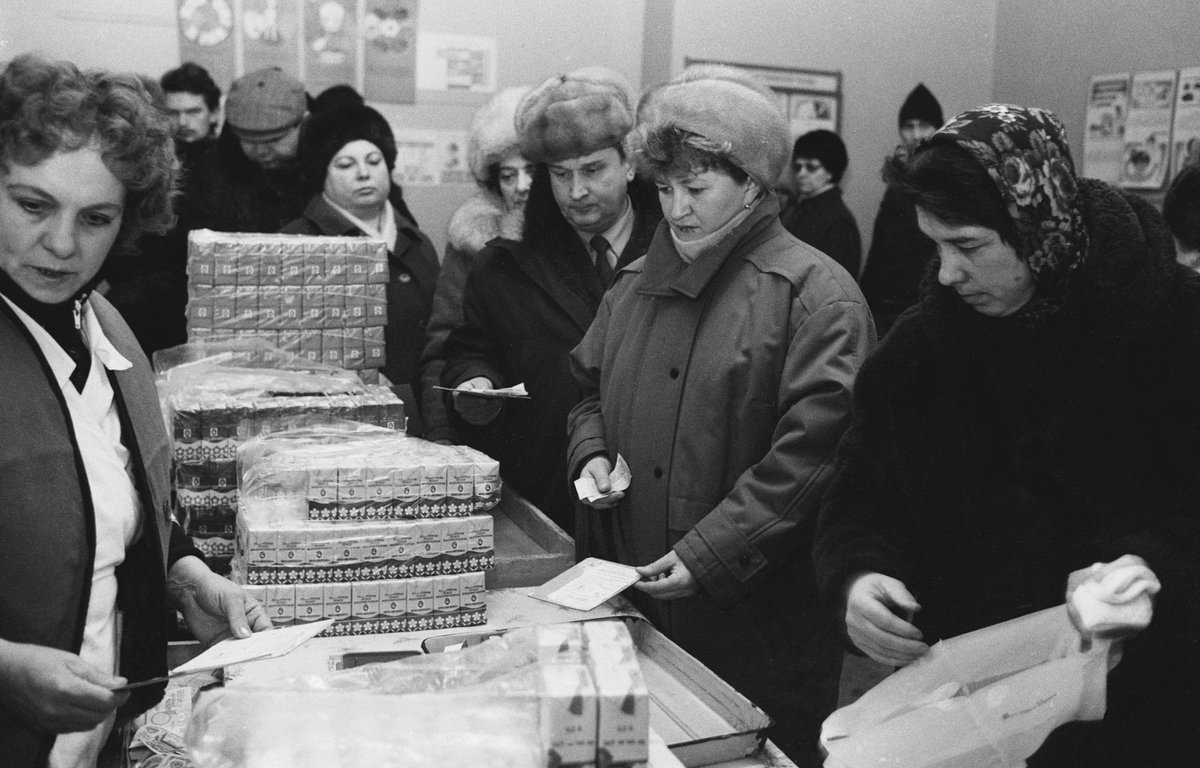
After the Soviet collapse, kitchens were allowed to distribute factory-made goods instead of preparing their own, turning most into plain handout points. In the early 2000s, responsibility shifted to regional governments, which effectively scaled back the program since maintaining distribution points and logistics required large budgets. Some regions replaced the benefit with cash payments instead.
Who can receive free food
Eligibility depends on the region, but can include pregnant women registered with an antenatal clinic before 12 weeks, nursing mothers for six months after birth, children under 3, children under 7 in large families, children aged 3 to 15 with chronic illnesses, and disabled children aged 3 to 18.
Food is usually issued weekly or monthly, and a month's supply can weigh up to 10 kilograms in Moscow. Only the eligible person or their legal guardian can collect it; other relatives need a formal power of attorney.
How to apply
Parents cannot simply walk in during pregnancy or with a child and ask for food. They first need an official referral: an obstetrician-gynecologist issues it for pregnant women, while a pediatrician at the family's local clinic does so for children. Each region decides independently which products and quantities to hand out to each category.
Moscow's system
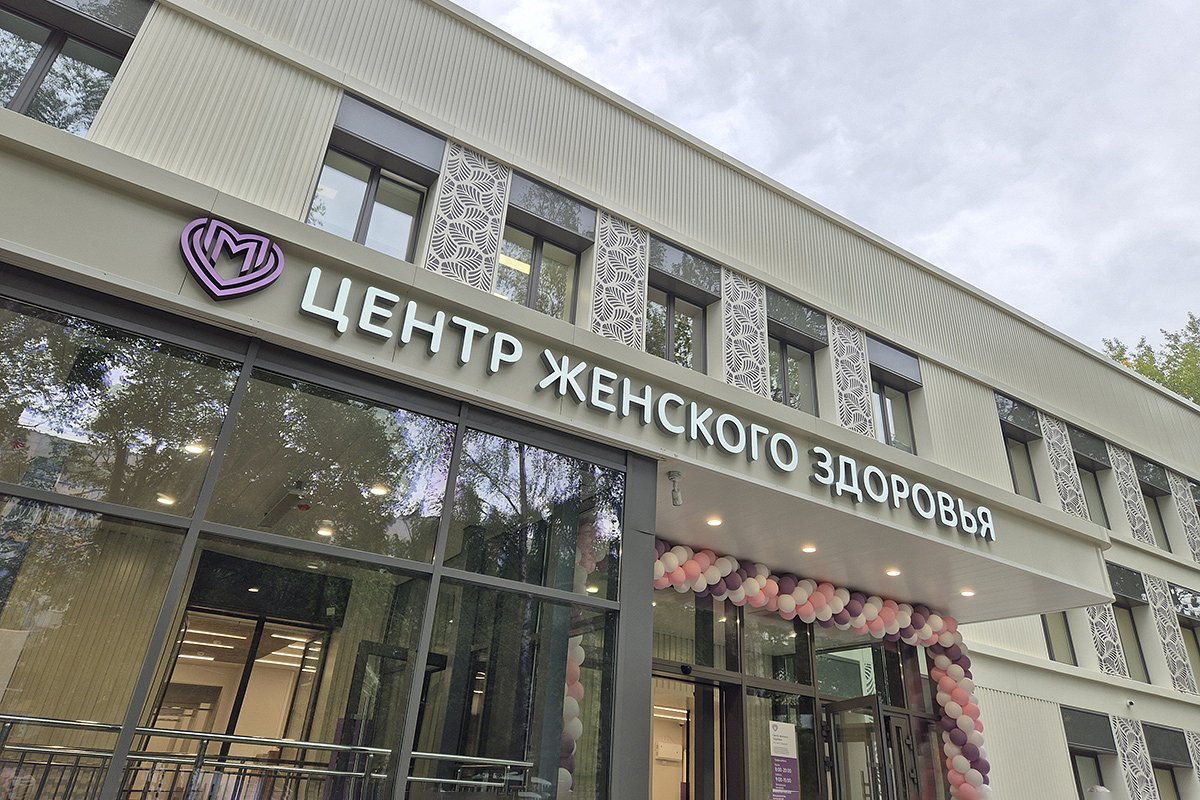
Moscow runs the most developed network and requires permanent registration in the city, though attachment to a city clinic is not strictly necessary. Parents attached to a Moscow clinic get a doctor's certificate, then submit a one-time application through the mos.ru portal with their passport, mandatory health insurance policy, the child's birth certificate and proof of any eligibility status, such as a large family.
Orders then have to be placed every month through mos.ru, EMIAS.INFO or the My Electronic Medical Record service, choosing a pickup point, date and time, by the 15th of the month, since that is when the QR codes needed for pickup are generated. Missing the deadline forfeits that month's food, and orders cannot be made early or backdated. Moscow's distribution points open daily from 6:30am to 3pm, with a lunch break from 12:30pm to 1pm.
Parents not attached to a city clinic must file a paper application with the head of their local antenatal clinic or polyclinic, attach the same documents plus an extract from their outpatient record, and wait for approval before handing a paper certificate to their chosen pickup point each month.
What Moscow provides
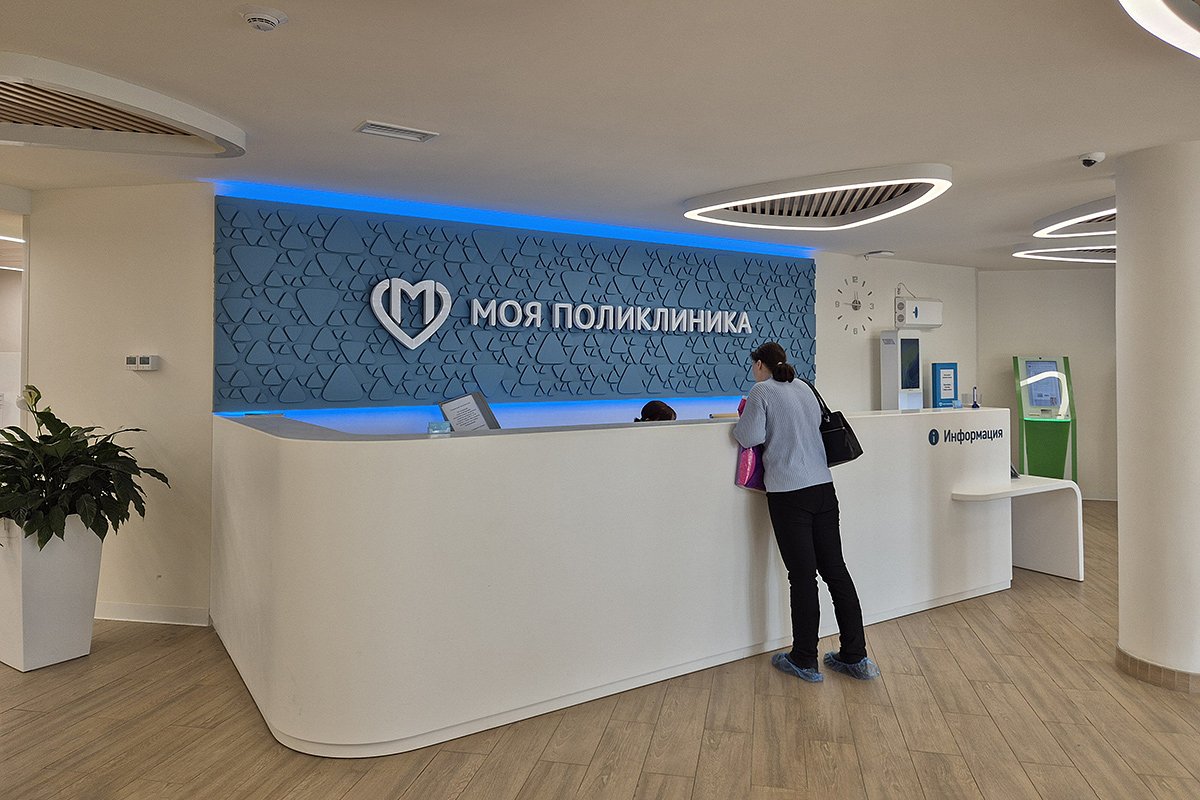
Pregnant women in Moscow are entitled to 9 liters of milk and 4 liters of fortified juice a month. Nursing mothers get 12 liters of milk and 4.5 liters of juice. A mother breastfeeding twins receives one set for herself and a second as though the second infant were on mixed feeding. Mothers can keep receiving their own set until the child turns six months old.
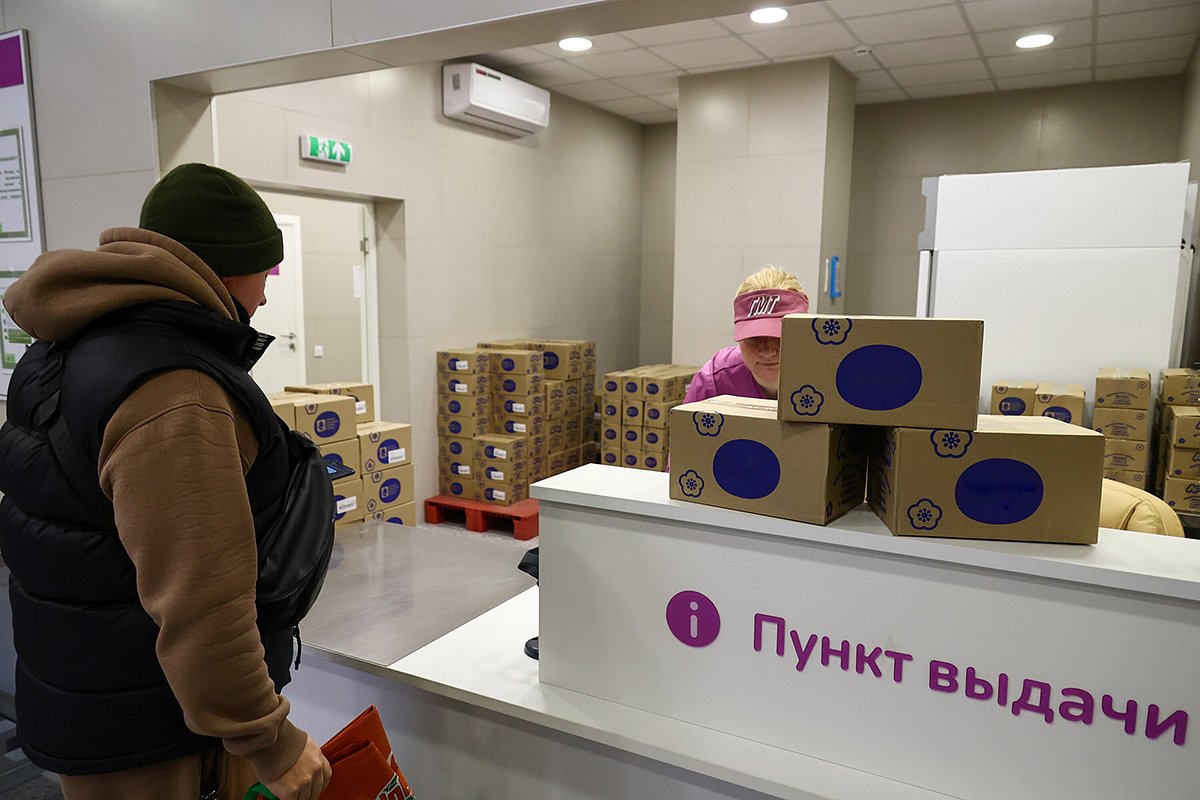
Breastfed babies do not get their own products until six months, since the mother receives them instead. Formula-fed infants aged 0 to 3 months get only dry and liquid formula, with fruit and vegetable purees and juice added from 4 months.

The set changes again once a child turns six months old, and meat-vegetable and meat purees are added at 8 months.


Formula continues to be issued between 6 and 12 months regardless of feeding type. Children aged 1 to 3 add kefir and cottage cheese to their set. Children under 7 from large families, disabled children and children with chronic illnesses in other eligible categories can receive 18 liters of milk a month.
How other regions differ

Not every region matches Moscow's offering. In Yekaterinburg, electronic prescriptions must be renewed every month with a local pediatrician. Babies under seven months get dry formula only if the mother lacks breast milk; those aged 8 months to a year get kefir, cottage cheese and milk with no conditions beyond the prescription; children aged 2 to 3 qualify only if they do not attend daycare and family income is below the subsistence minimum. Mothers of babies under three months can also get a lactation-boosting mix for themselves.

In Kazan, products go only to families with income below the subsistence minimum, children with a chronic illness such as iron-deficiency anemia, or children affected by HIV, and the referral must be renewed monthly. Children under 6 months get liquid formula; those aged 6 to 12 months get formula, milk, cottage cheese and kefir; those aged 1 to 3 get milk, cottage cheese and kefir.

Nizhny Novgorod gives free food to children under 12 months in families earning up to twice the regional subsistence minimum, and to children aged 1 to 2 in families earning up to one subsistence minimum, with different combinations of formula, porridge, cottage cheese and kefir, including hypoallergenic options for children with a cow's-milk-protein allergy.
Cash instead of food
Some regions do not run milk kitchens at all. The Moscow region scrapped distribution in 2020 and replaced it with a monthly payment available to all permanent residents regardless of income: 400 rubles for pregnant women, 1,000 rubles for nursing mothers, 1,000 rubles for children under a year, and 600 rubles for children aged 1 to 3. Residents can apply through the mosreg.ru portal or a local social protection office with a passport, application and birth certificate or pregnancy confirmation.
Kapustina said dairy kitchens in parts of Siberia and the Far East are often replaced by cash compensation or targeted payments because of the difficulty of delivering perishable products and a shortage of specialized production facilities in those regions. In some regions, such as Bashkortostan, qualifying for in-kind food still requires low-income status.
Test yourself
Until what age of her child can a Moscow mother keep receiving her own milk kitchen set?
When did the Moscow region replace milk kitchen food distribution with cash payments?
In Kazan, besides medical need, what can qualify a family for milk kitchen products?
Have your say
Should regions without milk kitchens replace free food with cash payments, or try to restore in-kind food distribution?