Brazilian fast-food chain Habib's had its judicial recovery request approved by the Sao Paulo Court of Justice on Wednesday, August 26, 2026.
The company presented total liabilities of more than 265 million reais in its court filing.
Judicial recovery is a court-supervised corporate restructuring mechanism under Brazilian law that protects distressed companies from debt collection while they reorganize operations and attempt to avert bankruptcy.
The current financial crisis follows post-pandemic challenges for the restaurant operator. Lower foot traffic in physical stores, combined with the expansion of delivery mobile applications and changing consumer habits, intensified market competition and compressed company profit margins.
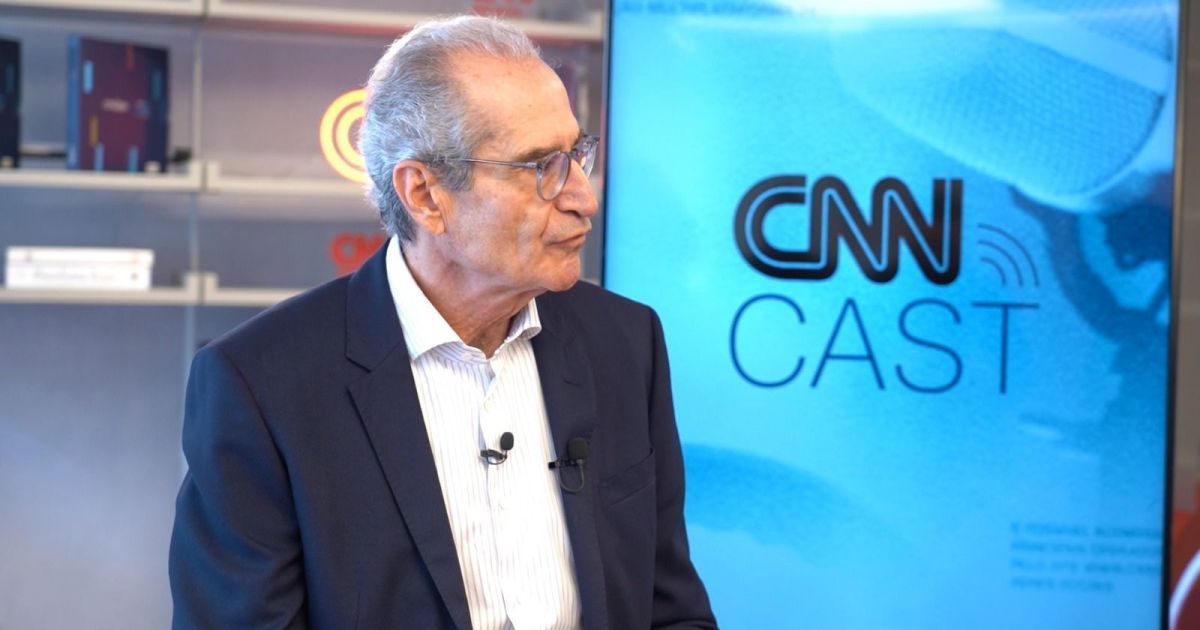
Tax lawyer Bruno Medeiros Durao, founder of Durao Almeida & Pontes Advocacia, told CNN Money that judicial recovery can serve as a vital tool to reorganize corporate operations before a financial crisis permanently impairs a business. Medeiros Durao said the principal challenge is not merely negotiating debt terms, but demonstrating that an operational business capable of remaining viable after renegotiation exists. He noted that severe debt becomes unsustainable when it absorbs the capital required to keep everyday operations functioning.
Debt structure and legal proceedings
Before submitting its judicial recovery request in 2026, Grupo Gennius obtained a protective injunction from the Sao Paulo Court of Justice. That measure suspended debt collections and enforcement actions for 60 days while the group held negotiations with creditors. In those court proceedings, reported liabilities exceeded 300 million reais, concentrated heavily in financial institutions.
Following the court approval, the company must restructure bank debts alongside tax, operational, and supplier liabilities. Adriano Almeida, a partner at Durao Almeida & Pontes Advocacia, said a proper diagnosis must evaluate all corporate liabilities together. Almeida stated that one of the largest mistakes made by companies in crisis is addressing individual debts in isolation. He emphasized that restructuring must encompass the entire financial ecosystem of the business, including bank debts, tax obligations, supplier commitments, contracts, and cash flow.
The present restructuring comes after earlier legal troubles. In 2014, Habib's faced an investigation into alleged tax evasion across the states of Sao Paulo and Minas Gerais. Prosecutors handling the investigation stated at the time that the company forced franchisees to use an electronic software system to hide sales revenue. The chain resolved the matter by agreeing to pay its tax debts in installments, which led to the suspension of the investigation.
Five decades of cheap esfihas
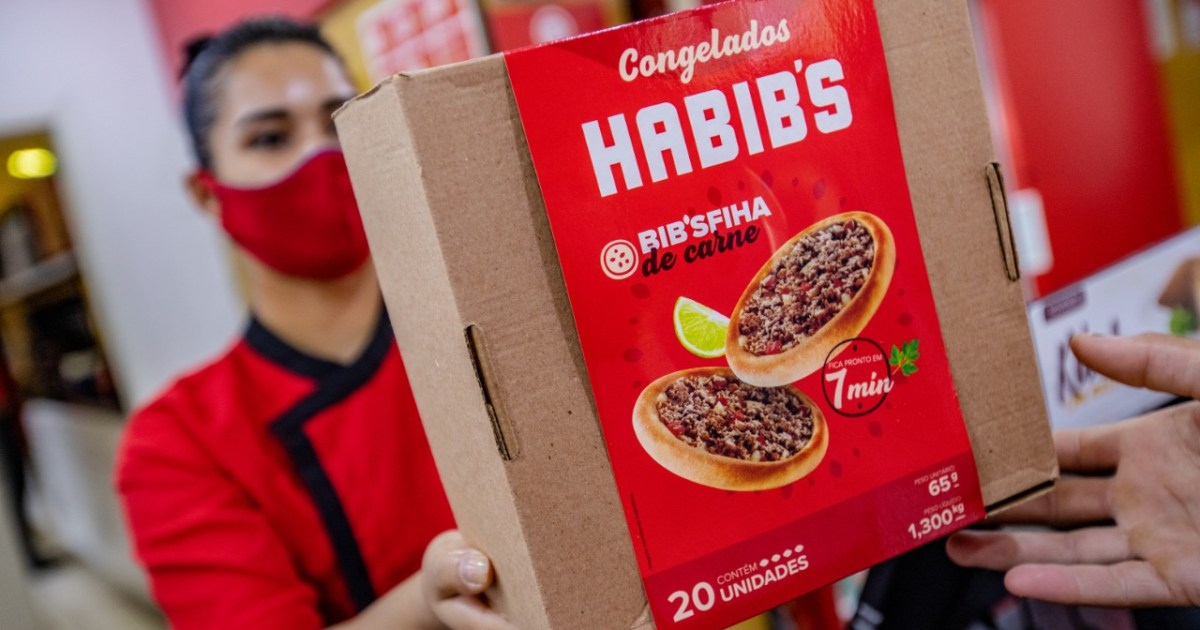
The court application contrasts with the trajectory of a company built on low-margin retail volume. The enterprise originated in 1973 when 19-year-old medical student Alberto Saraiva took over his family bakery. Years later, after acquiring a diner, Saraiva met chef Paulo Abud, an expert in Arab culinary recipes including esfihas, kibbeh, and hummus. Esfihas are Middle Eastern flatbread pastries topped with seasoned meat or cheese that became the flagship item of the chain.
Saraiva opened the first official Habib's location in 1988 on Cerro Cora Street in the Alto da Lapa neighborhood of Sao Paulo. Four years later, in 1992, the enterprise initiated expansion through franchising, bringing the brand to other regions across Brazil.
Over the years, Habib's implemented a verticalized operational model, controlling multiple stages of production internally to suppress overhead costs. That strategy powered long-running promotional campaigns, such as selling esfihas for 0.50 reais each and offering all-you-can-eat esfiha rotations for 9.90 reais.