

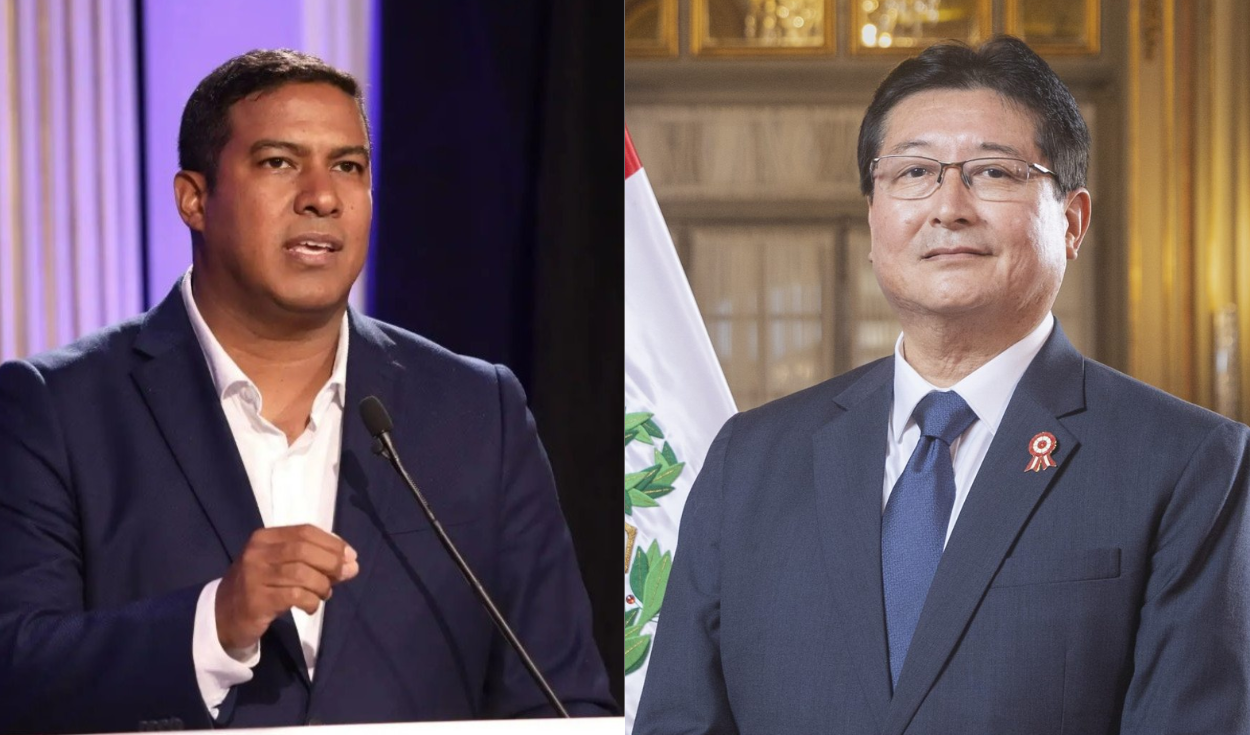
Peru's opposition caucus Juntos por el Perú has withdrawn its interpellation motion against Energy and Mines Minister Guillermo Shinno Huamaní in Congress.
Caucus spokesperson Ernesto Zunini confirmed the decision, explaining that lawmakers pulled the document just one day after filing it. The group decided to reformulate the questioning alongside rival political caucuses Obras and Ahora Nación to present a united front against the executive branch.
Interpellation withdrawal and joint strategy
Zunini stated that the temporary withdrawal was aimed at reviewing the proposed questions with greater care, rather than shelving the complaint against the minister. He insisted that pulling the motion does not mean the underlying issue has disappeared or that the situation is trivial.
The planned questioning of Shinno focuses on recent increases in fuel prices across the country and the executive branch's response to ongoing transport workers' strikes. Despite the temporary removal of the interpellation document, the caucus noted that social demands regarding fuel costs and transport disruptions remain active in Peru.
Zunini added that Juntos por el Perú aims to build consensus with other political forces before submitting a definitive motion. This coordinated approach is intended to prevent separate parliamentary caucuses from filing fragmented requests against the same government official.
Juntos por el Perú is a left-wing political coalition and parliamentary caucus in the Congress of the Republic of Peru. In Peruvian legislative practice, congressional caucuses, known as bancadas, often use interpellations as primary instruments of legislative oversight against cabinet officials.
Parliamentary oversight and executive response
In Peruvian constitutional law, an interpellation is a formal mechanism in the unicameral Congress that allows lawmakers to summon cabinet ministers to answer a specific questionnaire. If Congress finds a minister's explanations unsatisfactory, lawmakers can subsequently initiate a motion of censure that may force the minister's resignation.
The decision by Juntos por el Perú to step back came after politician Juan Sheput criticized the number of interpellations promoted by the caucus, describing the series of parliamentary motions as exaggerated.
Zunini also highlighted recent statements from the prime minister, who offered to appear before Congress as many times as necessary to provide official explanations. The spokesperson said the caucus would take the prime minister at his word and treat the offer as a binding commitment.
The Ministry of Energy and Mines regulates Peru's petroleum, natural gas, electricity, and mining industries. Fuel price fluctuations frequently trigger political friction in Peru, where commercial transport operators and domestic freight fleets depend heavily on stable fuel costs.
Active interpellations and defense oversight
With the withdrawal of the motion against Shinno, Zunini confirmed that only one formal interpellation submitted by Juntos por el Perú remains active before Congress. That motion targets Defense Minister Rafael Belaúnde over the government's deployment of public security forces in the northern province of Pataz.
The caucus had previously registered a third interpellation proposal targeting the Minister of the Interior. Following the withdrawal of the Energy and Mines filing, Juntos por el Perú is concentrating its immediate parliamentary pressure on two main tracks: advancing the formal proceeding against Belaúnde and preparing a revised joint motion against Shinno.
Pataz, located in the La Libertad department of northern Peru, is a major gold-producing region that has seen increased deployments of military and police forces to maintain public order and address illegal mining operations. Government security strategies in the region have drawn intense debate among congressional opposition groups.


