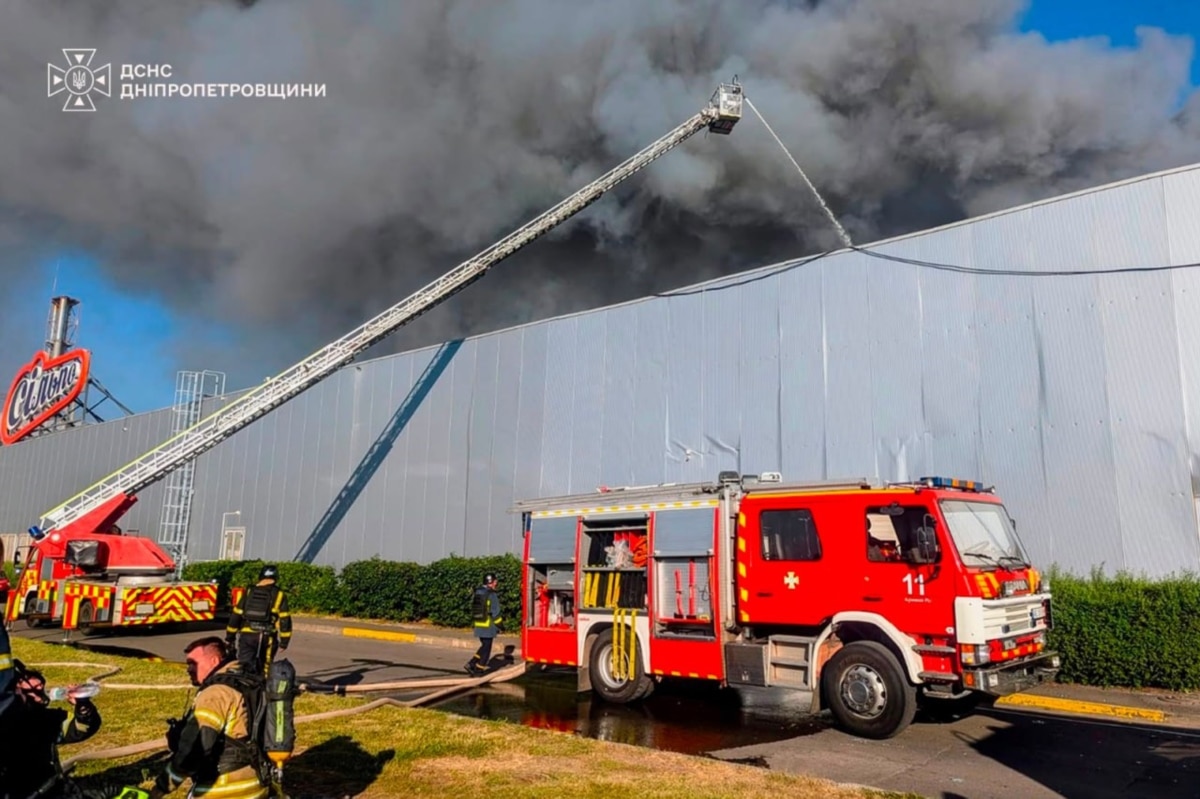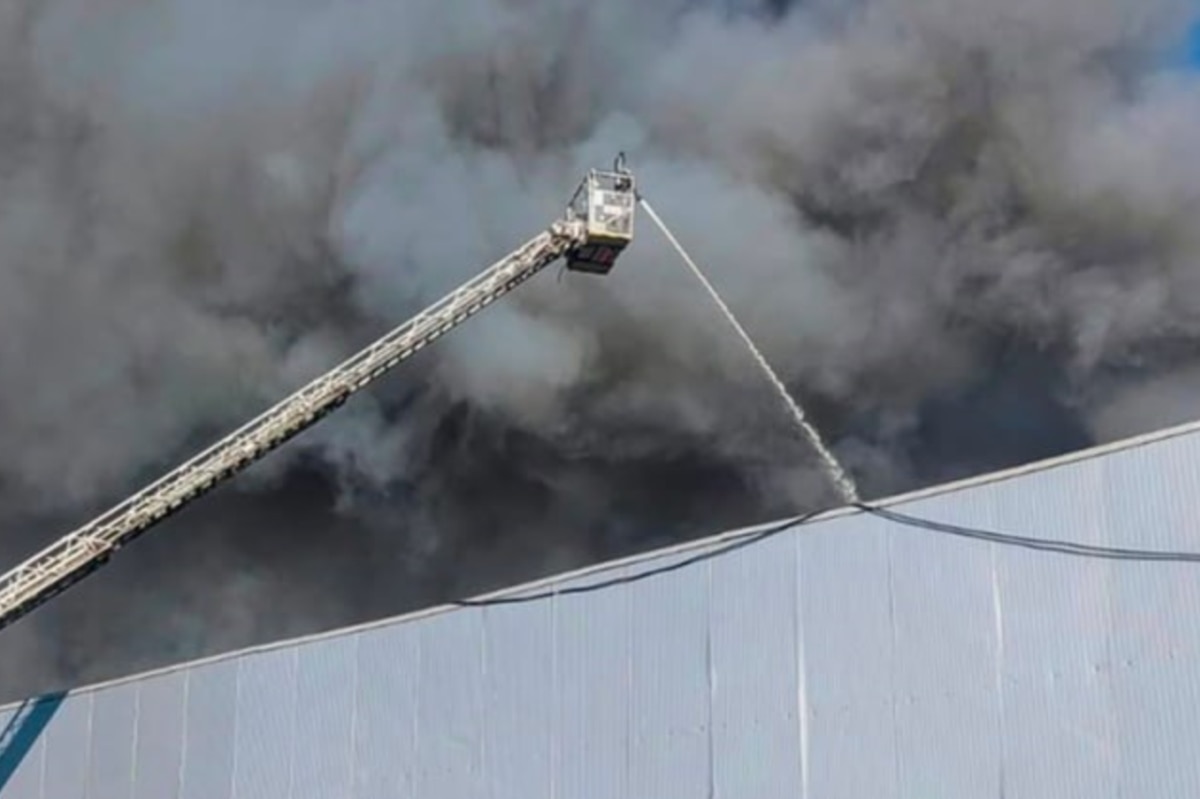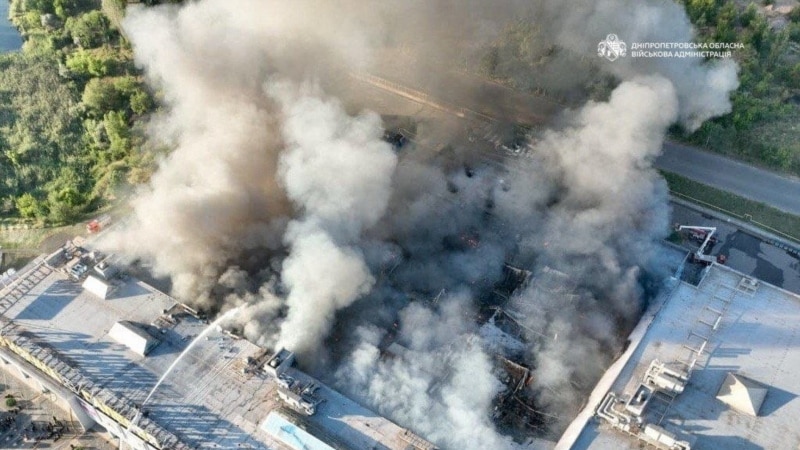
EU foreign policy chief Kaja Kallas called for increased pressure on Moscow on August 22 after a Russian strike hit a Kryvyi Rih shopping centre.
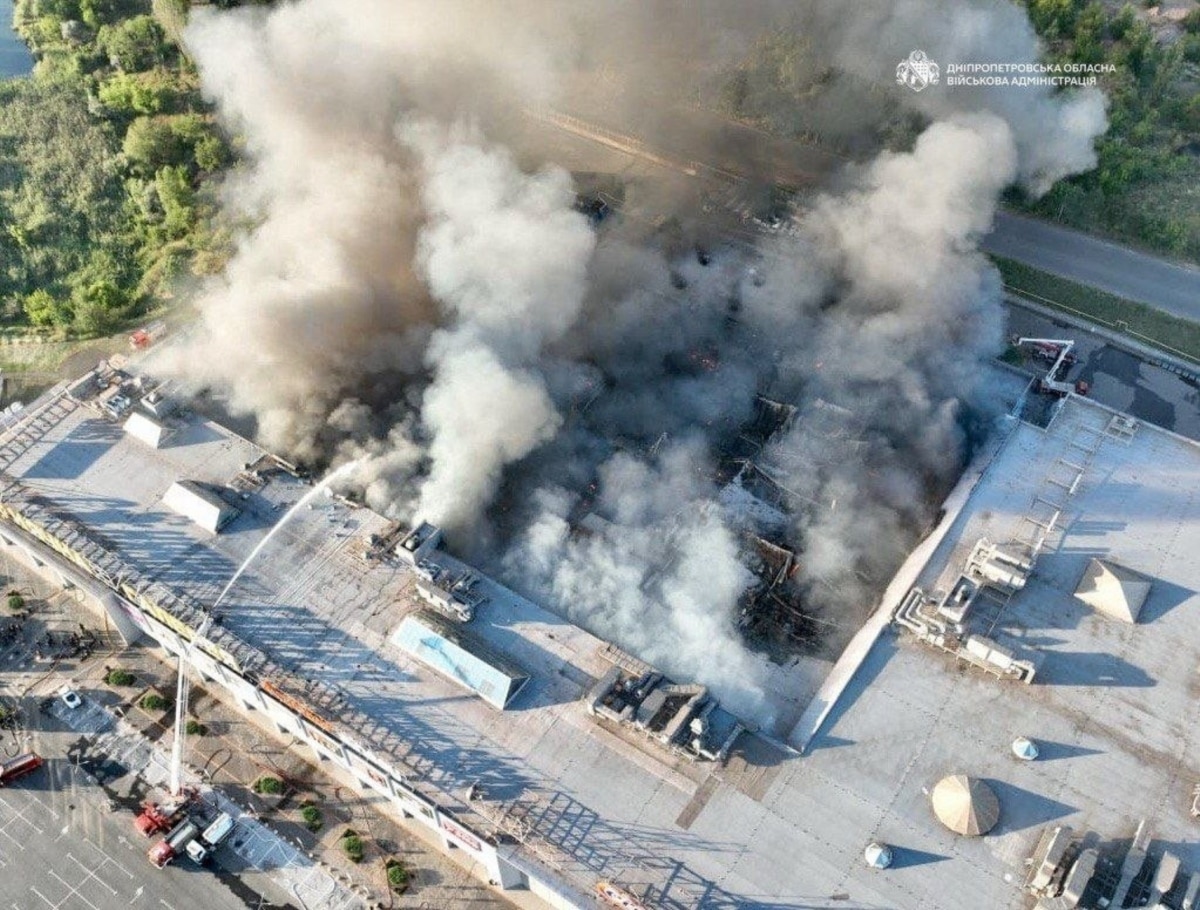
Kallas described the attack as deliberate terror intended to make Ukrainian cities uninhabitable for residents. She stated that the strike demonstrated the absolute and total immorality of Moscow's war effort.
The diplomat reminded European officials that she is proposing the most far-reaching sanctions package against Russia since the full-scale conflict began. She insisted that political and economic pressure must continue to escalate until Moscow stops its military aggression.
Casualties and Emergency Response
Ukrainian President Volodymyr Zelenskyy reported earlier on August 21 that emergency services had extinguished the fire at the strike site. According to the latest official figures, 16 people were killed in the attack and 130 others were injured.
Kryvyi Rih is a large industrial city in the Dnipropetrovsk region of central Ukraine, renowned for its steel production and iron ore mining. The city is also the birthplace of President Zelenskyy and has faced recurring Russian aerial attacks throughout the war.
EU Support and Defense Talks
Foreign and defence ministers from European Union member states will gather to discuss expanding assistance to Kyiv. Kallas explained that the upcoming talks will focus specifically on bolstering Ukrainian air defence and missile defence capacity.
The informal ministerial meeting is scheduled to take place in Dublin from September 3 to September 4. European officials plan to evaluate strategic military supplies and refine economic sanctions during the host sessions in Ireland.
Kallas, a former prime minister of Estonia, assumed office as the EU High Representative for Foreign Affairs and Security Policy in 2024. The 27-nation European Union has provided substantial financial, humanitarian, and military support to Ukraine while enacting targeted trade and financial restrictions against Moscow.
Air Defense Demands
Ukrainian officials have repeatedly asked Western allies for additional air defence batteries to shield urban centers from missile bombardments. Missile strikes on non-military infrastructure like commercial complexes have repeatedly drawn condemnation from international leaders and renewed calls for international sanctions.