

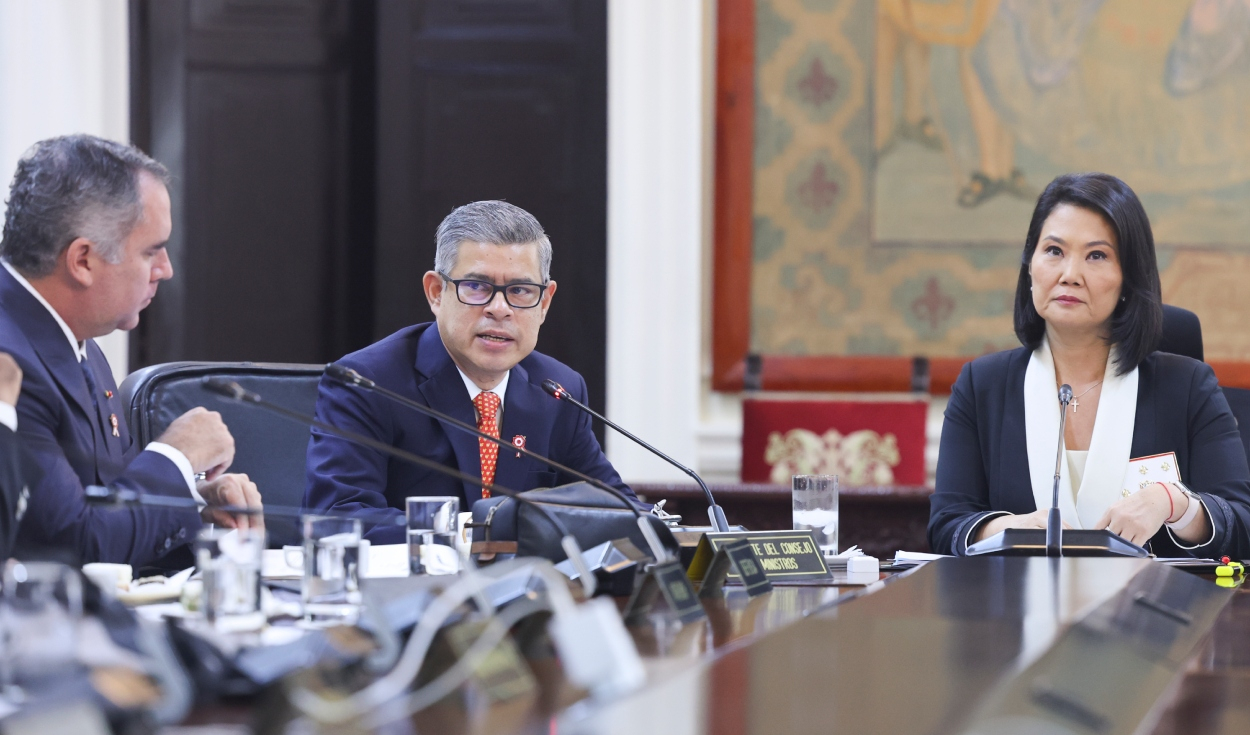
Peruvian President Keiko Fujimori convened an emergency meeting of the Council of Ministers 18 hours after a violent attack in the northern city of Trujillo left four citizens dead and businessman Jens Marty Lara Tantaquilla kidnapped.
The executive session took place in Lima following Fujimori's return from an official visit to the southern region of Puno, as the administration faced growing scrutiny over public safety.
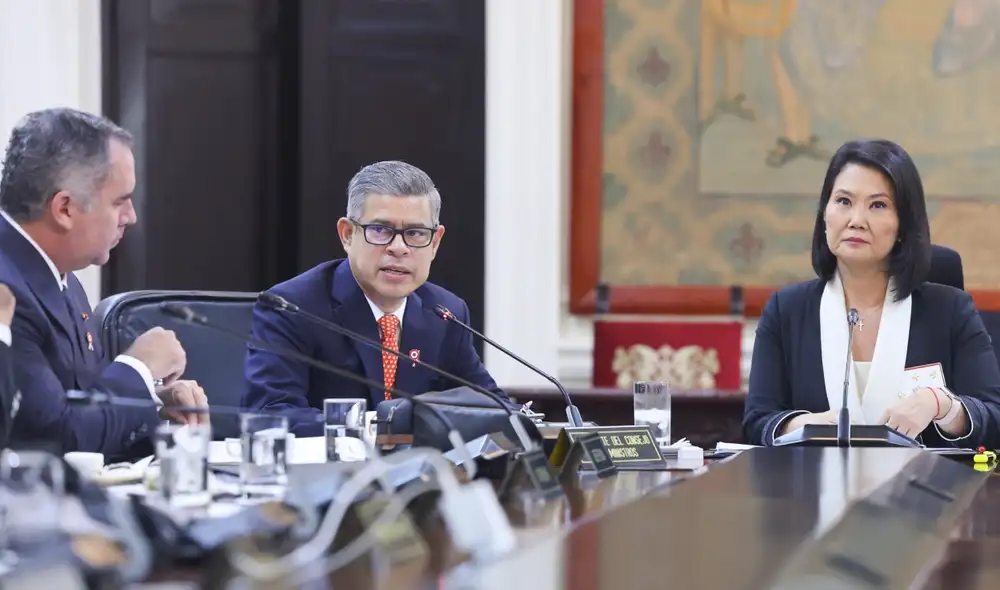
The meeting brought together key members of the Peruvian cabinet, including Prime Minister Luis Galarreta, Defense Minister Rafael Belaúnde, and Minister César Astudillo. President Fujimori departed without giving public statements, leaving Galarreta to address reporters on the government's response.
Emergency police deployment
Prime Minister Luis Galarreta announced that initial measures include sending police reinforcements directly from the capital city of Lima to the La Libertad region. Defense Minister Rafael Belaúnde was dispatched to the area to coordinate joint operations with the Armed Forces.
The Council of Ministers is the cabinet of Peru's executive branch, responsible for managing state policy under the leadership of the president and prime minister. Galarreta stated that the Defense Ministry and the National Police of Peru will issue comprehensive security updates in the coming hours.
Galarreta added that law enforcement officials expect to complete the identification of the ringleaders behind the crime ring by August 31. He also renewed pressure on Congress to approve requested emergency legislative powers, arguing that delegated authority is necessary for the government to implement its anti-crime strategy.
Prison plot and gang response
Speaking after the cabinet meeting in an interview with the television news program Cuarto Poder, Defense Minister Rafael Belaúnde said the government plans to formally declare criminal syndicates as terrorist organizations. He revealed that intelligence indicates the Trujillo attack was planned from inside a penal facility.
Belaúnde said authorities have identified a key suspect known by the alias John Pulpo. He explained that security forces are establishing perimeters around prisons, conducting cell searches, and setting up cordons in areas where accomplices are believed to be located.
The defense minister also addressed questions regarding National Police of Peru Commander General Óscar Arriola. Current Peruvian law shields the police chief with a mandatory two-year term, preventing immediate dismissal by the executive branch.
Belaúnde said the administration inherited years of institutional decay, indolence, and inaction, and confirmed that officials are contemplating legal reforms to reduce the mandatory police leadership term from two years to one year.
Security failures under state of emergency
The killings and kidnapping occurred while Trujillo was already under an active state of emergency. Regional emergency status in La Libertad had been extended under Supreme Decree 109-2026-PCM, promulgated on July 25, 2026, for a 60-day period across Trujillo, Chepén, and Virú provinces.
Trujillo is the capital of La Libertad region, located along the northwestern coast of Peru. Under the emergency decree, the Armed Forces were assigned to assist the National Police of Peru with targeted security interventions based on tactical assessments.
Despite emergency measures highlighted by the government, violent crime has persisted across the region. Police leadership revealed that law enforcement had prior warning of potential violence in the area.
General Ricardo Espinoza, head of the National Police of Peru in La Libertad, stated that authorities had been alerted months in advance about a possible attack. Espinoza noted that the PNP Kidnapping Division had previously contacted potential victims to advise them on precautionary measures.


