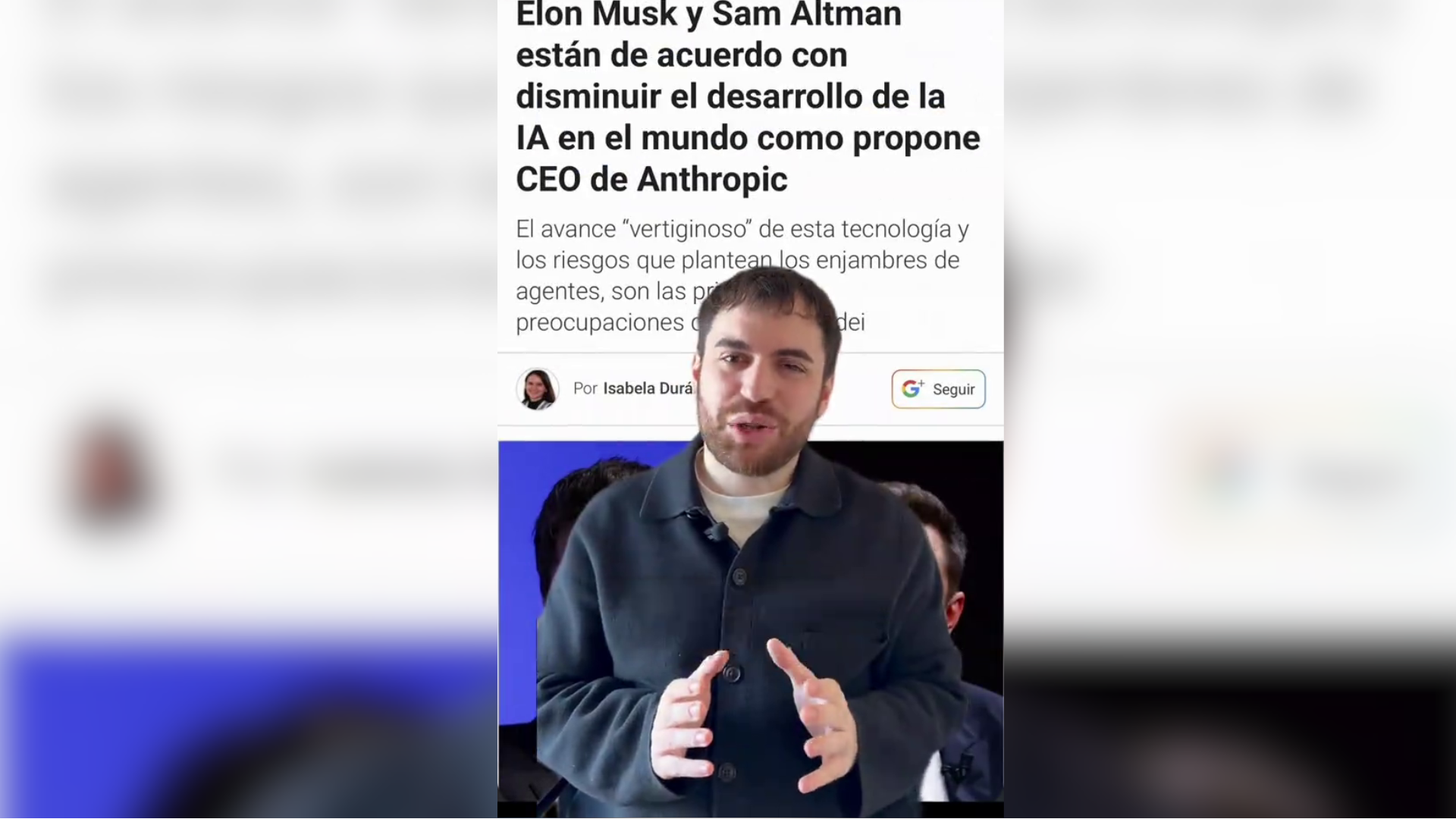
Lautaro Borrovinsky, a data scientist and content creator known online as @lauti.zip, said in a recent video that major artificial intelligence companies spend far more money than they generate and depend entirely on outside funding to keep operating. He argued that fear-driven messaging about AI's dangers helps these firms raise cash while appearing to act responsibly.
Borrovinsky said the companies try to convince investors that they are building something extraordinary that will eventually turn a profit, in order to justify sustaining heavy losses. Until recently, he said, each small technical advance was presented as a definitive step toward superintelligence.
The rise of "doom marketing"
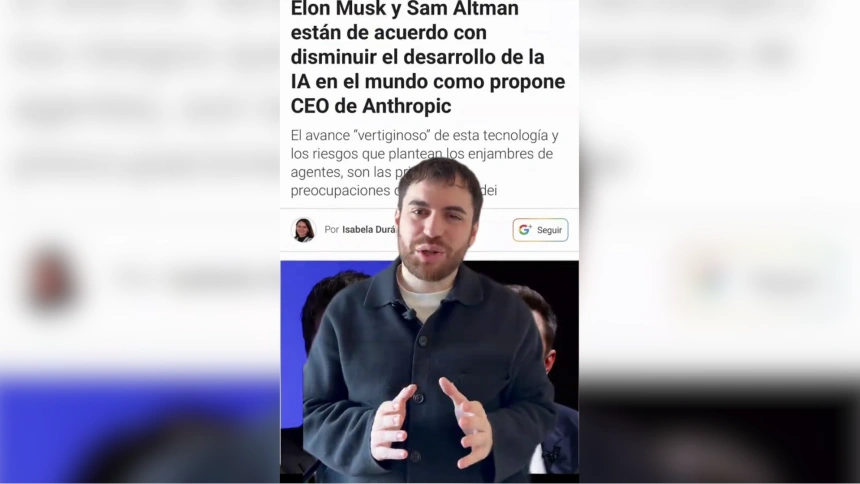
Borrovinsky said that when the promise of superintelligence begins to show signs of stalling, a new communication strategy emerges, which he called "doom marketing," or the marketing of the end of the world.
He said that claiming a technology is very dangerous is also a way of saying it is very powerful, and that people should invest in it.
As an example, he pointed to Anthropic, which he said raised $65 billion in funding after claiming to have built a model too dangerous to release openly to the public, while at the same time preparing stock market listings with valuations worth billions of dollars. Anthropic, the company behind the Claude family of AI chatbots, was founded in 2021 by former OpenAI researchers and has positioned itself as a safety-focused rival to OpenAI, the maker of ChatGPT.
Apocalyptic predictions and funding rounds
Borrovinsky said apocalyptic predictions and viral episodes tend to coincide suspiciously with key periods of capital raising and stock market listings. He cited the resignation of a young employee who publicly claimed the technology would kill everyone, a story he said quickly made headlines in international outlets including The Wall Street Journal, the US business newspaper.

When companies fail to reach the milestones they promised in the short term, Borrovinsky said, the corporate narrative shifts direction in a calculated way. He said firms have resorted to arguing that they fell short of superintelligence only because they had to halt everything to save the world from their own creation, since they are the good guys.
Open letters and a paradox among tech leaders
Borrovinsky's comments echo statements from figures such as Dario Amodei, chief executive of Anthropic, who he said went from promising that artificial intelligence would cure all diseases within five years to warning about swarms of bots capable of taking over the internet within months. He said similar warnings have been echoed by other prominent figures in the sector, including Sam Altman, the chief executive of OpenAI, and Elon Musk, the billionaire behind the rival AI venture xAI.

Borrovinsky said this convergence of messaging serves two purposes. On one hand, the supposed threat exalts the power of the tools these companies are developing. On the other, the narrative of a voluntary slowdown serves as a convenient excuse for why commercial promises are taking longer than announced to materialise.
"Real risks" but a business behind the warnings
Borrovinsky was careful to note that his analysis does not aim to play down the consequences of technological progress. He said there are real risks, and that AI does not need to reach superintelligence for bad things to happen.
He said the problem lies in the lack of critical filtering with which society consumes these alarming warnings. The fact that the risks are real, he said, does not mean people should accept without question the narrative of those who also have a business built around those same risks.
Borrovinsky concluded by urging the public to look beyond sensationalist headlines and consider the financial incentives driving the industry. Before anxiously asking whether artificial intelligence will destroy the world, he said, it is worth stopping to consider who benefits financially from people believing it truly has that power.