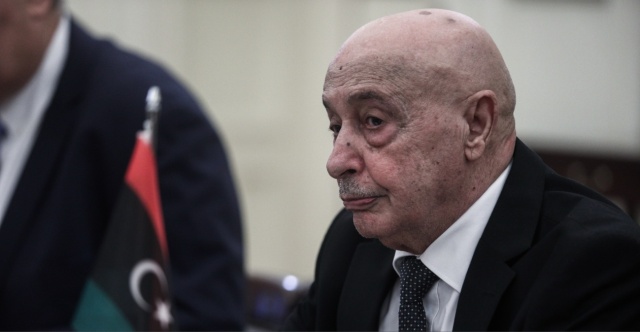
Libya's eastern-based parliament removed speaker Aguila Saleh from his post on Tuesday after 12 years in office, signaling a major political shift in the divided North African nation.
Members of the House of Representatives elected As Salin Abdelnabi al-Obaidi, a lawmaker representing the northeastern city of Tobruk, to succeed Saleh as parliamentary leader, an assembly spokesman announced on social media platform X.
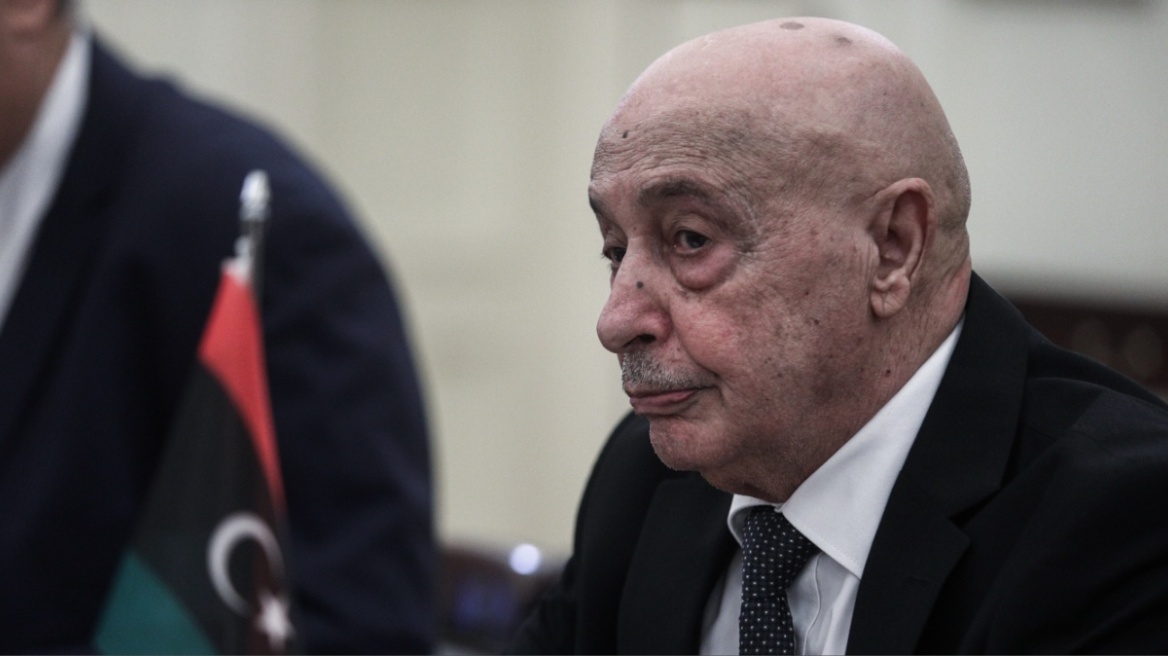
The decision to replace the 82-year-old veteran politician followed an official session held at the parliament's headquarters in Benghazi. The meeting was chaired by Second Deputy Speaker Misbah Douma and attended by 111 deputies.
Saleh had led the Benghazi-based assembly since 2014, serving as an influential political figure in eastern Libya and a longtime key ally of military commander Field Marshal Khalifa Haftar.
A divided nation since 2011
Libya has been mired in political instability since the 2011 uprising that led to the overthrow and death of longtime ruler Muammar Gaddafi.
The country remains split between two competing administrations. The United Nations recognized government, led by Prime Minister Abdul Hamid Dbeibeh, operates from the capital Tripoli in the west, while a rival administration controls the east with the support of Field Marshal Haftar and his sons.
Haftar controls not only eastern Libya but also extensive areas in the south of the country. The Benghazi-based parliament has served as the primary political voice of the eastern administration throughout the division.
Shift in eastern power dynamics
Experts view Saleh's dismissal as evidence of a shifting political balance in eastern Libya, where Haftar's sons have been increasingly consolidating control. In recent months, Saddam Haftar has emerged as his father's designated political heir and has moved to centralize authority in the region.
As Saddam Haftar expanded his influence, Saleh appeared to be losing ground and weakening. Lawmakers within the assembly had also accused Saleh of power abuses over recent months and demanded his departure.
Emadeddin Badi, a researcher at Chatham House, said on Monday that Saleh appeared to be the latest casualty in Saddam Haftar's push to centralize authority in eastern Libya and forcefully establish a leading political role for himself.
US initiative to unify institutions
The leadership change comes against the backdrop of a United States initiative aimed at restarting the political process to unify Libya's divided institutions, a move that has sparked widespread debate across the country.
According to media reports, Saddam Haftar has shown openness to the US-backed process, which analysts suggest could further consolidate his political authority in the east.
In contrast, Saleh had adopted a much more cautious approach toward the diplomatic effort prior to his removal from the parliamentary presidency.