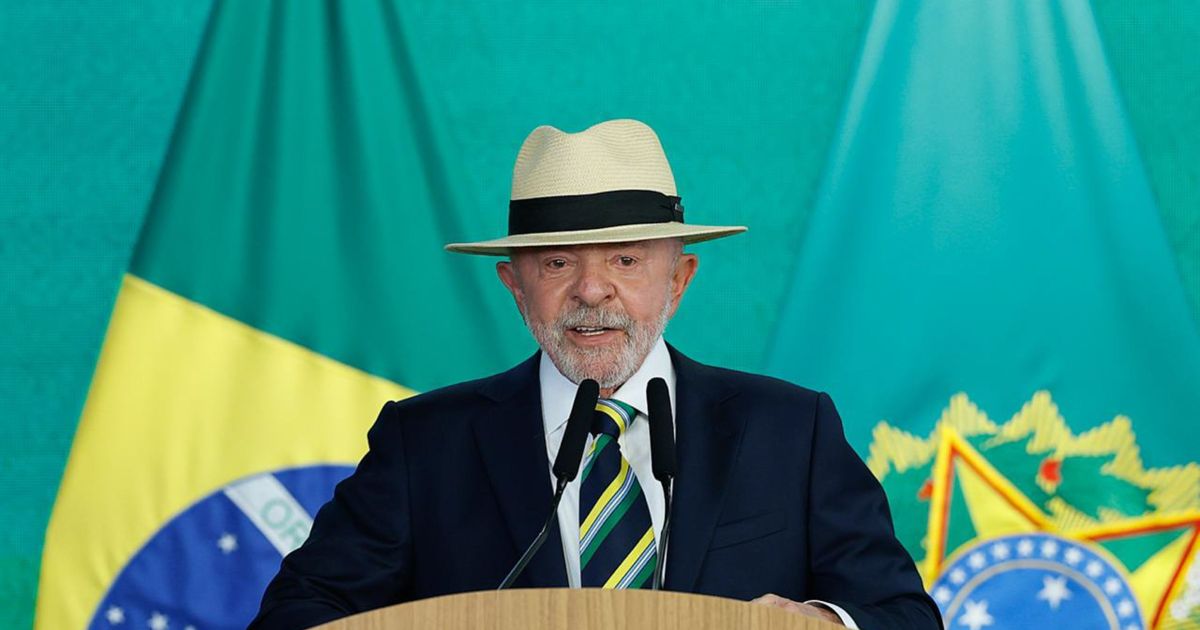

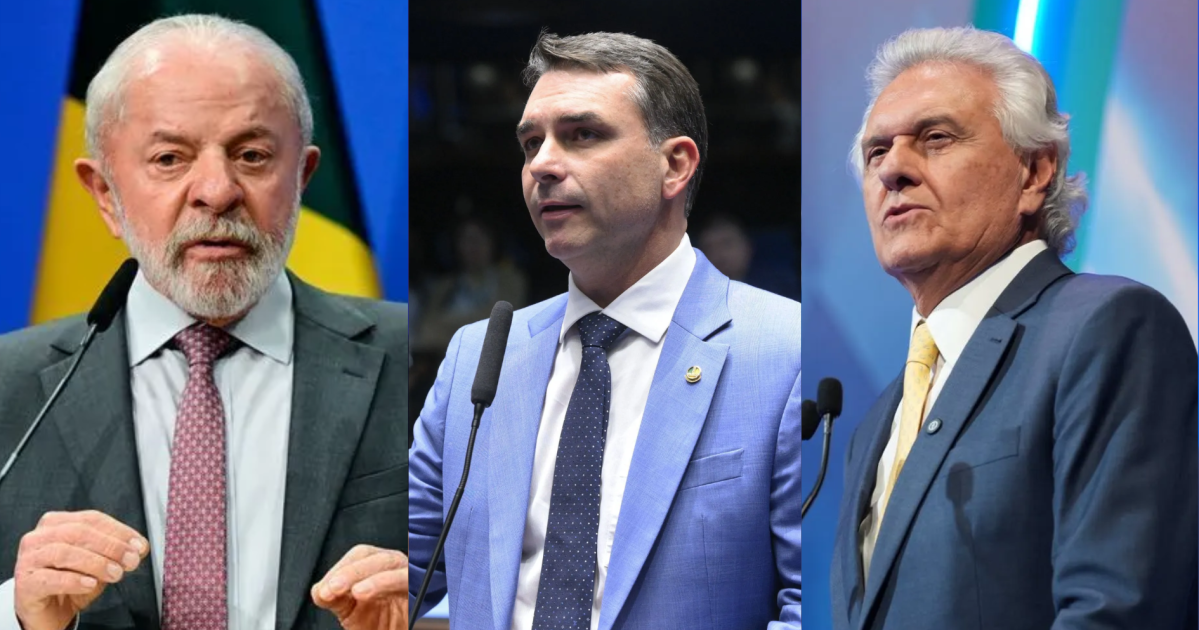
President Luiz Inacio Lula da Silva is locked in a statistical tie with Senator Flavio Bolsonaro in a potential second-round presidential runoff in Brazil.
According to a survey conducted by research institute Nexus and investment bank Banco BTG Pactual released on Monday, September 28, the incumbent Brazilian leader also shares a technical tie with former Goias governor Ronaldo Caiado.
In a head-to-head matchup against Flavio Bolsonaro, Lula garnered 46 percent of voter support, while the senator received 44 percent. Because the survey carries a margin of error of two percentage points in either direction, the two-point gap leaves the contenders in a statistical deadlock.
Among the surveyed voters, 8 percent declared they would cast a blank or spoiled ballot, or back neither candidate, while 1 percent stated they did not know or declined to respond.
Second-round matchups against Caiado and Cury
The polling examined several hypothetical second-round scenarios under Brazil's electoral system, where the top two candidates face each other if no contender wins an outright majority in the first round. When tested against Caiado, a member of the Social Democratic Party, Lula held 46 percent against 42 percent for the former state governor.
With the survey's margin of error applied, the four-point separation between Lula and Caiado also represents a technical tie. In that scenario, 10 percent of participants indicated they would cast a blank or null ballot, or vote for neither candidate, while 2 percent did not know or gave no answer.
In a third simulation, Lula faced author and psychiatrist Augusto Cury, who was measured as a candidate for the centrist Avante party. Lula again secured 46 percent of the voting intentions, compared with 41 percent for Cury.
Voters choosing neither candidate, a blank vote, or a null ballot reached 11 percent in the matchup with Cury, while 2 percent of respondents remained undecided or declined to answer.
Wider leads over Santos and Zema
The Brazilian president established broader advantages against other conservative figures. Pitted against Renan Santos, the national coordinator of the right-wing Free Brazil Movement running for the Missao party, Lula led with 48 percent against 37 percent for Santos.
Those who stated they would cast a blank or spoiled ballot or choose neither option accounted for 13 percent in the contest against Santos, with 2 percent undecided or choosing not to answer.
Lula maintained a similar lead against former Minas Gerais governor Romeu Zema of the Novo party. In that simulation, the president scored 48 percent compared with 39 percent for Zema, giving Lula a nine-point advantage.
A total of 12 percent of respondents in the Zema matchup said they would vote blank, null, or for neither contender, while 2 percent did not know or declined to answer.
Political background of the contenders
Lula, the longtime leader of the left-wing Workers' Party, returned to Brazil's presidency in January 2023 for a third non-consecutive term. He previously governed South America's largest nation between 2003 and 2010 before securing election victory over Jair Bolsonaro in October 2022.
Flavio Bolsonaro represents Rio de Janeiro in the Federal Senate as a prominent member of the conservative Liberal Party. As the eldest son of former president Jair Bolsonaro, he has served as a central political figure and spokesperson for Brazil's right-wing opposition.
Caiado has long been an influential voice in conservative and agricultural politics, having previously served as a federal deputy and senator before leading the state of Goias. Zema built his political reputation in Minas Gerais, the second most populous state in Brazil, advocating market-friendly policies under the libertarian Novo party banner.
Survey methodology and election court filing
The Nexus poll gathered data through telephone interviews with 2,000 voters conducted between September 25 and September 27. The survey operates with a confidence level of 95 percent alongside its two percentage point margin of error.
The study was commissioned and funded by Banco BTG Pactual, one of Latin America's major investment banks. Under Brazilian election regulations, all published campaign polling must be submitted to the Superior Electoral Court, where this survey was officially registered under tracking code BR-07557/2026.