


The High Court of Justice of Madrid has ordered an unemployed woman to repay more than 6,000 euros in benefits after she traveled to Romania without giving prior notice to Spain's national employment agency.
The court upheld a decision by the State Public Employment Service to terminate the woman's over-52 unemployment subsidy and demand the return of 6,621.94 euros received in improper payments. Officials revoked the aid after discovering that she remained outside Spain for more than 15 days without authorization.
The State Public Employment Service, known in Spain as SEPE, manages unemployment compensation and job assistance across the country. The over-52 subsidy is a specific financial support program that provides monthly assistance to long-term unemployed residents aged 52 and older until they reach statutory retirement age, provided they meet ongoing income and residency conditions.
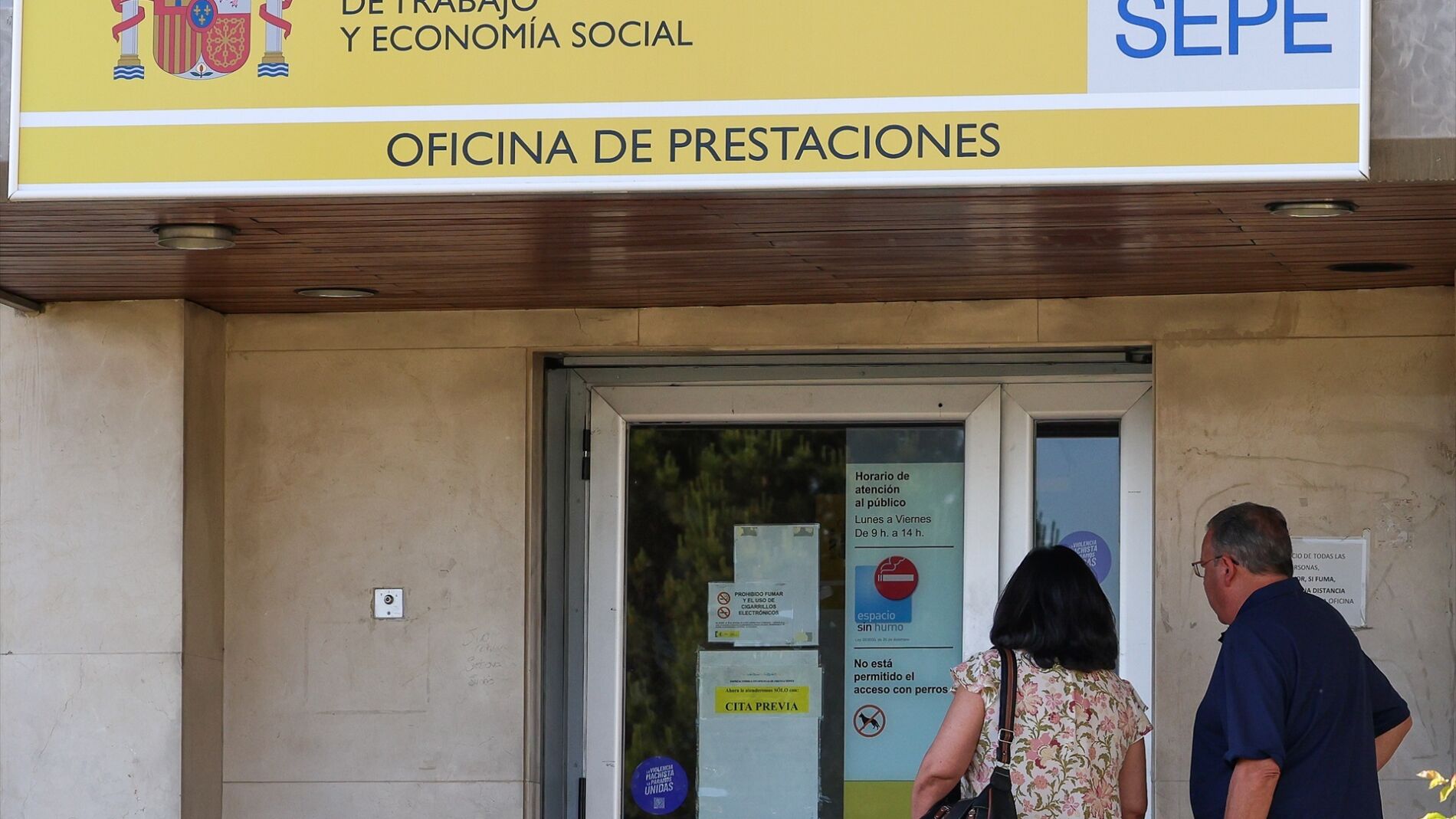
Under Spanish labor regulations, beneficiaries can maintain their assistance up to retirement if all statutory requirements are satisfied. Although the recipient had previously reported an international trip in 2018, administrative auditors focused on a later series of unannounced travels to Romania. SEPE officials detected foreign reentry records dated September 2021 and July 2022, prompting the agency to demand airline tickets to audit her travel history several years after her initial benefit approval.
Travel restrictions and COVID-19 claims
During the administrative review, the recipient stated that she departed Spain on September 6, 2021, and remained abroad because her mother had contracted COVID-19. She explained that she initially intended to stay abroad for 15 days, but international travel restrictions forced her to prolong her visit. However, judges ruled that the documentation submitted failed to establish a sufficient legal justification for failing to notify employment authorities prior to her departure.
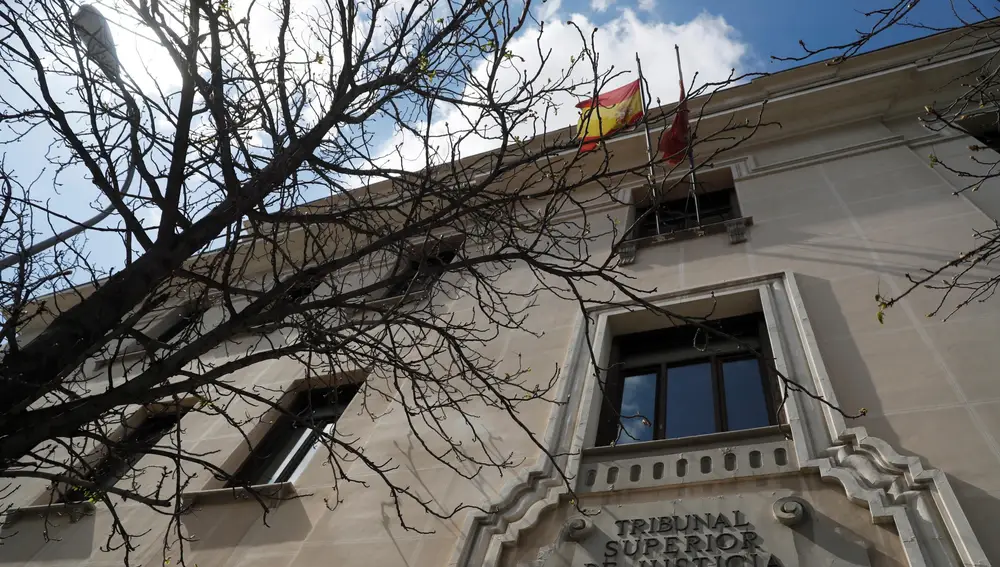
The High Court of Justice of Madrid is the supreme judicial body within the Autonomous Community of Madrid, overseeing civil, criminal, social, and administrative appeals. In sentence STSJ M 2614/2025, delivered on February 28, 2025, the First Section of the Social Chamber of the Madrid High Court dismissed appeal 924/2024 and confirmed a previous ruling issued by Social Court Number 36 of Madrid.
The magistrate panel emphasized that compliance with notification procedures is directly linked to an individual's legal entitlement to receive ongoing benefit payments. Spanish labor regulations allow beneficiaries to suspend subsidy payments during an overseas stay of up to 90 calendar days per year, provided they submit prior notification and obtain formal approval from SEPE.
Legal rules on overseas stays
Citing established jurisprudence from the Supreme Court of Spain, the High Court noted that if a benefit recipient intends to remain outside the country for more than 15 days, they must notify and obtain authorization from the managing agency for the absence to qualify as an administrative suspension. Without prior notification, an unannounced departure crosses into sanctionable non-compliance.
The judges rejected claims that the agency's response violated the principle of proportionality. The recipient had argued that because her stay did not exceed the 90-day annual allowance, the agency should have suspended her subsidy rather than revoking it. The court determined that the absence of prior notice and the lack of verified emergency evidence justified the full revocation of the aid.
Repayment demands and legal precedents
The financial consequences for the recipient were two-fold. SEPE declared all payments disbursed between September 6, 2021, and March 30, 2023, as improper funds, setting the total repayment amount at 6,621.94 euros. The agency also terminated the benefit entirely, barring the woman from accessing any alternative employment subsidies or assistance programs.
The judgment aligns with broader legal standards enforced by Spanish employment tribunals regarding benefit compliance. Previous judicial reviews regarding the over-52 subsidy have examined how severance payments paid out in monthly installments affect income thresholds. Similarly, a separate judicial ruling published on June 27, 2026, established that time spent under a temporary employment regulation file, known in Spain as an ERTE, does not independently create entitlement to a new unemployment benefit.
Spanish tribunals have also consistently reviewed claims involving individuals who continued drawing unemployment aid while working, enforcing strict rules on combining job earnings with state assistance. Furthermore, in cases involving workplace reinstatement after an unfair dismissal, the Supreme Court has ruled that unemployment payments collected during the interim period represent improper income that must be repaid.
The High Court ruling did not impose legal costs on the recipient. The decision allows the woman to prepare an appeal for the unification of doctrine before the Supreme Court within 10 working days following formal notification of the judgment. The ruling establishes a firm precedent for benefit recipients, demonstrating that exceeding travel limits without prior approval can forfeit long-term support up to retirement.


