
Tim Andrews, a 66-year-old man in the United States, lived for 271 days with a transplanted pig kidney without needing dialysis, the longest period on record for a xenotransplant organ functioning inside a human body.
Andrews received the organ in January 2025. Although doctors eventually had to remove the kidney, the case showed that a genetically modified pig organ can sustain kidney function in a human body for an extended period.

A shortage of organs
The procedure is part of ongoing scientific efforts to find an alternative to the shortage of human organs available for transplant. In the United States, around 100,000 people are waiting for a kidney, while roughly 25,000 kidney transplants are carried out each year.
Andrews faced a particularly difficult situation. His kidneys had stopped working as a result of type 2 diabetes, and he could have waited up to seven years for a human organ to become available.
Dr. Leonardo Riella, of Massachusetts General Hospital, said there is a crisis caused by the shortage of organs, and said xenotransplantation could become an alternative for patients who have no living donor.
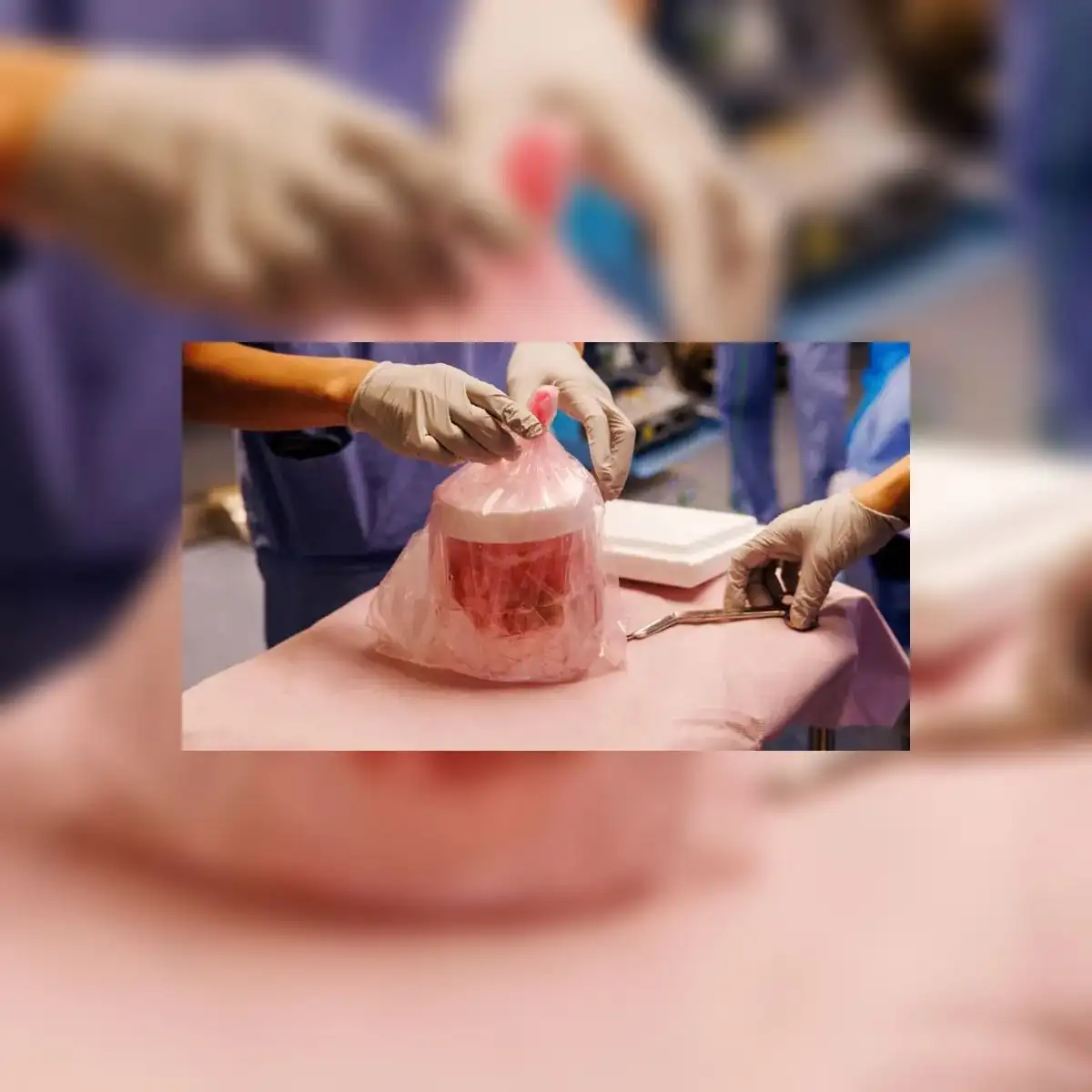
What is xenotransplantation
Xenotransplantation is the transplant of an organ or tissue from one species into another, an approach researchers have pursued for years as a possible answer to the global shortage of donor organs. Pigs are often used in this research because their organs are similar in size to human ones.
How the pig kidney worked in a human body
The organ used in Andrews's case did not come from a conventional pig. Researchers used a Yucatan miniature pig that had undergone 69 genomic modifications designed to reduce the traits that could trigger an attack by the human immune system on the pig tissue.
Some of the modifications remove signals that human immune defenses recognize as foreign, while others incorporate human DNA to help conceal the organ from the immune system.
The kidney began working immediately after the transplant. Six months later, however, its blood vessels started to deteriorate, and the organ eventually failed and had to be removed.