Registered dietitian Anne Harguth from Waseca, Minnesota, has issued eight nutrition guidelines to help people maintain healthy habits during summer social events and outdoor dining.
Data from the Mayo Clinic shows that nearly half of consumers eat out more frequently during the summer months, with many dining away from home at least once a week.
Increased restaurant visits, family reunions, barbecues, and seasonal celebrations often lead to higher consumption of calorie-heavy foods and sugary beverages. Harguth explained that enjoying summer activities does not require abandoning balanced nutrition, provided diners make conscious choices.
Mayo Clinic is an American non-profit academic medical center headquartered in Rochester, Minnesota, operating health facilities across the region, including in Waseca. The organization regularly publishes public health advice on nutritional management and preventative care.
Portion control and balanced plates
Harguth advised that eating healthily does not mean cutting out favorite foods completely. Instead, she recommended consuming indulgence items in moderation, reserving less healthy choices for specific occasions in small serving sizes to prevent occasional treats from becoming daily habits.
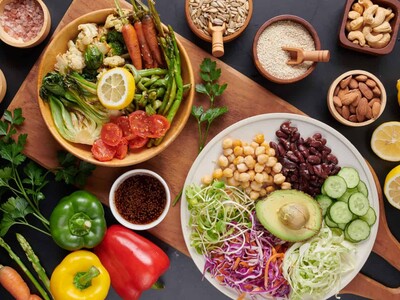
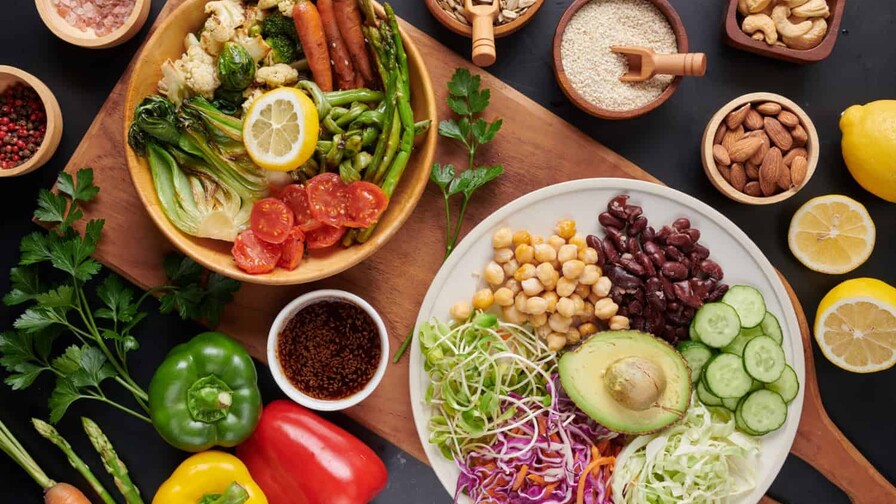
When attending parties or dining out, Mayo Clinic recommends structuring meals around guidelines established by the United States Department of Agriculture. The model suggests filling roughly half of the plate with fruits and vegetables, while dividing the remaining half between grains, lean proteins, and dairy products.
The United States Department of Agriculture introduced its MyPlate dietary framework to replace the traditional food pyramid, offering a visual guide to balanced food group proportions for daily nutrition.

Nutritional labels and smart shopping
Checking food labels and restaurant nutrition menus can assist consumers in making informed decisions. Mayo Clinic guidance emphasizes checking calorie counts per serving, noting that package sizes do not always match what an individual actually eats.
An average meal for a healthy adult should generally contain between 500 and 700 calories, according to Mayo Clinic guidelines. However, individual calorie requirements vary based on personal health needs, and breakfast typically requires fewer calories than lunch or dinner.
Healthy habits begin at the grocery store by prioritizing fresh produce over processed options. Mayo Clinic recommends buying fresh fruits and vegetables at local farmers markets, while cautioning that not all plant-based foods are equally nutritious. For example, while potatoes are vegetables, preparing them as French fries adds significant amounts of dietary fat and sodium.
Healthy grilling and avoiding fad diets
Outdoor barbecues can easily fit into a balanced diet when ingredients are selected carefully. Health experts recommend choosing lean, unprocessed meats for grilling, cooking with unsaturated fats, and limiting sodium use. Flavor can be enhanced without salt by adding herbs, spices, and vinegars.
The warm season frequently creates a desire for rapid weight loss, leaving people vulnerable to commercial fad diets. Mayo Clinic warned against restrictive eating plans that promise extraordinary short-term results.
Before starting any restrictive diet, consumers should research its claims and consult a qualified nutritionist or dietitian to determine whether the plan is suitable for their individual health needs.
Smarter snacking and summer hydration
Unplanned snacks between meals can quietly add substantial calories over the course of a day. Pastries in the morning, afternoon cookies, and late-night desserts often lead to excessive calorie intake.
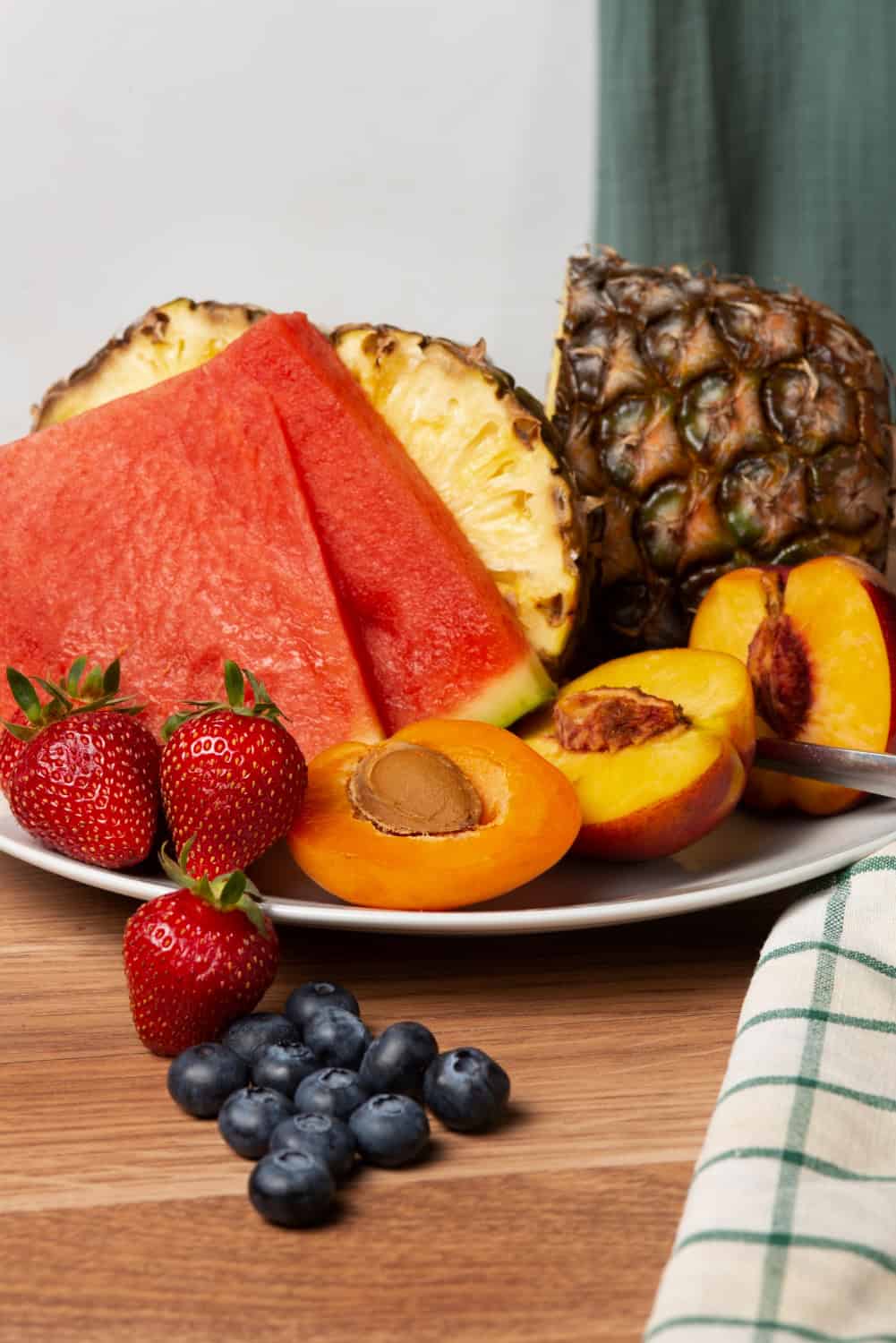
Mayo Clinic suggested replacing high-calorie treats with fresh fruit, low-fat yogurt, whole grains, or fresh vegetables paired with a healthy dip. Seasonal fruits provide a convenient way to enjoy fresh summer produce.
Staying hydrated is critical throughout the year, but high summer temperatures and outdoor exercise increase fluid loss through sweat and evaporation. Calories from sodas, sweetened teas, and other sugary drinks can accumulate rapidly.
Mayo Clinic recommended choosing zero-calorie or low-calorie beverages. Plain water remains the best option for summer hydration, and adding sliced fresh fruit can provide natural flavor without adding excess sugar.