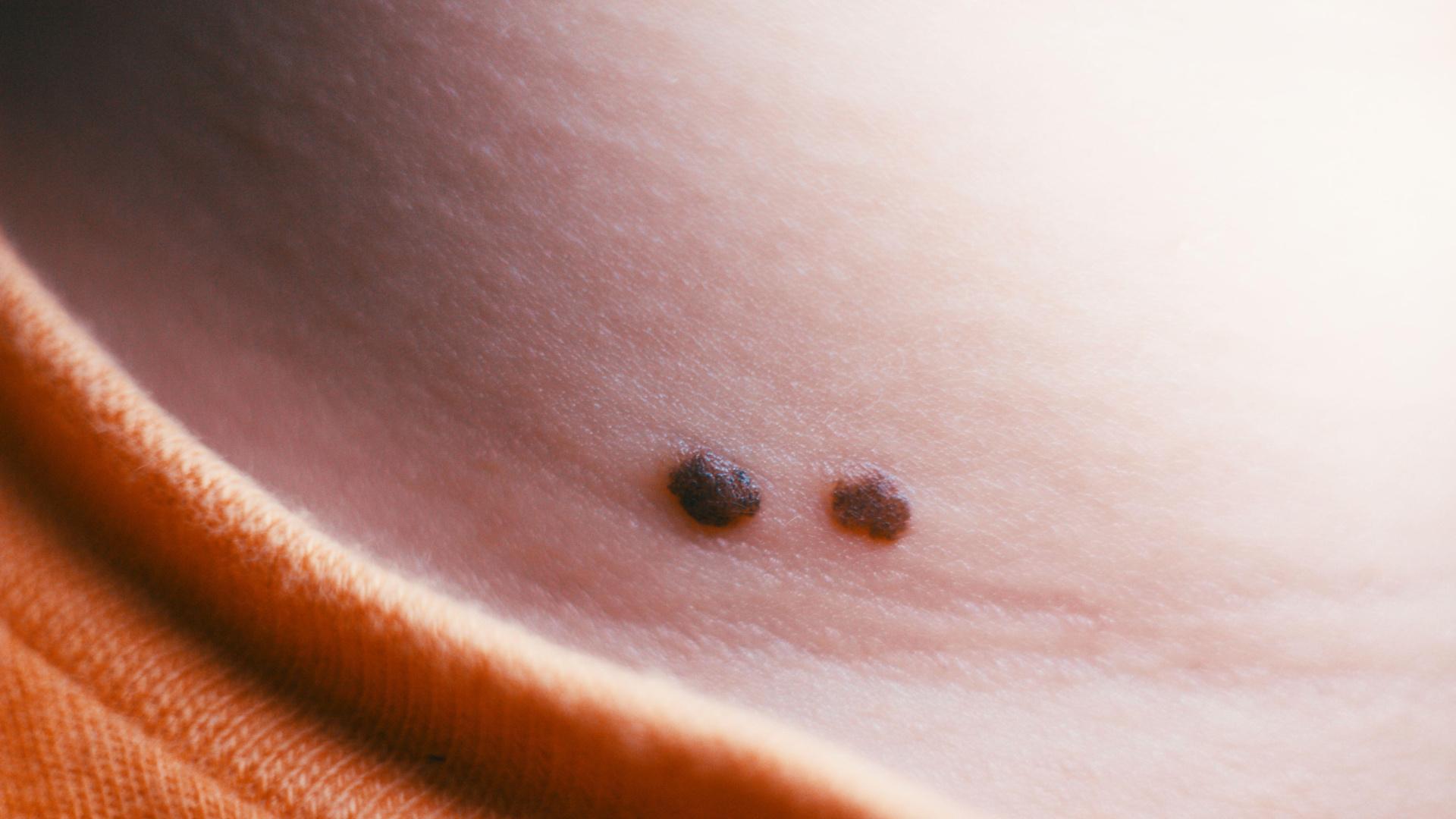
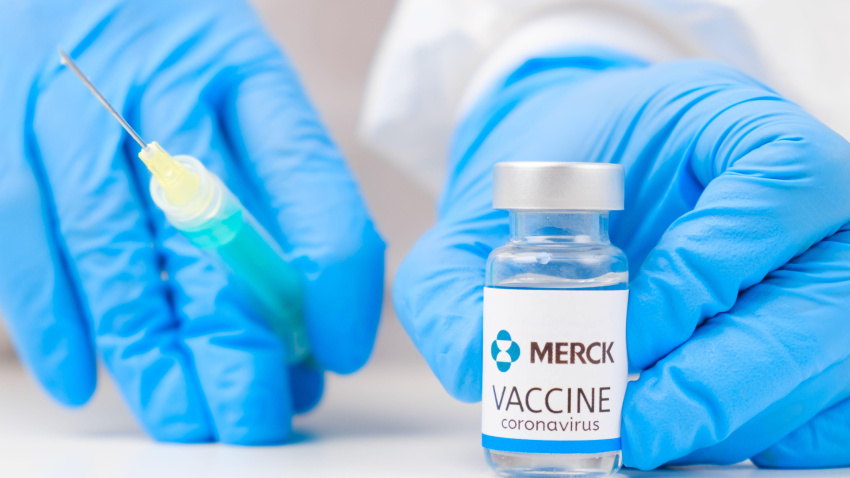
Pharmaceutical companies Merck and Moderna have announced positive results from the final phase of clinical trials for an experimental skin cancer treatment.
The personalized therapy, administered alongside Merck's established immunotherapy Keytruda, achieved a statistically significant improvement in relapse-free survival among patients diagnosed with advanced melanoma who had previously undergone surgery.
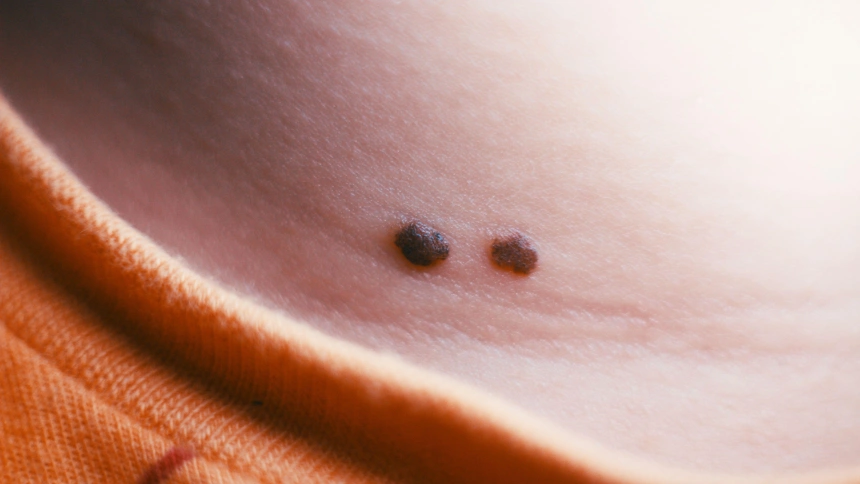
Both pharmaceutical companies stated that the findings mark the first positive Phase 3 clinical trial results ever reported for a cancer therapy based on messenger RNA technology.
Messenger RNA technology works by delivering genetic instructions to human cells, enabling them to produce specific proteins that train the immune system to recognize and attack disease targets. Moderna, a biotechnology firm based in Cambridge, Massachusetts, developed the treatment alongside Merck, a multinational pharmaceutical company headquartered in Rahway, New Jersey. Keytruda is a widely prescribed oncology drug designed to help immune cells identify tumor cells.
Customized treatment against skin cancer
The experimental drug, named intismeran autogene, uses messenger ribonucleic acid to provide genetic instructions to cells so they can manufacture proteins capable of triggering a targeted immune response.
Each treatment is tailored to the specific genetic mutations found within an individual patient's tumor, allowing the therapy to activate customized immune defenses against the cancer cells.
Stéphane Bancel, the chief executive officer of Moderna, said that for many years the concept of creating an mRNA therapy engineered specifically for an individual patient's cancer was difficult to imagine, but the companies are now helping to turn that vision into reality.
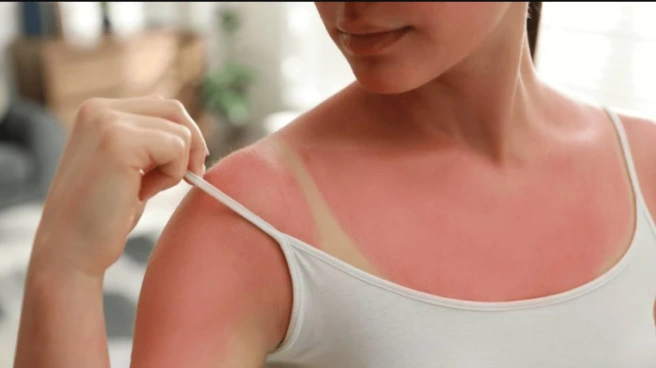
The announcement comes amid broader medical guidance on skin protection and sun damage. Dermatologist Yolanda Gilaberte noted that individuals typically apply a smaller quantity of sunscreen than the amounts tested in laboratory conditions, which reduces the actual protection factor achieved on skin tissue.
Clinical trial results and regulatory approval
The Phase 3 clinical trial was completed with more than 1,100 participants, marking a key milestone before the companies submit formal applications for commercial marketing authorization.
Moderna and Merck plan to present full data from the trial at an upcoming medical congress before initiating formal regulatory procedures with health authorities.
Sun exposure risks and global melanoma cases
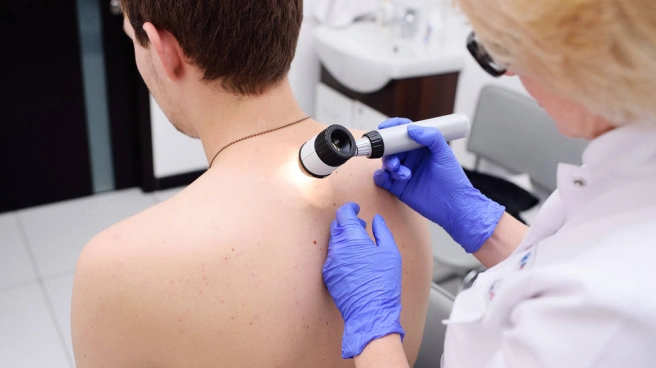
The development of the vaccine occurs as medical experts emphasize the importance of skin health and early detection. Research into the mRNA treatment joins other recent technological advances capable of identifying skin cancer within seconds.
Dermatologists reminded the public that a suntan is a biological response to sun damage rather than an indicator of health, while medical experts warned that factor 50 sunscreen remains the only safe choice for protecting skin tissue.
Melanoma ranks among the most aggressive variants of skin cancer. More than 330,000 new cases of the disease were diagnosed globally in 2022.