NASA has completed a critical power management operation on Voyager 2 to extend the nearly 50-year-old spacecraft's scientific mission in interstellar space by at least one year.
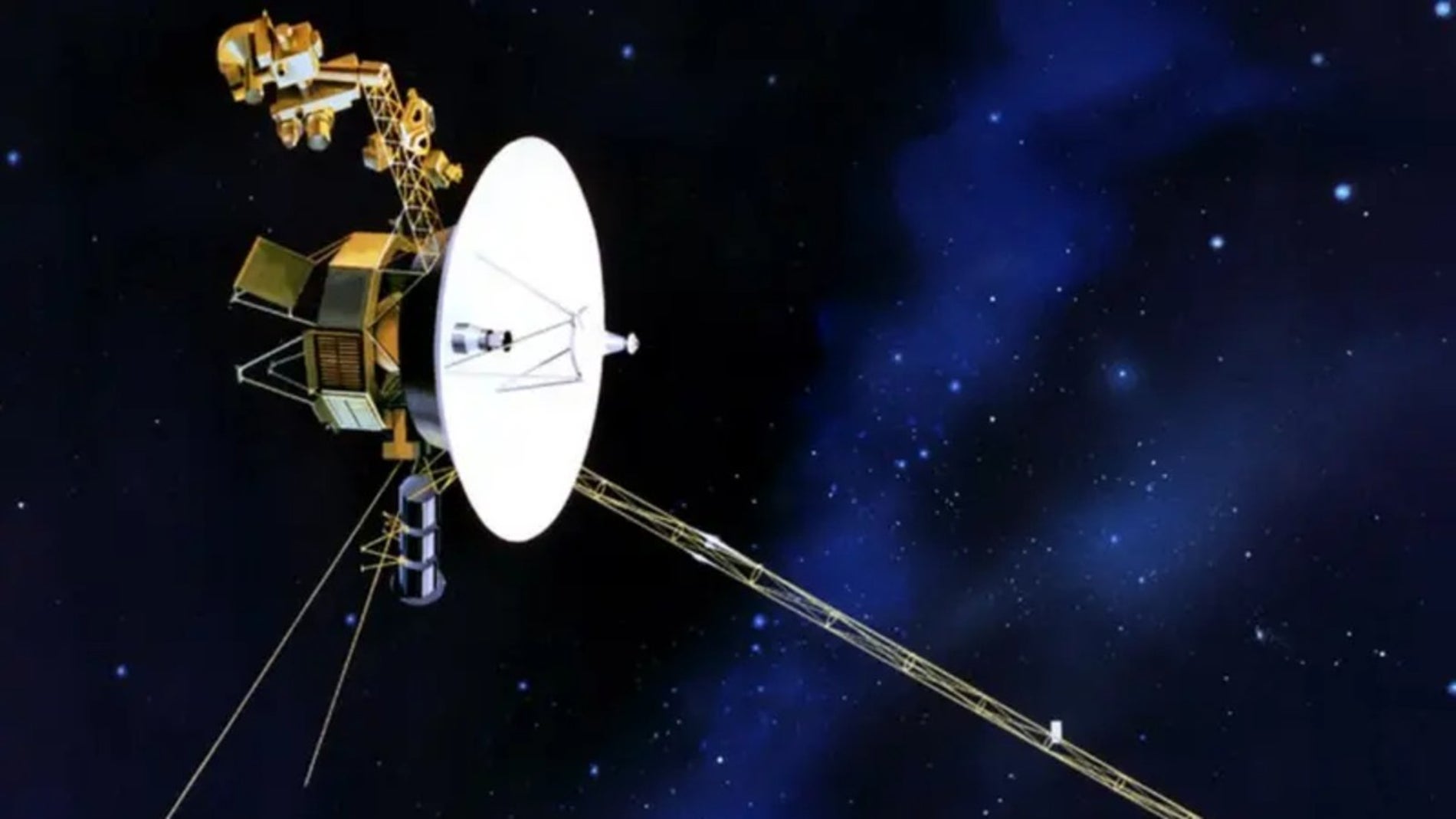
Engineers at NASA's Jet Propulsion Laboratory executed the electrical maneuver to conserve energy on the probe, whose power reserves have reached critically low levels after decades of space travel.
The engineering maneuver, named operation Big Bang and reported by Scitech Daily, involved shutting down several devices that drew power simultaneously and replacing them with lower-consumption alternatives.
Optimizing power and temperature control
By switching to more efficient components, engineers ensured that the spacecraft retains enough electrical power to operate its active scientific sensors while maintaining the internal temperatures needed for system survival.
NASA specialists face a delicate balancing act with the twin Voyager probes, which are currently the furthest human-made objects from Earth. At such extreme distances, the spacecraft must maintain sufficient heat to protect electronics while operating on dwindling electrical supplies.

The spacecraft's power supply decreases by approximately 4 watts each year due to the natural degradation of its onboard radioisotope thermoelectric generators. Without the device swap, NASA would have been unable to extend Voyager 2's mission through 2027.
Preserving scientific instruments
Since 2024, NASA has been forced to shut down two scientific instruments on each of the Voyager probes to keep the spacecraft functioning. The successful component swap on Voyager 2 avoided the need to turn off a third scientific instrument.
As a result of the power savings, the three remaining scientific instruments on Voyager 2 will continue collecting measurements in interstellar space for at least another year. NASA launched Voyager 1 and Voyager 2 in 1977 to explore the outer planets before the probes crossed into interstellar space, and mission control is managed from the Jet Propulsion Laboratory in Pasadena, California.
Next steps for Voyager 1
NASA plans to replicate the same device-swapping operation on Voyager 1 over the coming months. Space agency officials aim to secure electrical power on both probes so they can reach their 50th anniversary in space fully operational.