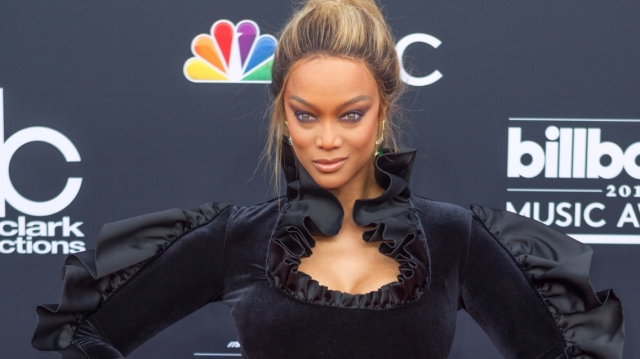
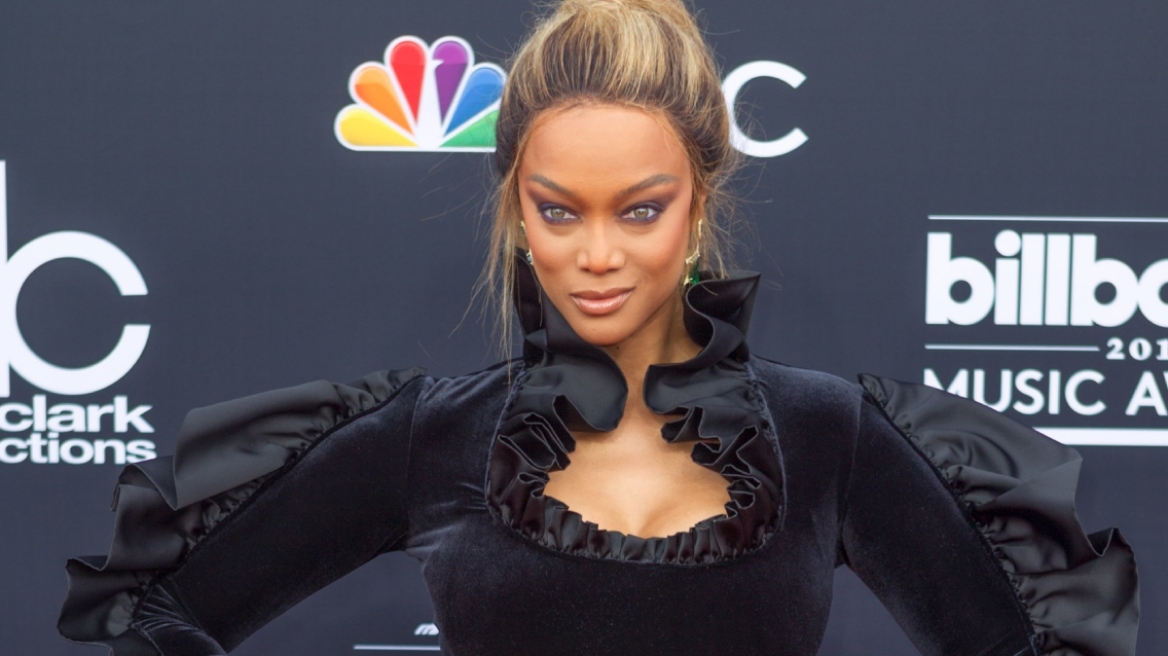
Netflix has requested that a judge dismiss a defamation lawsuit filed by model Tyra Banks over her portrayal in a documentary series about America's Next Top Model. Documents filed in court on Friday, August 14, show the streaming service is seeking a full dismissal of the claims brought by the 52-year-old former supermodel and television presenter.
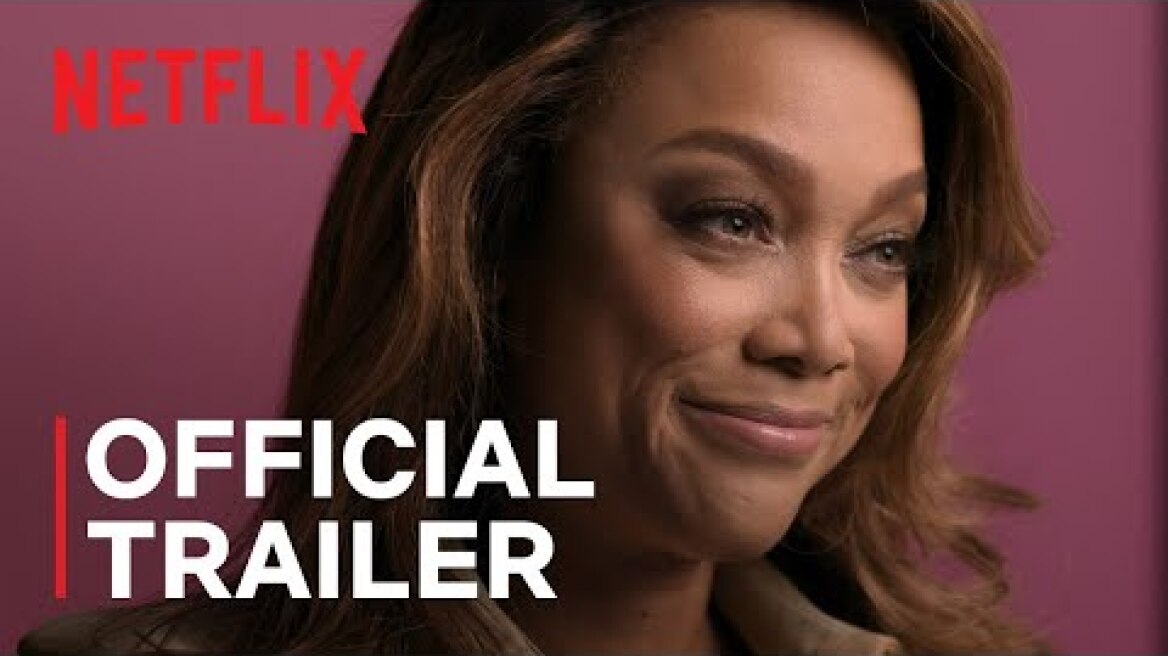
Banks filed her lawsuit in June following the February release of Reality Check: Inside America's Next Top Model, a Netflix docuseries that generated fresh scrutiny surrounding the long-running reality competition. The lawsuit alleges that producers used only 16 minutes of footage from an interview that lasted more than three hours, editing the material to construct what Banks described as a false and defamatory narrative.
Netflix Defense and Producer Response
A spokesperson for Netflix told the Daily Mail that directors Daniel Sivan and Mor Loushy are acclaimed documentary creators who conducted extensive interviews with key figures behind the show. The platform stated that Banks was given the opportunity to speak openly about her experiences and that filmmakers presented her perspective fairly alongside all other participants featured in the series.
Netflix affirmed that it stands by the documentary series and intends to defend the project vigorously against the legal challenge. In addition, sources close to Netflix told the Daily Mail that the creative team informed Banks from the outset that she would have no control over the final cut of the series, despite her participation being considered vital to capture her perspective.
The sources added that the legal action was initiated several months after the show premiered, asserting that the motion demonstrates that the lawsuit lacks merit in every respect.
Allegations of Contestant Assault and Omissions
In her legal filing, Banks accuses the documentary team of employing selective editing, deliberate omissions, and surgical alteration of footage to portray her in a misleading light. The lawsuit claims the series falsely implied that Banks knowingly permitted a contestant to be sexually assaulted during the filming of the program.
A central focus of the docuseries centers on claims made by Shandi Sullivan, a contestant who appeared in the second cycle of America's Next Top Model. Sullivan alleged that she was not adequately protected after an incident involving a guest during production, claiming the situation was subsequently framed on the show as a story of romantic infidelity, a characterization that Banks disputes.
Banks states in her court filings that she was unaware Sullivan would take part in the Netflix documentary. Banks maintains that she has always recognized the incident involving Sullivan as a sexual assault, describing the docuseries suggestion that she could not even remember the event as devastating and deliberate.
To resolve the dispute, Banks has requested a jury trial to determine the appropriate financial damages she should be awarded.
History of America's Next Top Model
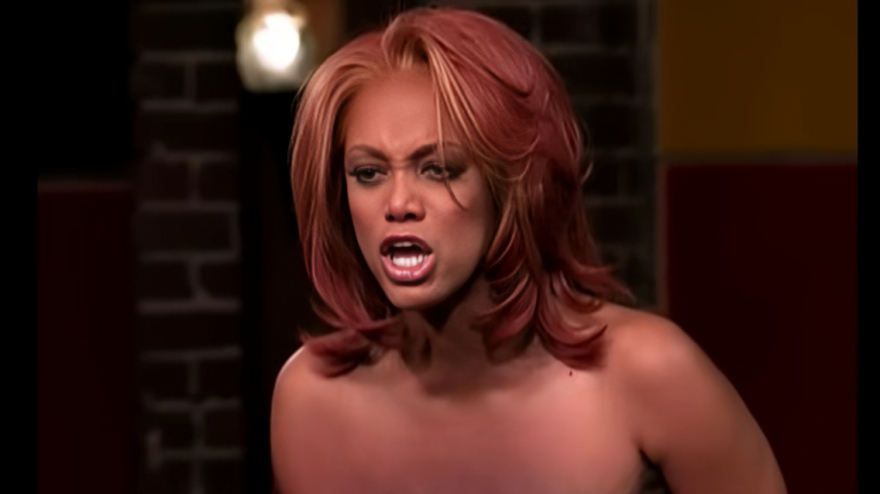
Banks created America's Next Top Model and pitched the concept to the UPN broadcast network before the show premiered in 2003. The series became a major pop culture phenomenon, featuring aspiring models competing for a career contract in the fashion industry. Banks served as the primary host and executive producer for the first 22 cycles of the show.
In her lawsuit, Banks stated that she agreed to participate in the Netflix project because she believed viewers deserved a candid discussion regarding the show's legacy, including both its major successes and its notable shortcomings.
The lawsuit emphasizes that Banks sought to take personal responsibility for certain controversial aspects of the program and wanted viewers to hear those admissions directly from her. She noted that she placed no restrictions on the questions interviewers could ask regarding the history of the reality show.
Interview Context and Documentary Expectations
During an interview session that spanned three and a half hours, Banks answered detailed questions regarding the cultural impact of the program, its groundbreaking broadcast run, and previous criticisms directed at decisions she made as host.
The lawsuit argues that genre classification is critical, noting that Netflix promoted the release as a docuseries and described it as a must-see chronicle of the show. Legal representatives for Banks argued that audiences expect factual accuracy from documentaries rather than manufactured drama or engineered storylines.
The filing asserts that excerpts from her interview were stripped of context and reassembled to support a defamatory narrative that differed completely from her actual statements.

Ongoing Legal Battle and Future Proceedings
Banks claims that moments where she explicitly accepted responsibility for controversial events during the show's run were deliberately left out of the finished cut. The streaming service maintains that the filmmakers acted fairly and responsibly in editing the massive amount of footage collected from participants.
Netflix's motion to dismiss the lawsuit moves the legal battle before a judge, who will determine whether the defamation claims proceed to a full trial.