
Greece's socialist opposition party PASOK has launched a coordinated offensive against Prime Minister Kyriakos Mitsotakis and former leader Alexis Tsipras over private debt legislation. The party is seeking further legislative victories after forcing the government to withdraw a disputed provision from a contentious financial bill affecting distressed borrowers.
PASOK leader Nikos Androulakis challenged Mr Mitsotakis to appear in parliament on Wednesday to explain why ministers initially included the measure, which critics described as an unwarranted concession to investment funds.
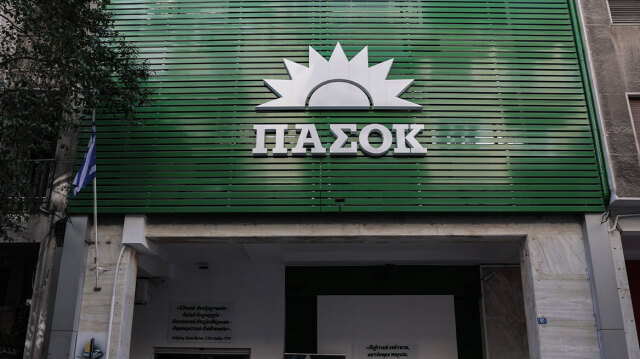
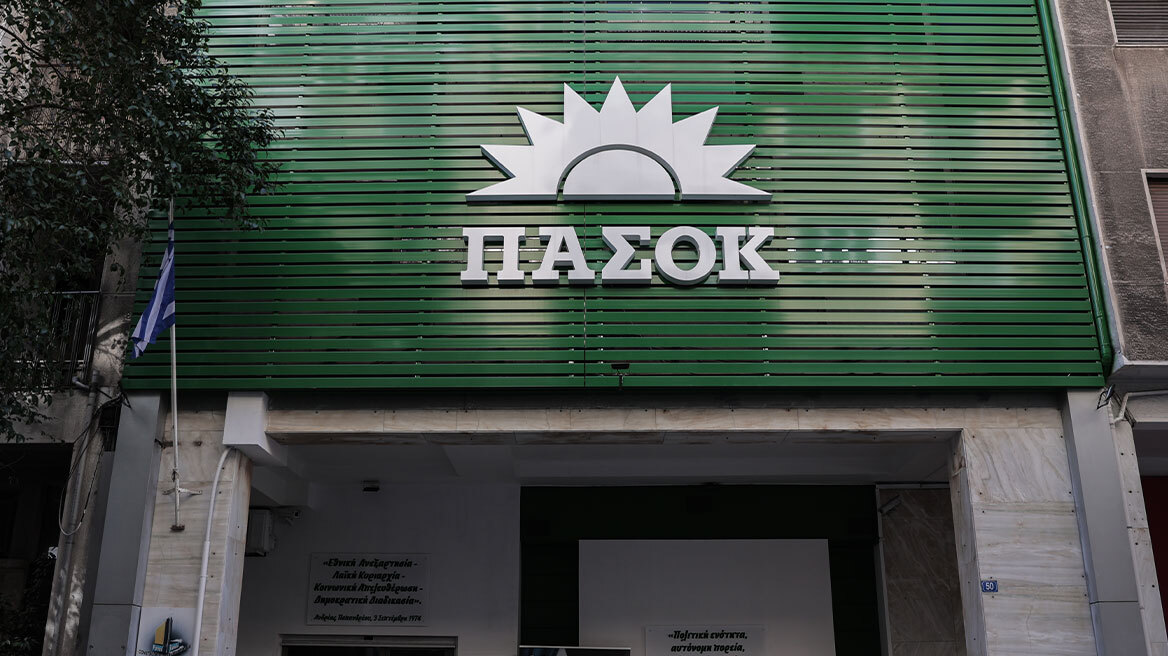
Party strategists at Harilaou Trikoupi, the historic Athens headquarters of PASOK, believe a combative stance in the legislature is essential to convince voters that the socialists represent the principal opposition force in the country.
The parliamentary dispute focuses on a broader package regulating non-performing loans and borrower protections. Opposition scrutiny recently compelled the government to withdraw Article 26, alongside related language under Article 23, following intense public backlash over foreclosures.
PASOK lawmakers intend to renew their pressure during Wednesday's parliamentary debate by challenging remaining clauses in the bill that affect mortgage holders and consumers. Other opposition parties, including the leftist SYRIZA and the New Left group, are mounting similar challenges against the measure.
Addressing party officials on Monday, Mr Androulakis said borrowers would have received no protection if PASOK and other opposition parties had not stood up in parliament against what he called an outrage. He warned that falling behind by only a few monthly payments would have exposed citizens to the immediate seizure of their homes.
Mr Androulakis also opened a political front against former prime minister Alexis Tsipras, who led Greece from 2015 to 2019. He argued that the legal framework permitting distressed debt funds and private loan servicers to take over non-performing loans was first introduced under the coalition government of Mr Tsipras and Panos Kammenos.
He accused the ruling New Democracy administration of failing to protect citizens and instead handing them over to loan management companies without safeguards, adding that the withdrawn clause showed the government acted without restraint.
Taking his campaign to social media on Tuesday, Mr Androulakis posted a video on TikTok calling on Mr Mitsotakis to attend Wednesday's session in parliament. He described the disputed clause as another government gift to financial funds at the expense of borrowers, saying public exposure had forced ministers into a hasty retreat.
He told the prime minister that the controversy was far from resolved, insisting that democratic government requires accountability rather than a rule of silence.
Party expansion and candidate lists
Beyond the parliamentary arena, PASOK is working to expand its electoral appeal ahead of the debate on the 2027 state budget. Party leaders plan to follow up their legislative push with regional tours and public conferences to present their governing program to voters.
Recent opinion polls show PASOK making steady progress in closing the gap with the party led by Mr Tsipras. Party officials say the improved numbers have boosted internal morale and prompted new candidates to seek inclusion on socialist election lists.
The candidate drive is being steered by an enlargement committee led by veteran politician Kostas Skandalidis. The committee is working across all electoral districts to attract figures from the political centre and the wider centre-left.
On Monday, the party announced a new roster of 21 figures joining its pre-election campaign. The group includes former party members who had drifted away in previous years, as well as recruits from allied political movements.
Among the returning figures is Apostolos Papatolias, a former prefect who previously aligned with SYRIZA under Mr Tsipras. The list also features retired vice-admiral Stelios Fenekos, the head of the Society of Values movement and a frequent commentator on foreign affairs.
Senior party officials indicated that several individuals from the enlargement group will be invited to stand as parliamentary candidates. The recruitment effort comes as PASOK continues an intense contest with the right-wing Greek Solution party, known as ELAS, in key regional constituencies.
Peloponnese tour and local government
PASOK plans to turn its attention to southern Greece on Thursday with a tour across the Peloponnese. The visit coincides with the annual conference of the Central Union of Municipalities of Greece, known as KEDE, which gathers local government figures in Kalamata.
Party leaders and organizers will begin their regional tour in Messinia. Mr Androulakis is scheduled to address the municipal congress on Thursday before travelling to Arcadia to meet with local civic representatives and residents.
The tour may also include a stop in Corinthia, an electoral district where PASOK strategists believe the party can win an additional seat in the next parliamentary election.
Criticism of foreign policy
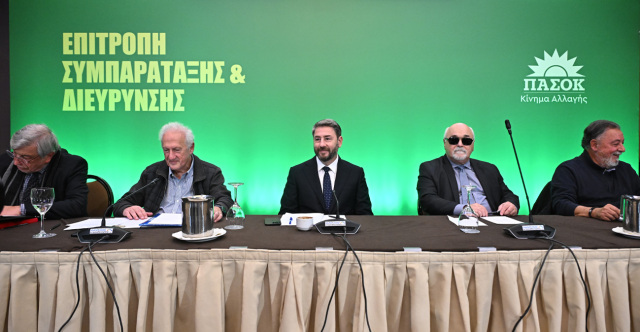
Foreign policy issues formed a central part of Mr Androulakis's address on Monday to the party's cooperation and enlargement committee. He proposed establishing a new Helsinki framework to modernize Turkey's 1996 customs union with the European Union under an updated treaty.
However, he insisted that any upgraded agreement must include automated economic sanctions that take effect immediately whenever Turkey violates the sovereign rights of Greece or Cyprus.
Addressing Prime Minister Mitsotakis's speech at the United Nations General Assembly in New York, which had drawn praise in an article by former socialist leader Evangelos Venizelos, Mr Androulakis urged the government to avoid diplomatic public relations stunts. He said Mr Mitsotakis had merely done his duty at the international gathering, adding that national success depends on concrete results.
Mr Androulakis also directed strong criticism at the government over the maritime boundary agreement signed between Turkey and Libya in 2019. He noted that seven years had passed since the original agreement, recalling that New Democracy ministers initially claimed they had lacked sufficient time to intervene.
He observed that eastern Libyan authorities had recently reaffirmed the pact with Turkey, despite visits to Athens by military commander Khalifa Haftar and his sons, and despite statements by Greek Foreign Minister Giorgos Gerapetritis that diplomatic wounds were healing. He described the outcome as an unmistakable failure.
Turning to energy policy, Mr Androulakis questioned the progress of the planned subsea electricity interconnector linking Greece and Cyprus. He said European taxpayers were funding the major infrastructure project, yet the government had never presented parliament with a clear timetable or specific data despite repeated opposition requests.
Mr Androulakis expressed deep concern over reports indicating the cable project might proceed through indirect recognition of invalid Turkish maritime claims, whether through licensing or prior notification. He said the project involved sovereign rights and had to comply fully with international law, warning that any other approach would mark another diplomatic failure.