

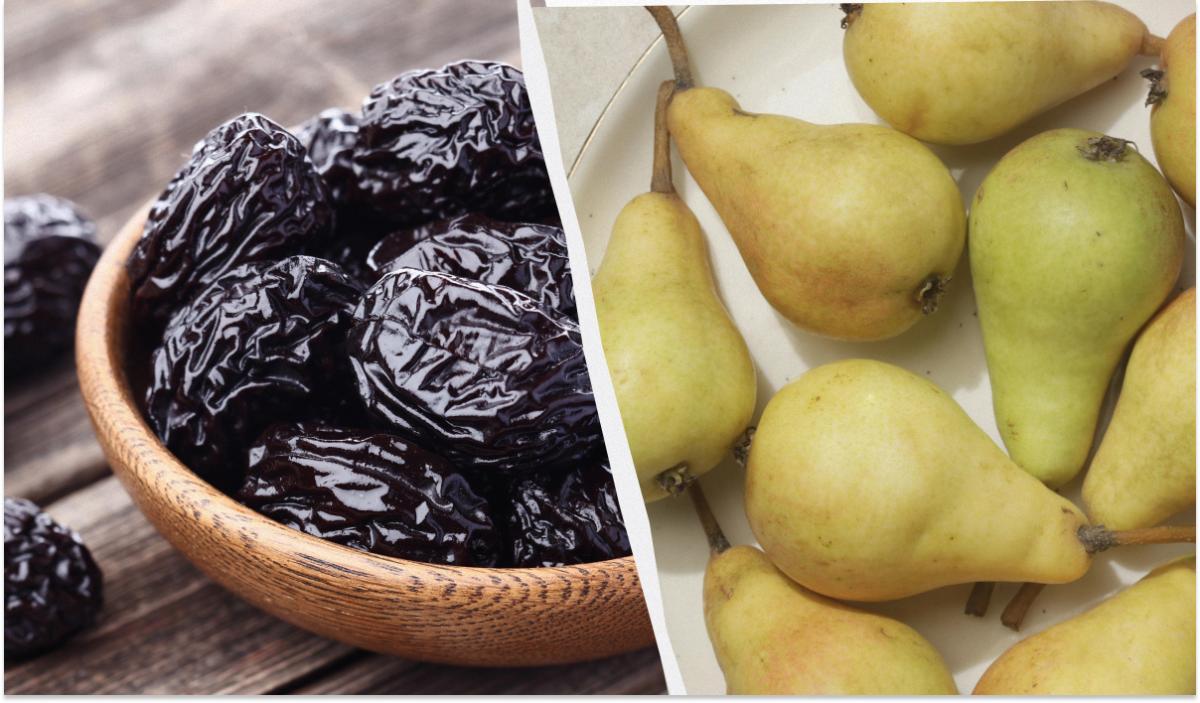
Pears and prunes relieve digestive issues through distinct biological mechanisms, according to health publication Verywell Health.
Both fruits contain a combination of soluble and insoluble dietary fiber that promotes intestinal regularity, though they address gastrointestinal symptoms in contrasting ways. Soluble fiber absorbs water in the digestive tract to soften stool, while insoluble fiber acts like a brush to sweep waste through the intestines.
A portion of this dietary fiber ferments in the gut to feed beneficial bacteria. As these bacterial colonies flourish, they expand and reduce the space available for harmful microorganisms to populate the digestive system.
Nutritional Differences and Sorbitol in Prunes
Prunes, which are dried plums, have long served as a natural remedy for constipation, a claim supported by clinical research. Their effectiveness stems from both fiber content and the presence of sorbitol, a sugar alcohol that is absorbed poorly by the human body.
A study published in the journal Clinical Nutrition found that sorbitol draws water directly into the large intestine, softening stool to ease evacuation. In addition, the insoluble fiber in prunes helps move food that has slowed down in the intestinal tract.
However, excessive sorbitol intake presents health risks. Research published in the journal Canadian Family Physician indicates that consuming between 5 and 20 grams of sorbitol can trigger diarrhea in sensitive individuals. When eaten in moderate daily amounts, prunes help prevent constipation, nourish beneficial microbes, and maintain regular bowel movements.
According to figures from the United States Department of Agriculture FoodData Central database, a single serving of five prunes weighing 50 grams contains 115 calories, 16 grams of water, 3 grams of fiber, 1 gram of protein, and 16 grams of sugar. The serving also supplies 22 milligrams of calcium, 22 milligrams of magnesium, and 394 milligrams of potassium.
Hydration and Structural Fiber in Pears
While prunes deliver more dietary fiber per gram of weight, fresh pears provide substantial hydration to the digestive system. Intestinal moisture is essential for health, as insufficient fluid causes stool to become dry and hard.
A review published in the journal Nutrition Today revealed that roughly 30 percent of the fiber in a pear is soluble, while 70 percent is insoluble. The soluble portion includes pectin, a structural plant polysaccharide that forms a gel when mixed with water to keep stool soft.
The insoluble portion contains lignin, a tough organic plant polymer responsible for the gritty texture felt when biting into a pear. Water consumed through food contributes directly to daily fluid requirements alongside beverage intake.
Data from FoodData Central shows that one small pear weighing approximately 148 grams delivers 84 calories, 124 grams of water, 4.6 grams of fiber, 0.5 grams of protein, and 14 grams of sugar. It also provides 13 milligrams of calcium, 10 milligrams of magnesium, 172 milligrams of potassium, and 6 milligrams of vitamin C.
FODMAP Sensitivity and Dietary Management
Despite their digestive benefits, both fruits can trigger abdominal bloating and excess gas due to fermentable carbohydrates known as FODMAPs, short for Fermentable Oligosaccharides, Disaccharides, Monosaccharides, and Polyols. These short-chain carbohydrates ferment in the gut and cause discomfort in sensitive individuals.
Data from Monash University in Australia classifies prunes as a high-FODMAP food due to their sorbitol content. Experts advise people monitoring FODMAP intake to limit prune consumption to one or two fruits per serving and to avoid eating them alongside other high-FODMAP foods.
Pears contain both sorbitol and fructose, leading clinical guidelines to recommend their complete removal during the initial phase of a low-FODMAP diet. The low-FODMAP protocol involves three distinct phases: initial food restriction, gradual reintroduction of specific foods, and the establishment of a customized long-term eating plan.
Health Benefits of Fruit and Vegetable Juices
Dietary choices beyond whole fruits also influence internal organ function and overall health. Research indicates that beetroot juice and tart cherry juice support bodily functions through separate physiological pathways.
Beetroot juice is rich in dietary nitrates, which help relax blood vessels and can lower blood pressure in individuals suffering from hypertension. In contrast, tart cherry juice supports sleep regulation, with research showing that drinking one glass twice daily increases total sleep duration by an average of 84 minutes.


