

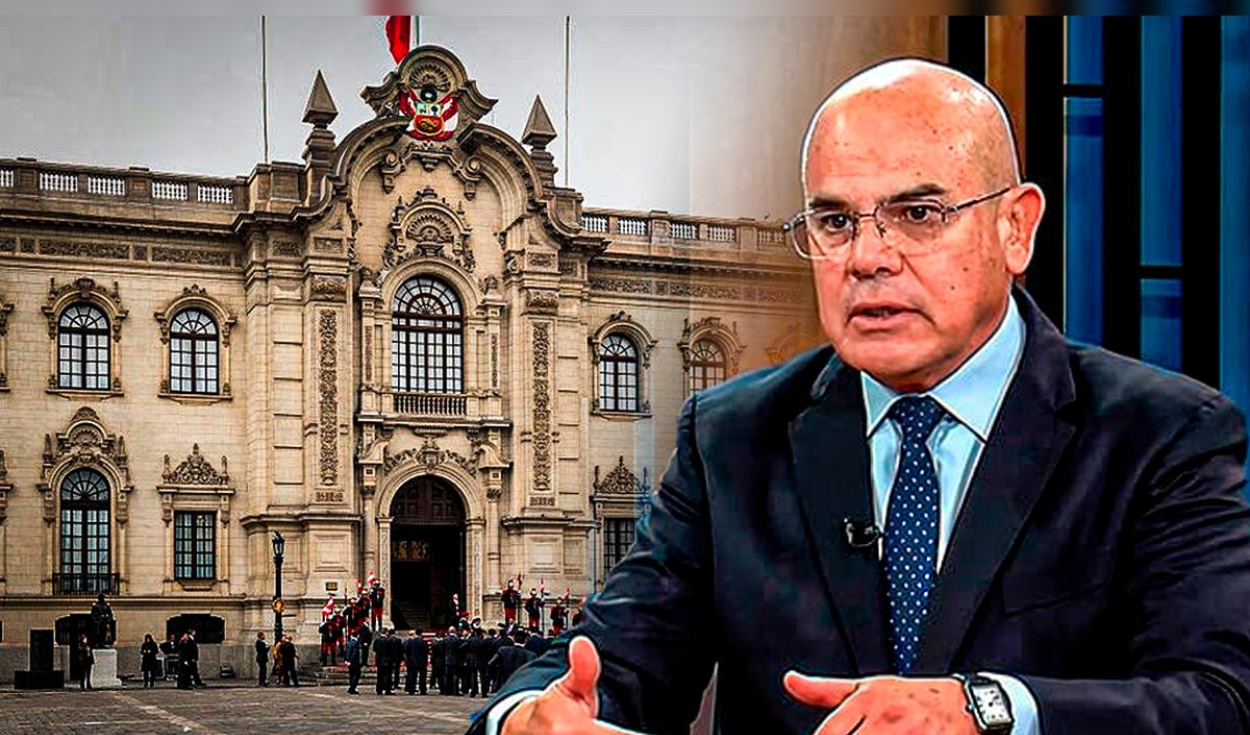
Peruvian Justice Minister Ernesto Álvarez has published an open letter asking President Keiko Fujimori to transfer the Place of Memory museum to his ministry.
Álvarez first proposed moving the administration of the Place of Memory, Tolerance and Social Inclusion from the Ministry of Culture to the Ministry of Justice and Human Rights during the second week of August. He released the open letter on August 17 on his social media accounts to pressure Fujimori's executive branch to implement the transfer.
The museum, known as LUM, is a state-supported institution in Lima established to commemorate victims of Peru's internal armed conflict between 1980 and 2000. Álvarez argued that the facility should fall under his ministry because its contents address the period of internal armed conflict directly.
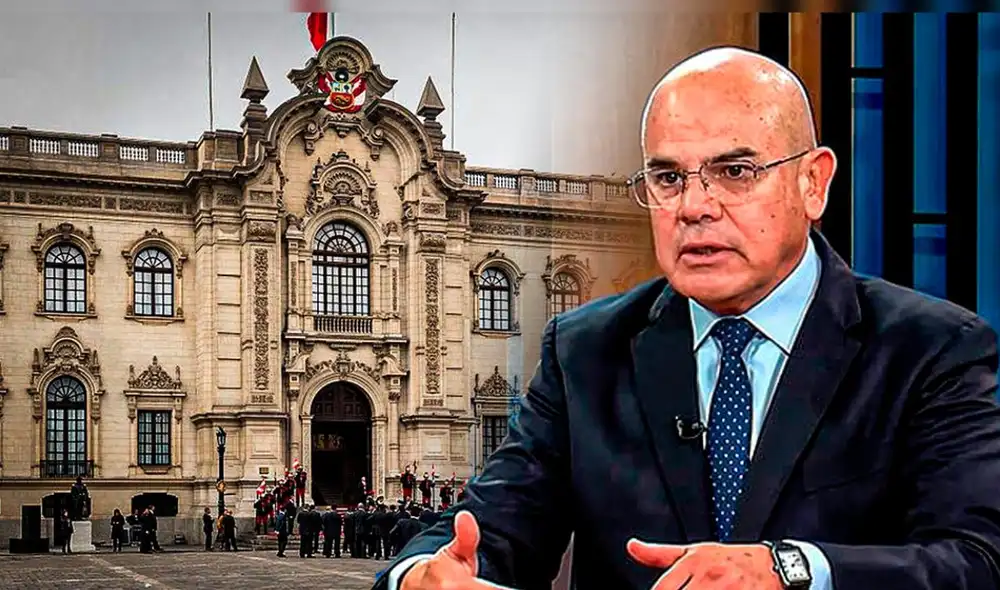
Support from former officials
The document, titled an open letter to President Keiko Fujimori regarding the proposals of Justice Minister Ernesto Álvarez, was signed by 21 citizens. The signatories include jurists, former members of congress, and opinion leaders, notably former APRA congress member Jorge del Castillo, former congresswoman Gladys Echaíz, former Justice Minister Aurelio Pastor Valdivieso, and former Defense Minister Ántero Flores-Aráoz.
In the letter, the signatories endorsed moving the museum to the Justice Ministry, claiming that its educational role has been completely restricted by ideologized elements. They also expressed support for reforming the Inter-American System of Human Rights, claiming its functions are biased, have interfered in Peruvian judicial proceedings, and have damaged trust in supranational justice.
Congressional opposition to the move
The transfer proposal has faced rejection in the Senate, where Senator Ruth Luque of the Ahora Nación party criticized the initiative. Speaking to RPP, Luque stated that Fujimorism has long shown an open ideological bias regarding the memory museum, adding that she hoped politicians would visit the venue rather than spreading claims that it ignores historical events.
Luque explained that the Ministry of Justice primarily manages the National Penitentiary Institute and formulates opinions on Penal Code modifications, making its operational scope distinct from cultural management. She noted that the museum has remained under the Ministry of Culture since its creation with backing from the state and foreign embassies, adding that the current Minister of Culture has not yet issued an opinion on the proposed transfer.


