

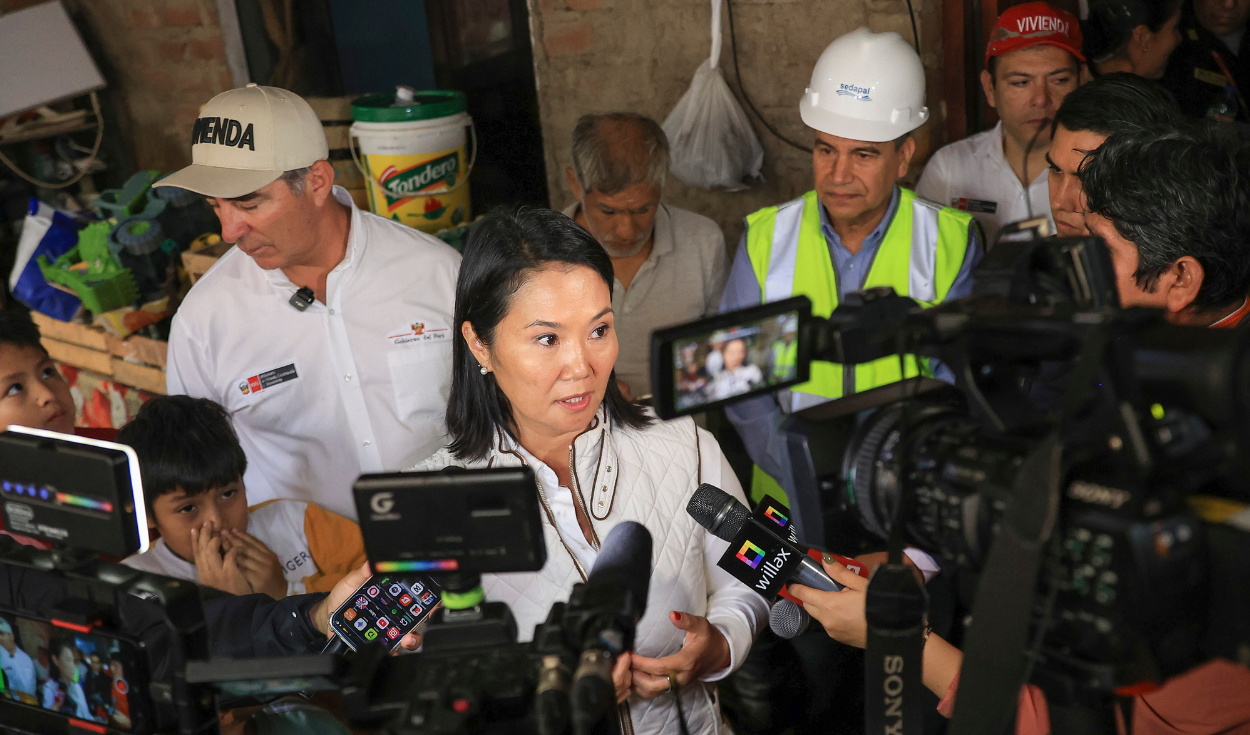
Peruvian President Keiko Fujimori has announced a complete restructuring of state water utility Sedapal after blaming the company for widespread sewage flooding in Villa El Salvador.
Visiting the affected area in Sector 1, Fujimori confirmed that heavy rainfall has damaged at least 73 homes and affected more than 300 residents across South Lima as the central government prepares to declare a state of emergency in multiple regions.
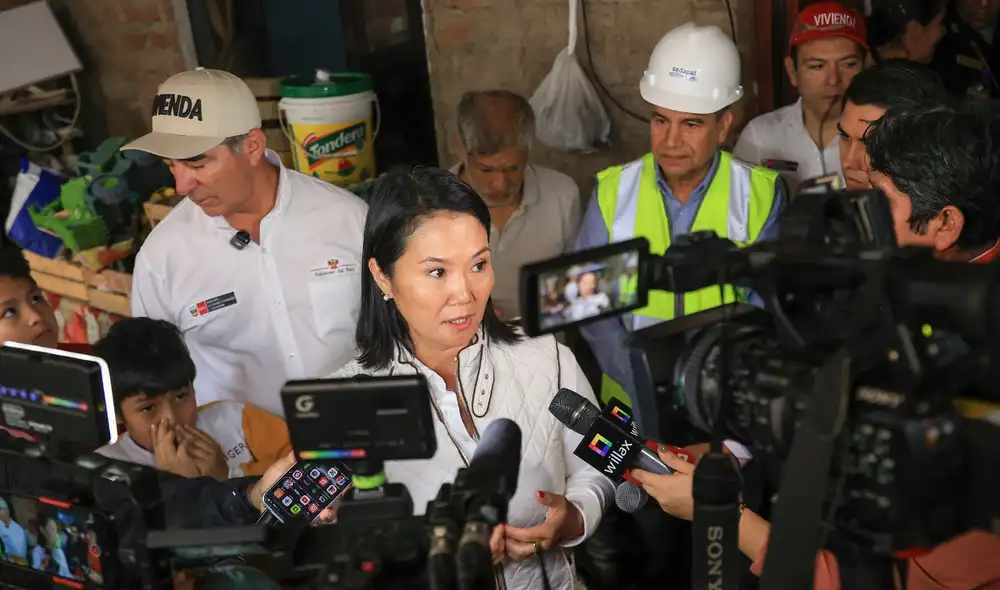
Sedapal, formally known as Servicio de Agua Potable y Alcantarillado de Lima, is the state-owned utility responsible for water supply and sanitation services across Metropolitan Lima. The district of Villa El Salvador, located in the southern urban expanse of Lima Sur, has seen severe inundations after local drainage networks failed during recent heavy downpours.
Infrastructure Failures and Pipeline Repairs
During her inspection of the damage, Fujimori stated that the crisis was not caused by weather alone. She highlighted structural damage in the primary sewage pipeline matrix running through the district, noting that residents had reported persistent failures in that infrastructure for nearly ten years without receiving a timely resolution.
Fujimori announced that an order has already been issued to replace the damaged pipeline main. According to information provided to her during the visit, replacing the affected matrix is expected to take between one and two months.
Addressing reporters and local residents in Sector 1, Fujimori observed that the situation stemmed from a combination of structural failure, equipment breakdown, and organizational deficiencies within the utility company. Central government authorities are now coordinating directly with the Municipality of Lima and the Municipality of Villa El Salvador to pump out accumulated water and deliver immediate relief to displaced families.
School Closures and Emergency Response
The floodwaters also damaged three educational institutions in Villa El Salvador. Fujimori explained that classes at the three damaged schools will resume in one week, following comprehensive cleaning, disinfection, and pest control operations. In three nearby districts where educational facilities suffered no damage, classes are scheduled to resume tomorrow.
The central government is expanding emergency measures as weather services monitor the impacts of DANA Anibal, a severe high-altitude atmospheric depression that has brought heavy precipitations to coastal and mountainous areas. Fujimori warned that rainfall is expected to persist for two to three more days, raising concerns that the number of impacted households could increase further.
Nationwide Emergency and Cabinet Assignments
In response to the storm system, the executive branch will declare a state of emergency across several affected districts in southern Peru and the Andean highlands. Multiple cabinet ministers have been deployed to lead relief efforts in key locations across the country.
Minister of Defense Rafael Belaunde will travel to the southern department of Arequipa to oversee emergency operations there, as well as in the neighboring regions of Moquegua and Tacna. Minister of Agricultural Development and Irrigation Marco Vinelli will travel to affected areas in the sierra region. Officials from the Ministry of Health and the Ministry of Education are also participating in the coordinated response, focusing on structural assessments of damaged school buildings.
Relief Aid and Safety Evaluations
The central government will dispatch food supplies to affected families and has issued an appeal to the private sector for emergency assistance. Many residents in Villa El Salvador lost crucial livelihood equipment in the floodwaters, including sewing machines, cooking stoves, and refrigerators.
Once the rains subside, health teams will conduct widespread fumigation to prevent disease outbreaks linked to stagnant water and mud accumulation. Following the cleanup, Peru's civil defense agency, the National Institute of Civil Defense, known as INDECI, will inspect damaged residential structures for potential earthquake vulnerabilities. Based on the outcome of those structural assessments, some families may require permanent relocation.


