

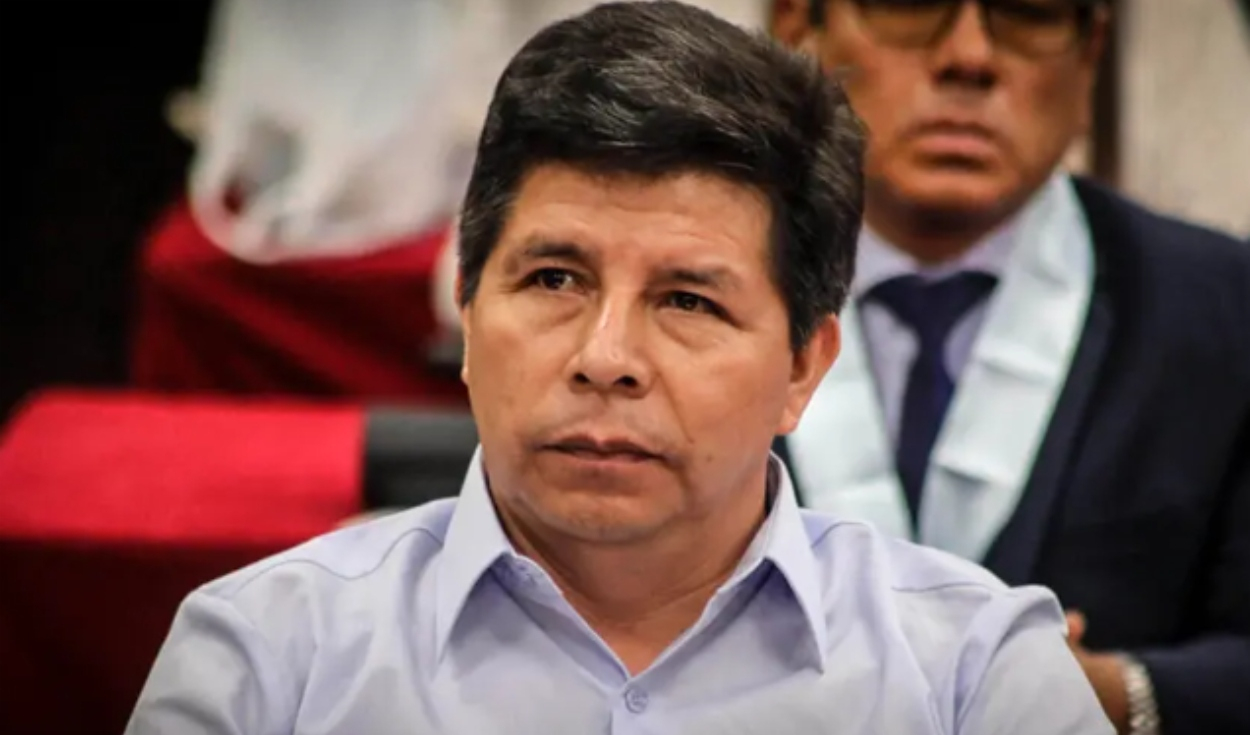
The Second Constitutional Court of Lima has rejected a habeas corpus petition filed by former Peruvian president Pedro Castillo to annul his 11-year prison sentence.
Judge Ana Osorio Sosa dismissed arguments from Castillo's defense team that relied on a United Nations Working Group report calling his detention arbitrary and recommending his immediate release.
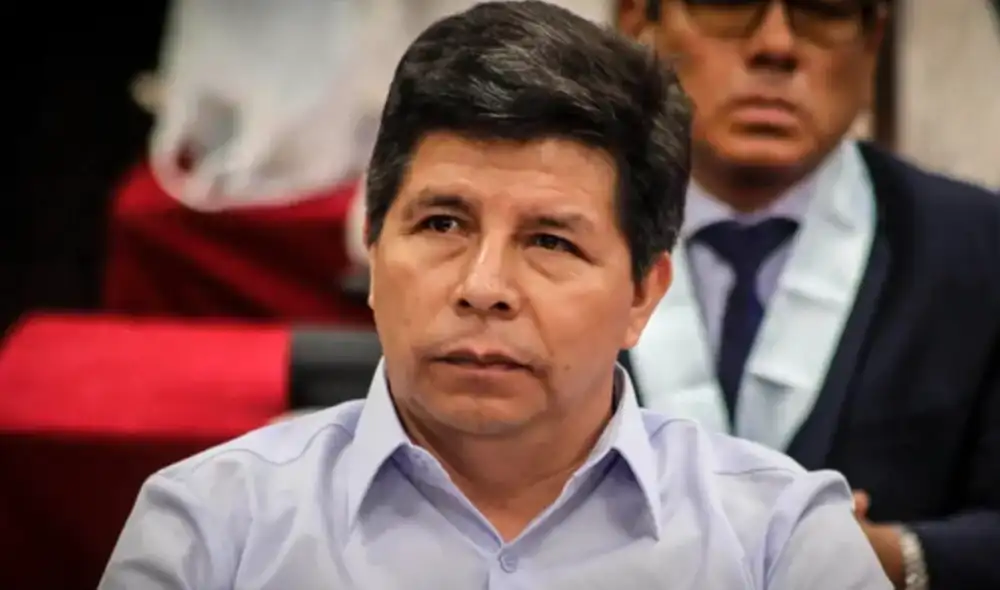
The court determined that the opinion of the UN body does not constitute a binding jurisdictional decision for the Peruvian state and carries no direct authority over domestic court rulings or ongoing judicial proceedings.
In her ruling, Judge Osorio Sosa stated that Castillo's detention was not arbitrary because it was not based on alleged flagrancy. Instead, the court found that his imprisonment resulted from a substantive judicial decision tied directly to his criminal prosecution for conspiracy to rebellion.
Scope of the Habeas Corpus Petition
Castillo's defense had asked the constitutional court to overturn his sentence of 11 years and 5 months in prison for conspiracy to rebellion. The legal filing also sought to invalidate his presidential vacancy, the removal of his parliamentary immunity, and the preventive detention order issued against him.
A habeas corpus petition is a constitutional legal mechanism intended to protect personal liberty when a person is subjected to unlawful detention or procedural violations. In Peru, constitutional courts review such claims to determine whether basic constitutional rights have been breached during legal proceedings.
The judge underscored previous findings by Peru's Constitutional Court regarding the events of December 7, 2022. The Constitutional Court affirmed that Castillo did not simply lose office through congressional impeachment, but rather delivered a broadcast attempt to break the constitutional order and establish a de facto government.
Removal of Immunity and Emergency Rulings
Addressing the defense's challenge to the removal of Castillo's presidential immunity, the ruling recalled the Constitutional Court's determination that standard parliamentary procedures could not be followed due to an emergency situation unfolding at the time of his removal.
Castillo, a former rural schoolteacher and peasant union leader, was elected president of Peru in July 2021. His presidency was marked by frequent cabinet reshuffles and political conflicts with Congress, culminating in his televised announcement attempting to dissolve the legislature in December 2022.
Because the criminal prosecution against the former president remains active, Judge Osorio Sosa noted that evaluating any findings from the UN Working Group falls under the jurisdiction of the ordinary courts handling the criminal trial.
Role of International Bodies in Peruvian Law
The UN Working Group on Arbitrary Detention is a body of independent experts that evaluates complaints regarding international human rights standards. While international organizations frequently issue advisory opinions on detention conditions, Peruvian judicial authorities maintain that domestic legal rulings take precedence in ongoing criminal trials.
Castillo will remain incarcerated while his broader criminal case proceeds through the Peruvian judicial system. Ordinary criminal courts will continue to handle the substantive charges and procedural evaluations regarding his conviction for conspiracy to rebellion.


