

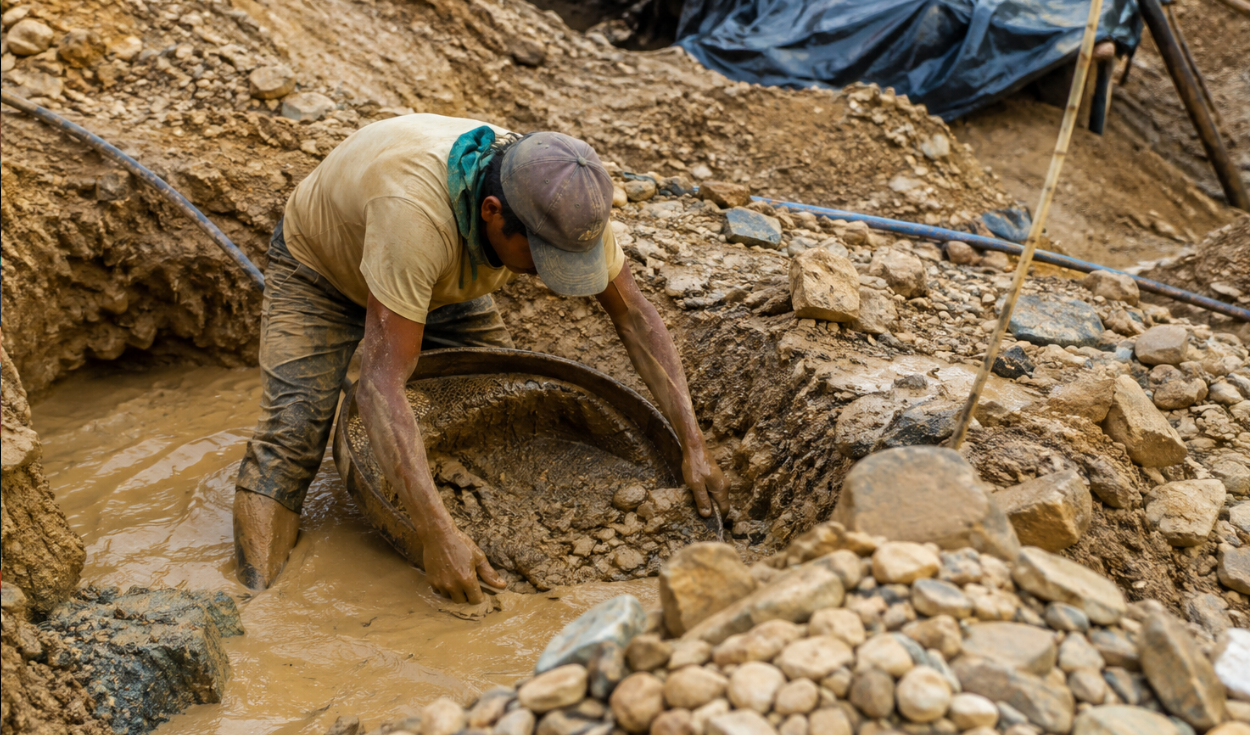
Peru's Ministry of Energy and Mines is considering extending the Comprehensive Mining Formalisation Registry past 2027 for miners making effective formalisation progress.
Energy and Mines Minister Guillermo Shinno stated that any potential continuity of the registry, known as REINFO, would not apply automatically to all enrolled workers. Instead, the government is evaluating options specifically for miners who have demonstrated genuine progress in regularising their activities but cannot finish before current deadlines.
Ministry estimates indicate that roughly 30,000 workers could qualify for the proposed measure following a recent cleanup of the official register. The Ministry of Energy and Mines acts as Peru's principal regulatory authority for energy, petroleum, and mineral extraction.
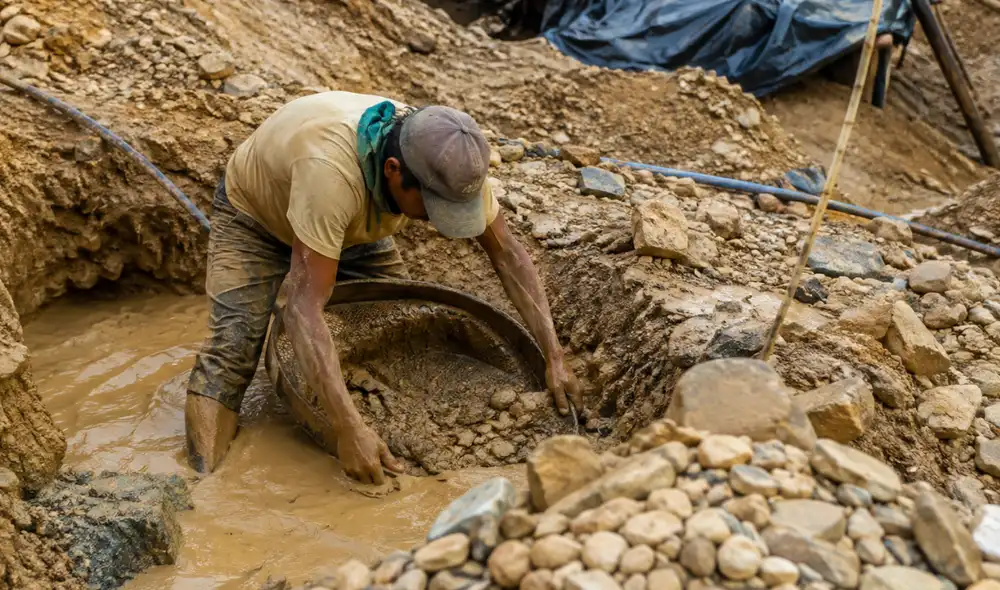
Targeted continuity for formalising miners
The current legal framework governing small-scale mining formalisation is set to expire on December 31, 2026. This deadline was established under Law No. 32537, which sets the rules for small-scale and artisanal operators nationwide.
Law No. 32537 also provides that the formalisation process may conclude prior to the December 2026 cutoff if a new legislative framework for small-scale and artisanal mining enters into force alongside its official regulations.
In statements reported by the financial publication Gestión, Shinno maintained that any eventual extension would be strictly limited to applicants who have advanced their formalisation files. He underscored that verified progress, rather than simple enrollment in REINFO, will be the decisive requirement.
This approach marks a significant shift from previous registry extensions, which routinely allowed all registered miners to maintain temporary status. Shinno noted that the new criteria aim to distinguish active applicants from passive registrants.
Shinno questioned current administrative requirements, explaining that existing procedures can prove overly complex for small producers. He emphasized that government rules must support workers who sincerely intend to achieve legal standing.
The legislative timeline and MAPE Law
While assessing options for miners with pending files, the Ministry of Energy and Mines is drafting a new Small-Scale Mining and Artisanal Mining Law, known as the MAPE Law. The initiative aims to overhaul formalisation standards to better reflect operational realities.
The ministry intends to simplify administrative requirements for legitimate small-scale operators while establishing clearer mechanisms to identify individuals using formalisation status as cover for illegal mining activities.
However, the government faces a tight legislative calendar. Officials expect to submit the proposed MAPE Law to Congress in November 2026, just one month before the existing formalisation period expires on December 31.
The narrow timeline raises a crucial question regarding the status of miners who are actively fulfilling formalisation requirements but remain unfinished when the year ends. The executive branch considers a targeted REINFO extension essential to prevent compliant workers from losing legal protection.
Artisanal and small-scale mining represents a major component of Peru's informal economy, employing thousands of miners across mineral-rich Andean and Amazonian regions. Peru ranks among the world's top global exporters of gold and copper.
Debate over repeated registry extensions
The prospect of extending REINFO has reignited political debate over a registry originally established as a temporary emergency measure. Over several years, repeated legislative extensions have drawn criticism from industry analysts and policymakers.
Several members of the Peruvian Congress have voiced strong opposition to another extension. Lawmakers urged the executive branch to prioritize the passage of the MAPE Law, arguing that further delays prolong a system that has failed to complete sector-wide formalisation.
Shinno acknowledged these concerns, stating that the current REINFO framework must reach a definitive conclusion. He noted that the solution requires replacing the outdated formalisation model rather than repeatedly granting administrative extensions.
The government now faces the challenge of managing a smooth regulatory transition. Officials aim to avoid a broad, blanket extension while ensuring that diligent miners receive adequate time to finalize their legal requirements.
Security concerns and illegal mining in Pataz
The formalisation debate is further complicated by the urgent need to separate legitimate artisanal miners from illegal mining operations tied to criminal syndicates.
Ministry officials affirmed that the new MAPE Law must equip authorities to differentiate between law-abiding small miners and illegal operations. This issue is particularly critical in Pataz, a province in northern Peru's La Libertad region known for extensive gold deposits.
In Pataz, illegal mining activities have been linked to organized crime networks, prompting ongoing security operations by Peruvian state forces. Consequently, any extension of REINFO must establish precise eligibility rules and strict operational conditions.
The primary risk for the government is ensuring that a transitional bridge does not transform into another open-ended extension. For advancing miners, the central concern is whether administrative delays will cause them to lose their formalisation path before new legislation is passed.
At present, no extension has been legally approved, and the statutory deadline remains December 31, 2026. The next steps depend on whether Congress approves the new MAPE Law in time and what transitional mechanism is adopted for miners with documented progress.


