

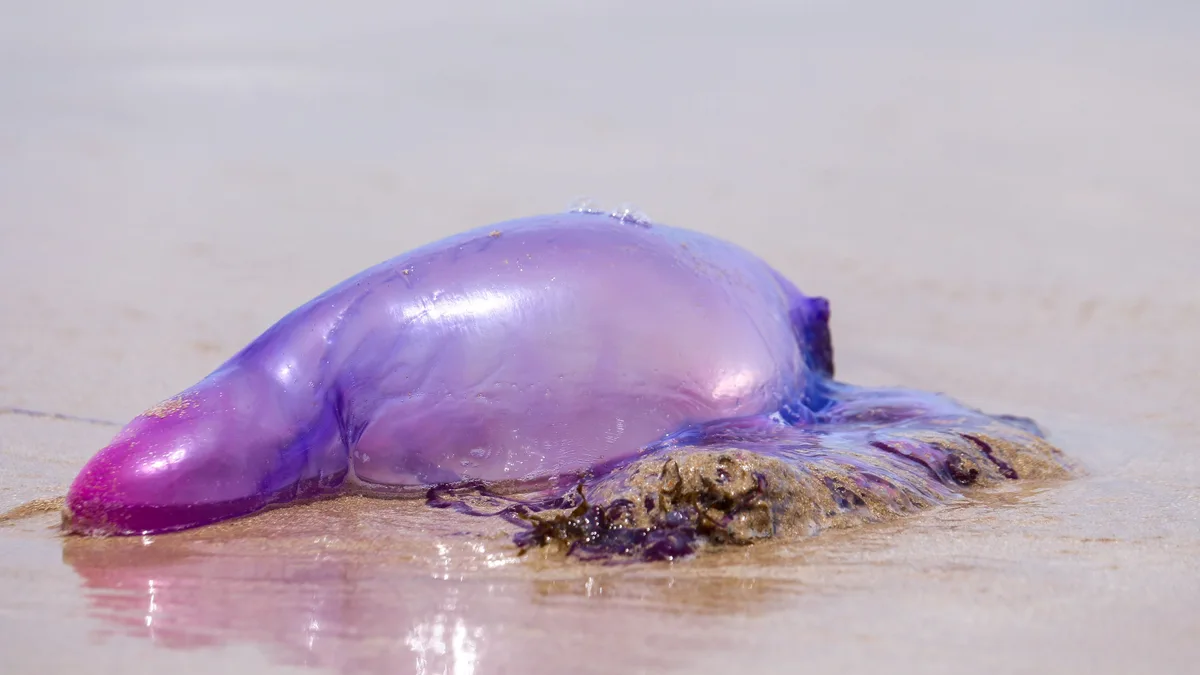
Portuguese man o' war stings have hospitalised two people in northern Spain after a weekend of incidents across beaches in the Basque Country.
A 55-year-old man was evacuated by helicopter from Aritzatxu beach in Bermeo after suffering cardiac complications from a sting.
Ambulances also transferred a nine-year-old girl in Bakio and a 54-year-old woman in Getxo, as beaches in the province of Bizkaia reported multiple requests for medical assistance.
Pharmacist Mar Santamaria said many dangerous insect and jellyfish stings are complicated by improper action.
Immediate response
The Basque Department of Health advised bathers to avoid the water if the organisms are spotted and never to touch them, even if they are washed up on the sand.
Anyone stung should go immediately to a lifeguard post and must not rub or scratch the area, which causes the tentacles to release more venom.
Any remaining tentacles should be removed using gloves, tweezers or a rigid plastic object like a credit card, but never with bare hands.
The wound must only be washed with sea water or saline. Fresh water causes the stinging cells, known as nematocysts, to burst and release more toxins due to the difference in osmotic pressure.
Pain relief and treatment
Medical evidence from clinical databases such as UpToDate and DynaMed shows the best immediate treatment for the pain is to immerse the sting in hot water between 40C and 45C for 20 minutes, which breaks down the proteins in the venom.
If hot water is not available, the official Basque protocol advises applying ice in a sealed plastic bag for five minutes, ensuring no fresh water touches the skin.
Health experts warned against using vinegar, alcohol or urine, which trigger the release of more toxins and increase the pain. Vinegar is often used to treat common jellyfish stings but is strictly contraindicated for the Portuguese man o' war.
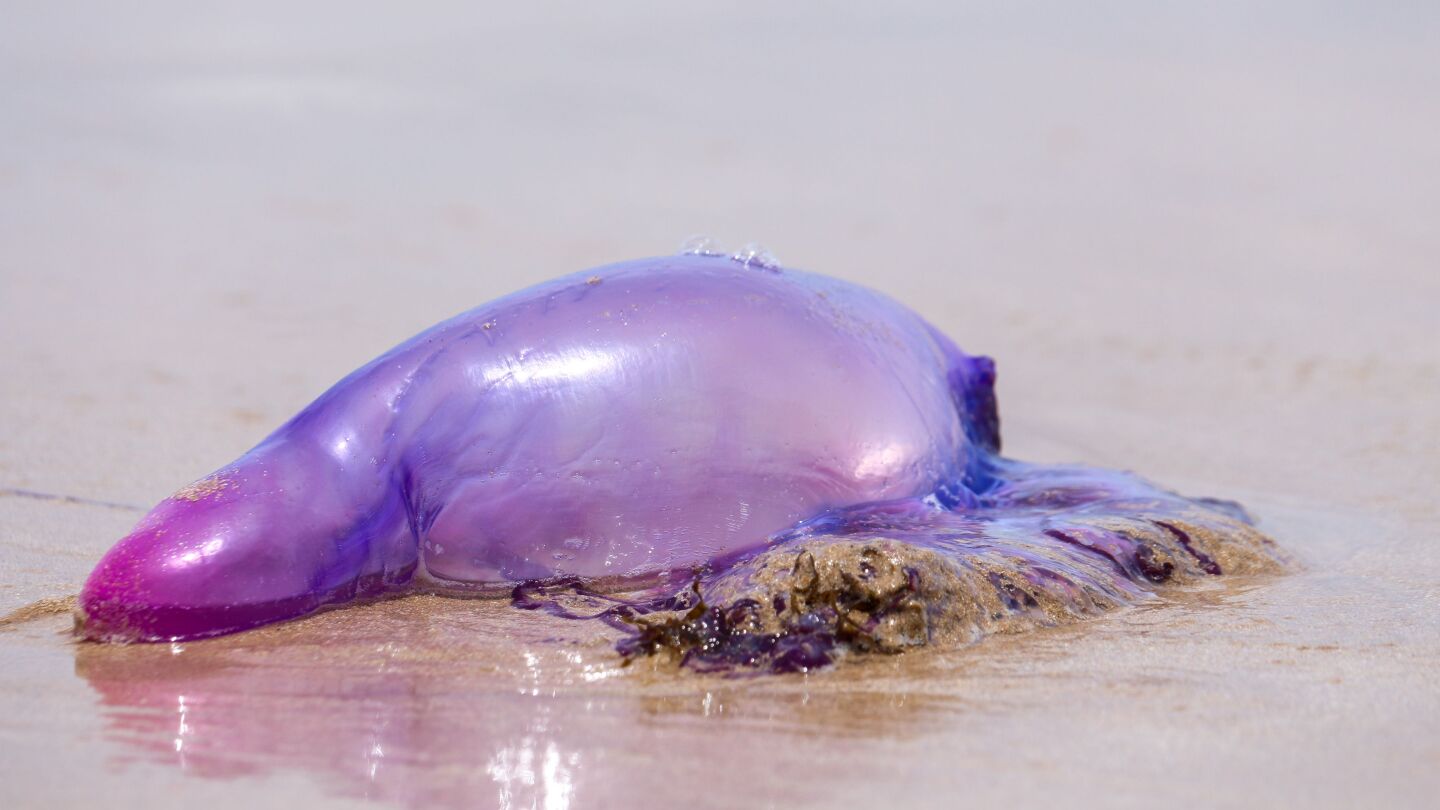
The Portuguese man o' war is a siphonophore, a colony of specialised individuals, rather than a true jellyfish. Its long tentacles carry a potent venom that causes intense pain.
Patients should seek medical attention for antihistamines, painkillers or topical corticosteroids to treat the symptoms, and monitor the wound for bacterial infection.
Immediate hospitalisation is required for dizziness, chest pain or breathing difficulties. Allergic patients can suffer severe shock requiring cardiac monitoring.


