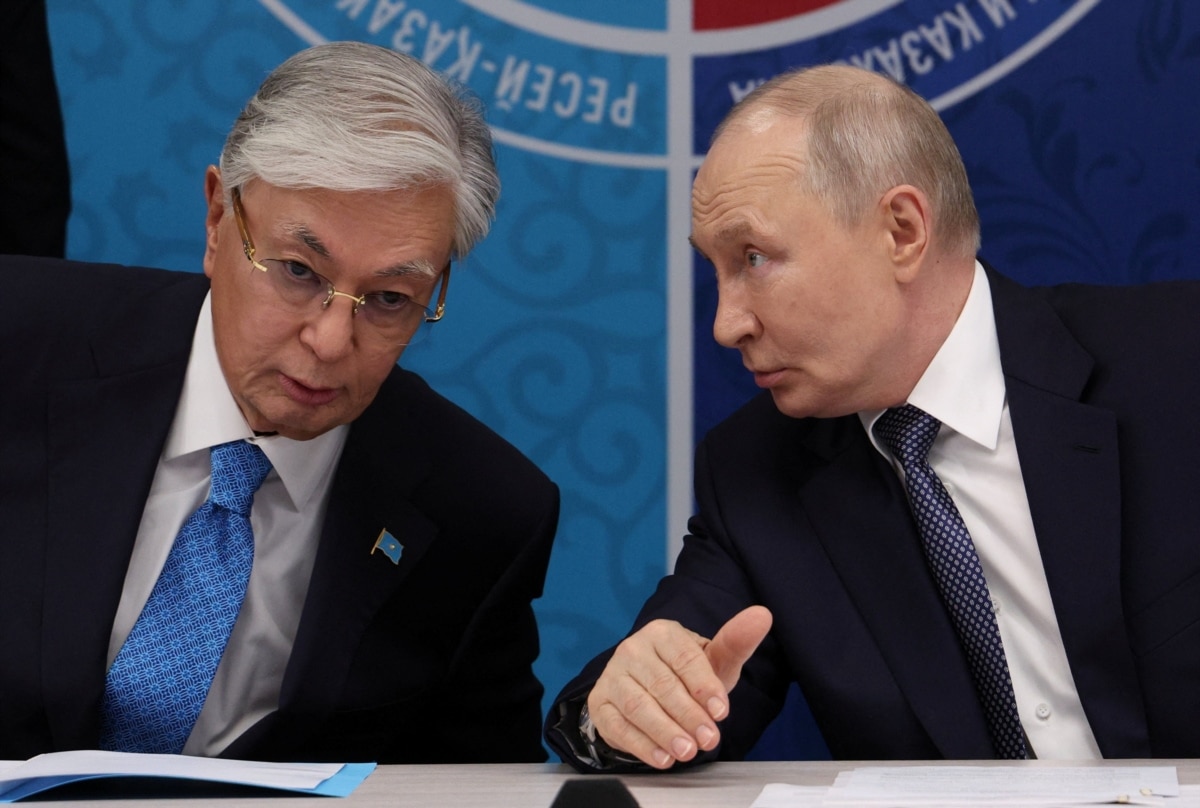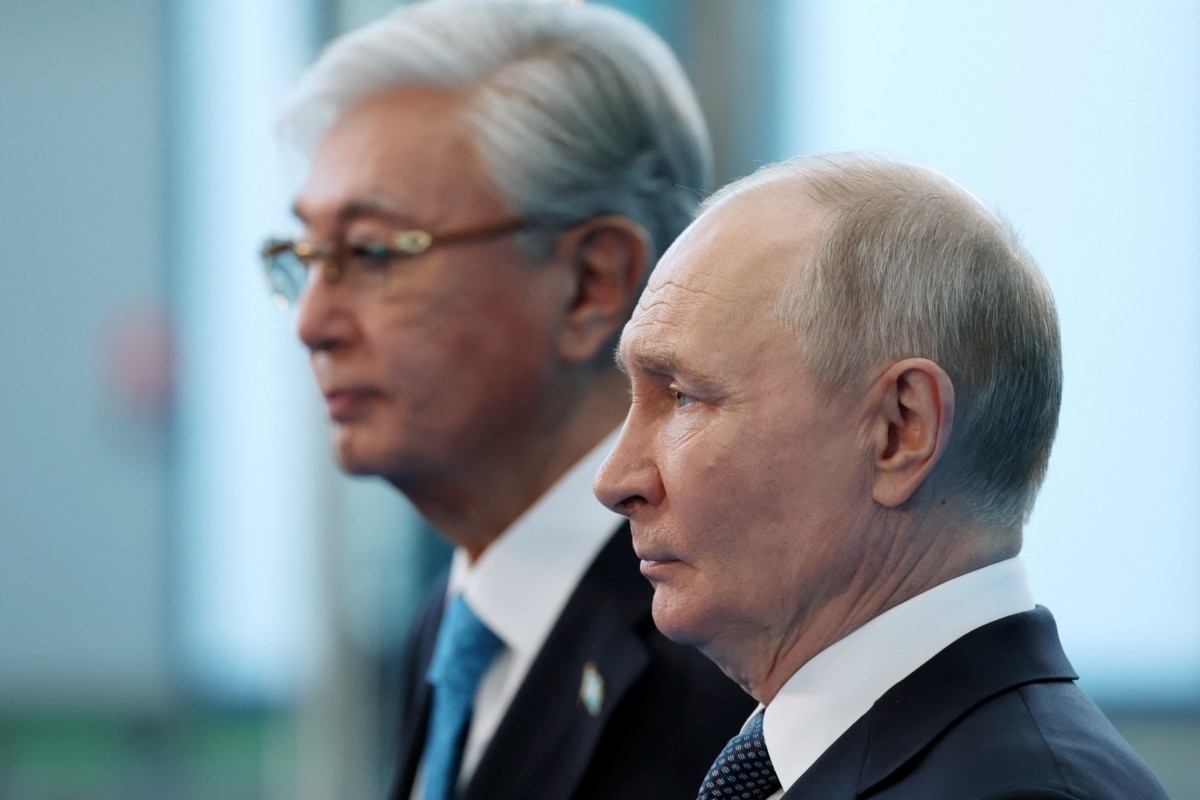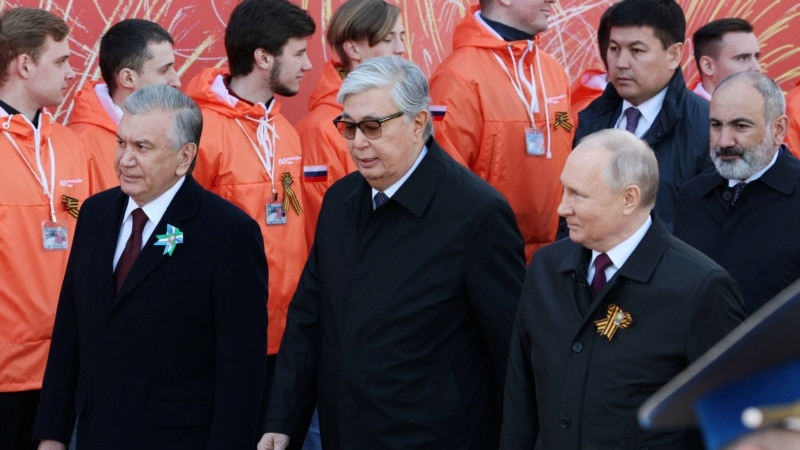
Russian President Vladimir Putin has ordered officials to revise military-technical cooperation agreements with Kazakhstan and Uzbekistan, according to instructions issued in late July 2026.
Moscow concluded the existing bilateral defense pacts with Astana in 2013 and with Tashkent in 2016. The documents currently govern arms and military equipment deliveries, mutual exchanges of defense products, and technology transfers.
Specific details regarding the Kremlin's proposed modifications remain undisclosed, according to Radio Free Europe's Central Asia service, Azattyk Azia. The Ministry of Defence of Uzbekistan did not respond to inquiries regarding the revisions. Kazakhstan's Ministry of Defence declined to comment on the drafting process before completion, stating that non-restricted information would be released through official government channels.
Escalating Wartime Pressures in Russia
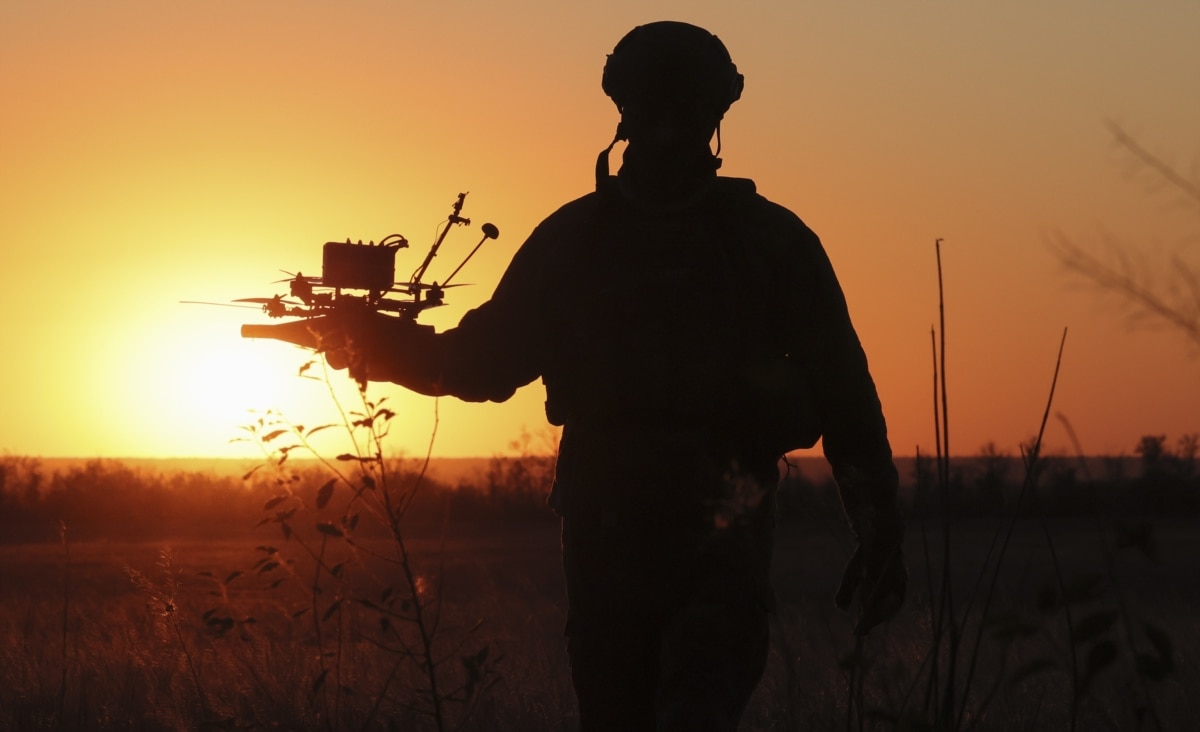
The decision to review the defense agreements comes as the war launched by Moscow against Kyiv in 2022 increasingly impacts Russian territory. Ukrainian uncrewed aerial vehicles regularly target oil refineries and industrial facilities across multiple Russian regions.
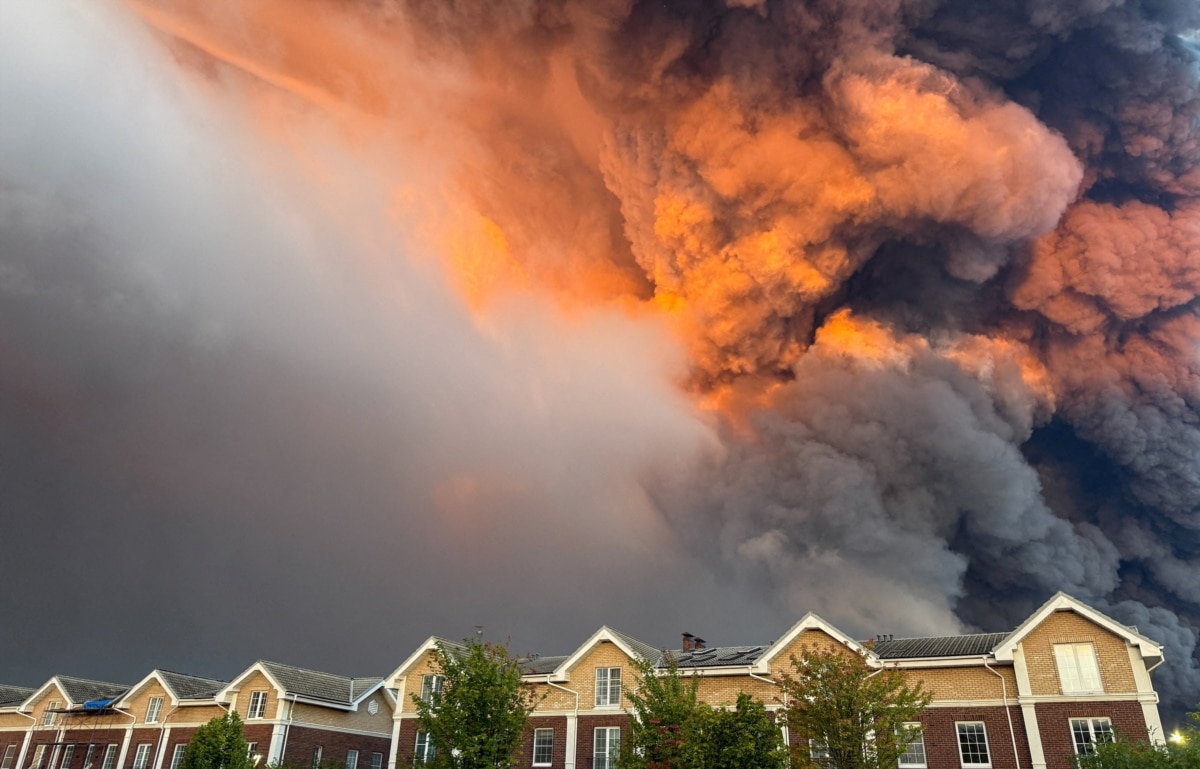
Attacks have also hit marketplace logistics infrastructure, including Wildberries fulfillment centers, alongside civilian infrastructure. Ukraine's Ministry of Defence reported that Ukrainian forces disabled seven of the 10 largest Wildberries facilities, including a major center in Koledino, Moscow Oblast, on August 16, 2026. These disruptions pose additional operational risks to the production and frontline delivery of weapons for Russia's defense-industrial complex.
Heavy sanctions imposed by Western nations have placed further strain on Russian military manufacturing. Data from the Stockholm International Peace Research Institute (SIPRI) indicates that Russian arms exports plummeted by 64 percent between 2021 and 2025 compared with the 2016-2020 period. Russia's share of the global arms market fell from 21 percent to 6.8 percent, marking its lowest export level in more than 70 years.
Foreign buyers have increasingly turned away as Russian forces remain tied down in Ukraine. India, historically the top importer of Russian weaponry, scaled back purchases after citing delivery disruptions caused by the conflict. While the existing military-technical agreements contain provisions for reciprocal deliveries from Central Asia to Russia, those terms were largely formal before the war. Moscow now seeks to protect export markets and expand defense-industrial collaboration with neighboring states.
Relocation of Military Production
Alisher Ilkhamov, head of the London-based research organization Central Asia Due Diligence, suggested that Russia may use the updated agreements to relocate portions of its defense manufacturing to Kazakhstan and Uzbekistan. Moving production lines would help protect facilities from Ukrainian long-range strikes.
Both Central Asian nations inherited substantial industrial infrastructure from the Soviet Union. Semey Engineering in East Kazakhstan maintains armored vehicles, including T-72 tanks, while Aircraft Repair Plant No. 405 in Almaty services Mi-8 and Mi-17 helicopters. In Uzbekistan, the Chirchiq Aircraft Repair Plant repairs and modernizes Mi-8, Mi-17, and Mi-24 helicopters as well as Su-25 attack aircraft.
Ilkhamov noted that military manufacturing could be disguised under civilian product lines in an effort to shield Astana and Tashkent from Western sanctions.
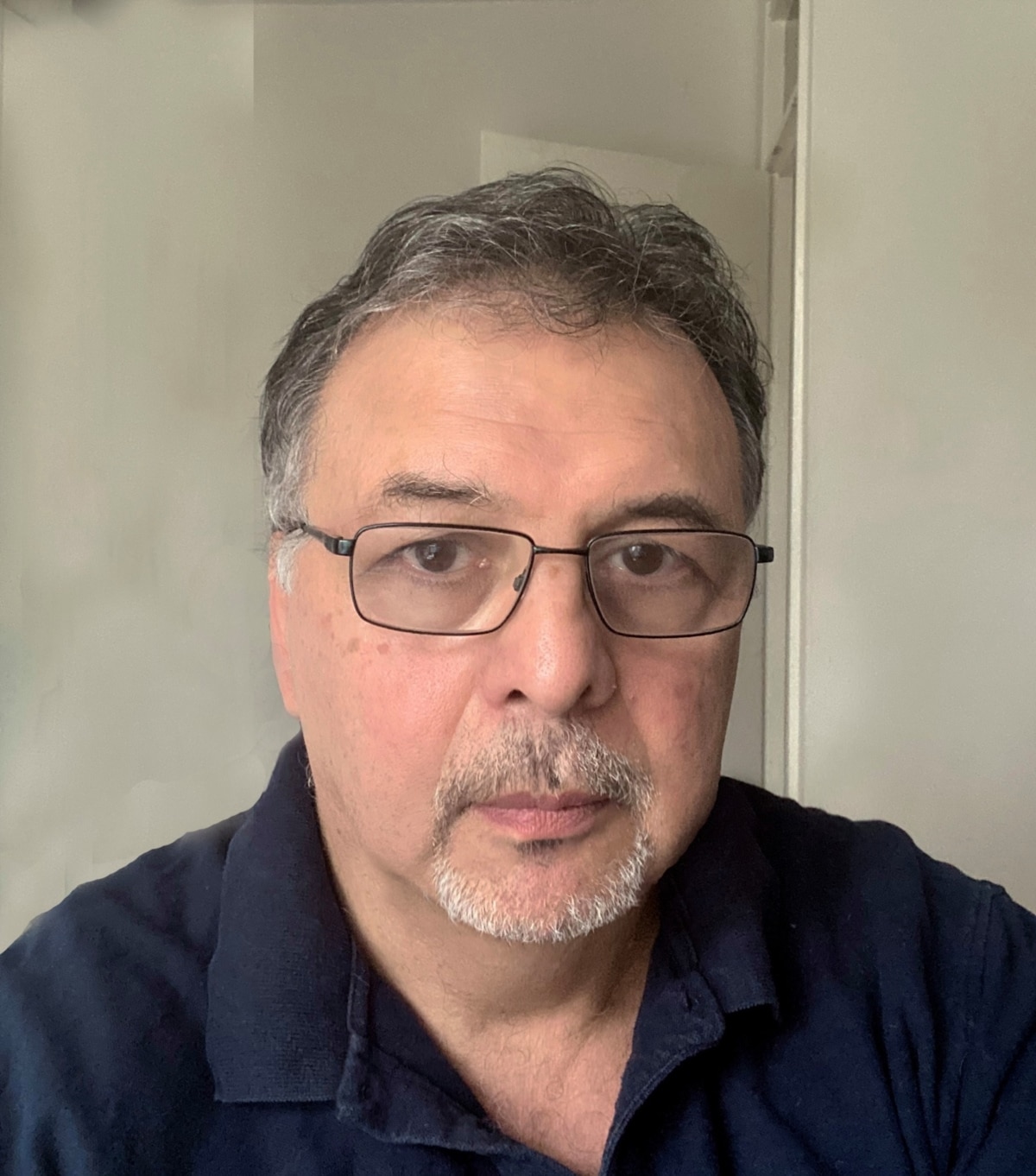
Ilkhamov said the Kremlin's initiative represents a mix of political pressure and financial incentives. He added that both Central Asian states require foreign investment and industrial orders, while Russian defense firms face broken supply chains caused by strikes on domestic factories.
Addressing potential resistance from regional capitals, Ilkhamov stated that while both countries aim to defend their national sovereignty, neither dares ignore Kremlin demands. He noted that Central Asian states remain economically dependent on Russia, partly because their lack of direct access to global maritime trade routes limits investment opportunities and reinforces infrastructure ties to Moscow.
Secondary Sanctions and Geopolitical Risks
Derek Bisaccio, lead military analyst at research group Forecast International, stated that Western sanctions on Russian arms manufacturing and dual-use technologies played a key role in driving the agreement reviews.
Bisaccio pointed to Russia's revision of its military-technical cooperation agreement with Kyrgyzstan in 2025. That protocol simplified procedures for contract preparation, equipment deliveries, repairs, and hardware modernizations. Bishkek ratified the agreement in April 2025 and was subjected to European Union secondary sanctions that same month, prohibiting exports of specified radio equipment and computer numerical control (CNC) machine tools to Kyrgyzstan. Bisaccio suggested Russia may seek similar arrangements with Kazakhstan and Uzbekistan.

Bisaccio stated that establishing defense operations in neighboring states would complicate targeting for Ukraine. He noted that while Kyiv has expanded its operational scope, Ukrainian forces would avoid launching drone strikes on Kazakh territory to prevent severe diplomatic escalation, a factor recognized by Moscow.
However, analysts warn that accommodating Russian defense manufacturing risks exposing Kazakhstan and Uzbekistan to secondary Western sanctions and damaging their expanding diplomatic ties with Western nations.
Regarding market competition, Bisaccio stated that Russia continues to offer military hardware at favorable prices, allowing non-aligned nations like Uzbekistan to acquire equipment cheaply. However, he noted that as Moscow redirected its defense industry to supply its own armed forces during the war in Ukraine, alternative international suppliers moved in to fill the market gaps.
Defense Diversification and Domestic Messaging
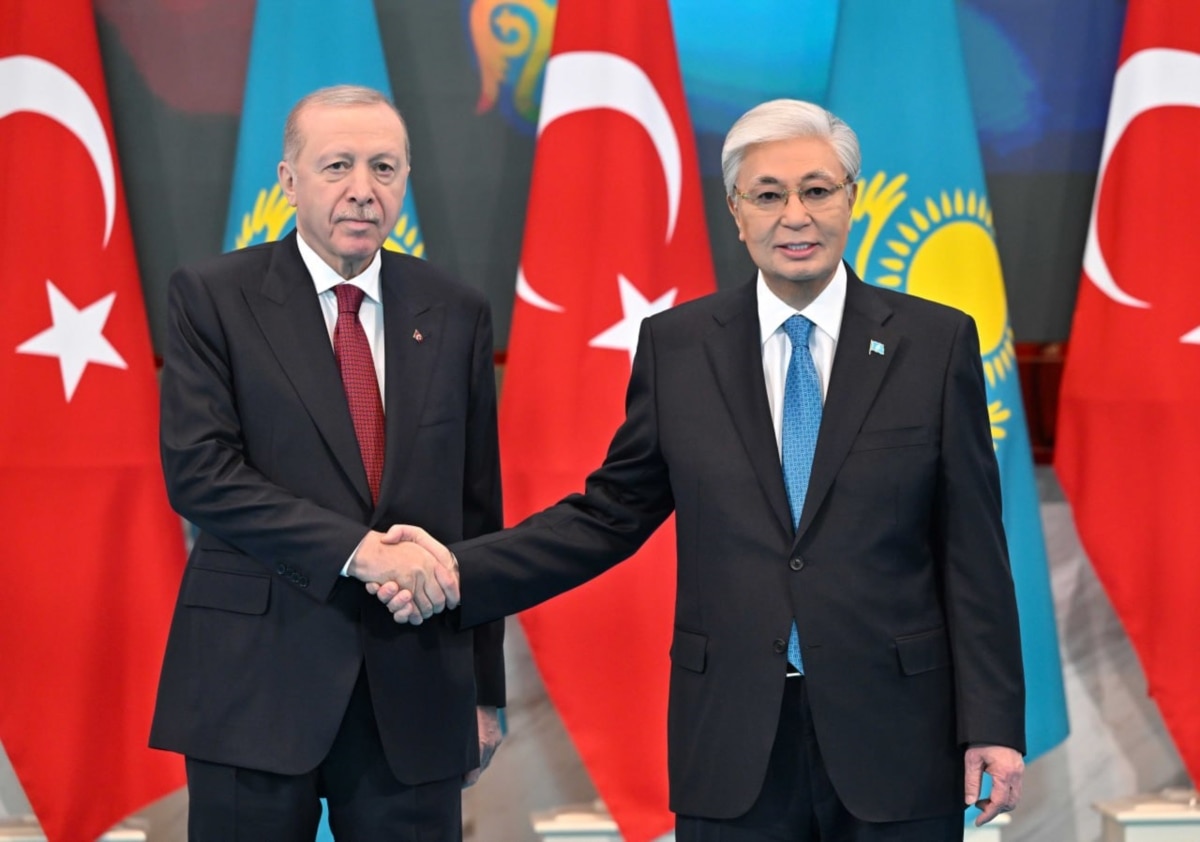
Kazakhstan and Uzbekistan have progressively expanded military cooperation with Western nations, China, and Turkey. Ankara has assisted Uzbekistan with military training and equipment sales, including uncrewed aerial vehicles. Kazakh President Kassym-Jomart Tokayev and Turkish President Recep Tayyip Erdogan also reached an agreement to produce Turkish Anka drones inside Kazakhstan, raising concerns in Moscow over Central Asian ties forged outside Kremlin oversight.
Other experts express skepticism regarding the transfer of Russian defense assets abroad. Oleksiy Alshanskyi, a former Russian military officer and analyst with the Goodbye Arms association of Russian deserters and veterans, dismissed the idea of relocating defense plants to Central Asia.
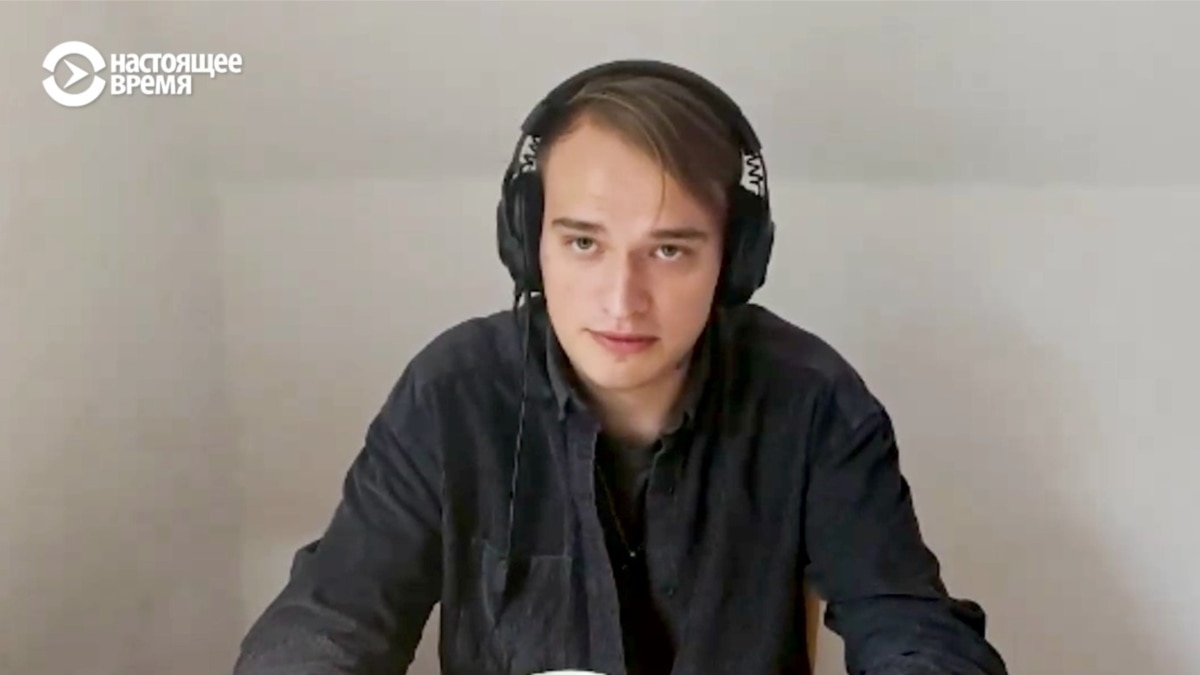
Alshanskyi stated that Russia is more likely to relocate vulnerable defense infrastructure deeper into its own territory, such as Siberia. He described the public attention surrounding the agreement renegotiations as informational noise, adding that Vladimir Putin needed to demonstrate that Russia is not isolated and that its military retains international relevance.
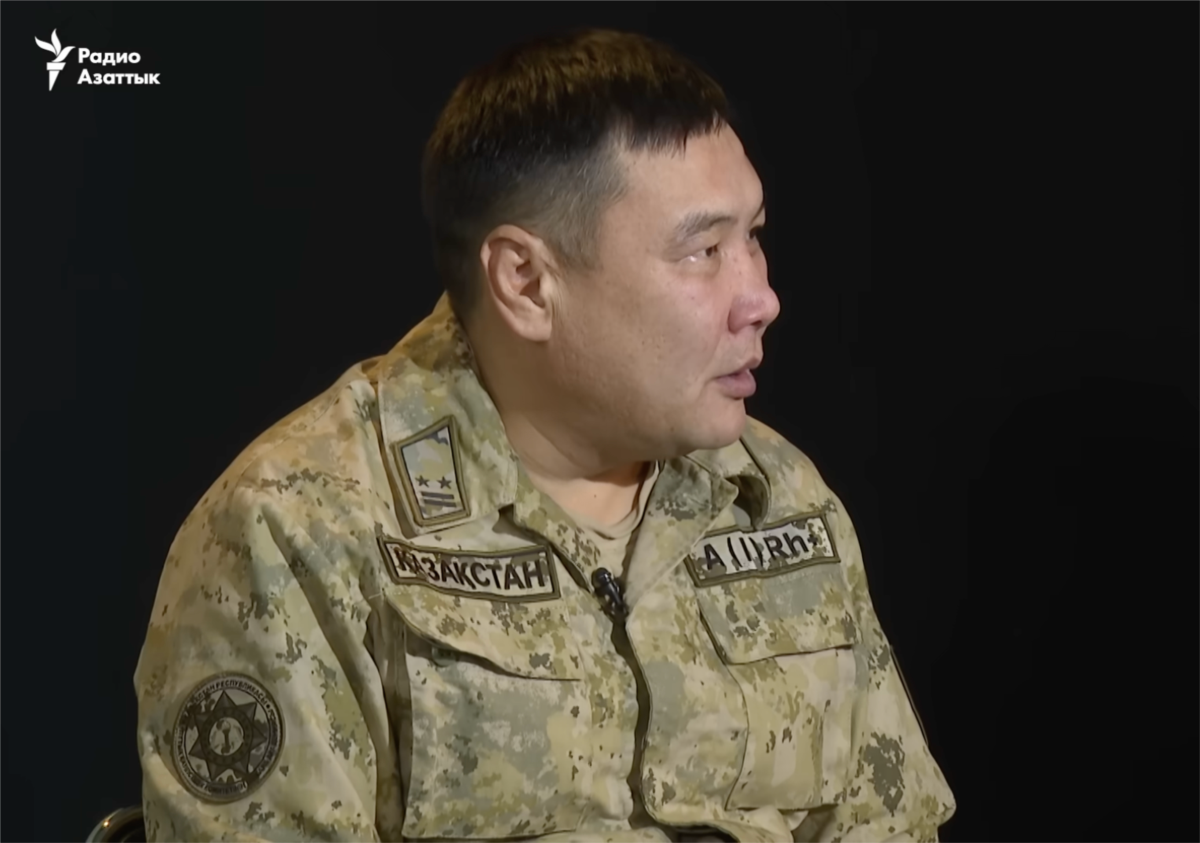
Galymzhan Sadvakasov, a former lieutenant colonel in the Border Service of Kazakhstan's National Security Committee (KNB), argued that revising the defense agreements may be driven more by Central Asian interests. Sadvakasov stated that Russian military technologies lag behind modern warfare requirements, particularly in uncrewed aerial systems.
Sadvakasov noted that while Russia holds technological advantages in hypersonic missiles and fifth-generation aircraft, Moscow will not share those advanced systems. He added that while Kazakhstan remains dependent on Russia for armored vehicle components, tanks and conventional artillery play supporting roles in modern combat. Sadvakasov expressed the view that the initiative to reduce arms deliveries from Russia originates primarily from Central Asian capitals seeking to diversify their defense procurement.
Future Geopolitical Balancing
The exact modifications sought by Moscow, Astana, and Tashkent remain undisclosed as formal negotiations continue. Whether the revised agreements focus on defense relocation, sanctions circumvention, or procurement diversification, Kazakhstan and Uzbekistan remain compelled to navigate complex diplomatic balancing acts between historical ties to Russia and expanding international partnerships.