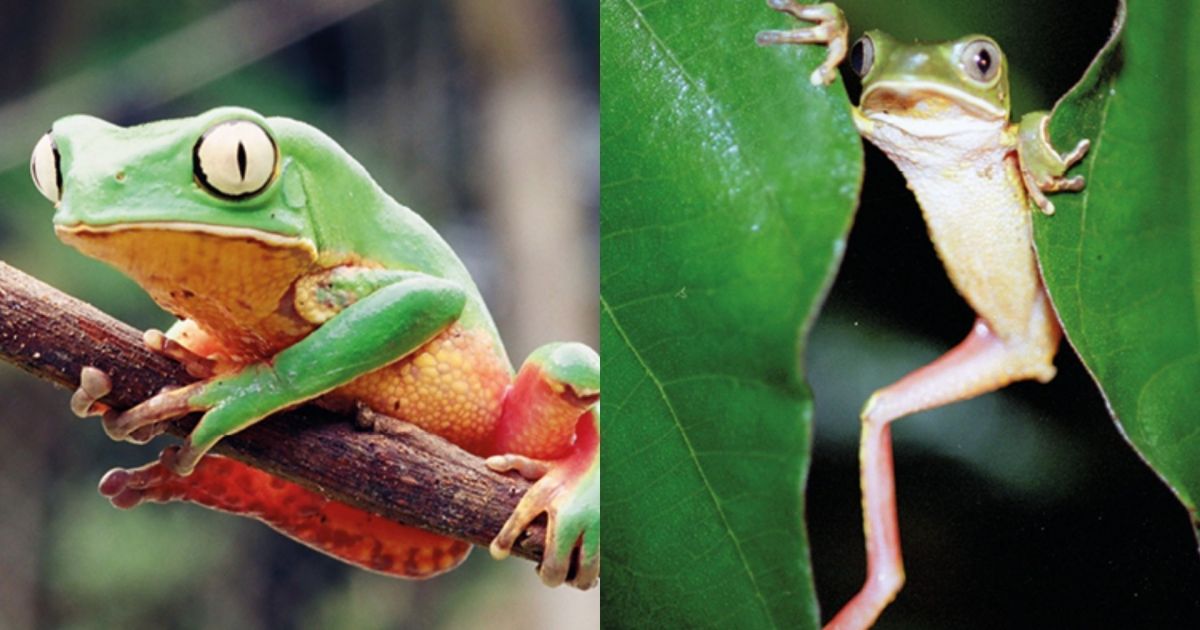
Brazilian tree frog populations are experiencing a severe decline in reproduction linked to ranavirus infections, according to a study by scientists at the State University of Campinas and the Federal University of Paraná.
The research, published in the scientific journal Biodiversity and Conservation, was conducted by team members from both public institutions. Their study documented multiple mass mortality events occurring between 2024 and 2026 inside a protected Conservation Unit in Santa Catarina, a state located in southern Brazil.
The mortality events specifically affected tadpoles of two native tree frog species, Phyllomedusa distincta, commonly known as the monkey tree frog, and Boana bischoffi. Both species are nocturnal, feature greenish coloration, and are endemic to the Atlantic Forest, a biodiverse tropical rainforest biome spanning Brazil's eastern coastline.
Severe reproductive drop and viral transmission
Researchers found that ranavirus infections coincided with a drop of more than 80 percent in reproductive performance among the local frog populations. This steep decline caused a sharp reduction in the number of new individuals entering the local population, creating a scenario typical of an epidemic outbreak.
The analysis demonstrated that the virus reproduces quickly and effectively within host populations. Scientists reported that viral infection rates and overall disease impact depend heavily on environmental context and local climate factors, with transmission occurring through direct contact with contaminated water, animals, or objects.
Ranavirus is an infectious pathogen known to spread rapidly among amphibians, reptiles, and fish, frequently resulting in high mortality rates. While the pathogen affects species worldwide, this study marks the first time ranavirus has been identified as the cause of mass mortality events in native Brazilian species, even within preserved ecological reserves.
Potential link to historical amphibian declines
The study's findings also raise the possibility that ranavirus was linked to historical amphibian disappearances across Brazil. Although almost all documented records of the disease in the country date from the last three decades, Brazil suffered major amphibian species declines during the 1970s and 1980s.